

 Deutsch
Tracheal suctioning is a fundamental skill in respiratory care, used to remove secretions and maintain a clear airway. Performing it correctly helps prevent complications such as hypoxia, trauma, or infection. This guide provides nursing trainees with a clear, step-by-step approach for safe and effective suctioning. 1. Patient Assessment and Preparation Before suctioning, assess the patient carefully: Look for signs of airway obstruction such as coughing, wheezing, increased respiratory rate, or visible secretions. Check oxygen saturation, heart rate, and level of consciousness. Explain the procedure to conscious patients to reduce anxiety. Prepare all necessary equipment: Sterile suction catheter (choose a size not exceeding half the inner diameter of the endotracheal or tracheostomy tube) Suction machine with appropriate pressure: 100–150 mmHg for adults, 80–100 mmHg for children, 60–80 mmHg for infants Sterile gloves, mask, protective drape Sterile saline (if lavage is needed) Wash hands thoroughly and don PPE to maintain a sterile technique. 2. Performing Suctioning Oxygenation (if indicated): Provide 100% oxygen for 30–60 seconds for patients at risk of desaturation. Insert the catheter gently: Advance the catheter without suction. Avoid forcing it against resistance. Insert only as deep as needed to reach the secretion (usually 2–3 cm beyond the end of the airway tube for adults). Apply suction while withdrawing: Cover the suction port with your thumb and withdraw slowly, rotating the catheter to remove secretions evenly. Limit each suction pass to 10–15 seconds. Monitor patient response: Watch oxygen saturation and vital signs continuously. Wait 30–60 seconds between passes to allow recovery. Repeat suctioning only if secretions persist. 3. Post-Procedure Care After suctioning: Ensure the patient is comfortable and breathing normally. Clear secretions from the catheter and tubing. Dispose of single-use items safely. Document the procedure: include the frequency, amount, color, and consistency of secretions, as well as patient tolerance and any complications. 4. Key Safety Tips Always maintain sterile technique to prevent infection. Monitor vital signs continuously during suctioning. Limit suction duration and number of passes to avoid trauma. Choose the correct catheter size to balance efficacy and patient safety. Provide oxygen as needed, especially if the patient shows desaturation. Avoid deep insertion to prevent airway injury. Tracheal suctioning is a routine yet delicate procedure. By following this step-by-step guide, nursing trainees can perform suctioning safely, minimize complications, and ensure patient comfort. Regular practice, supervision, and adherence to clinical guidelines help build competence and confidence in airway management.
View More +-
03 Sep 2025
-
26 Sep 2025
For clinicians or medics, time is money. A soft suction catheter often meets their demands. But every part of this simple-looking tube is carefully made to ensure safety and performance. Knowing how the pieces work helps hospitals, pharmacies, and military teams choose better devices and avoid problems during airway care. Clear Transparent Tube The main body of the soft suction catheter is a transparent PVC tube. That clarity isn't just cosmetic—it lets clinicians see secretions as they're suctioned out in real time. In the ICU, nurses often rely on that visibility to monitor whether they're pulling out thin mucus, thick plugs, or blood-tinged fluid. Each tells a different story about the patient's condition. Combat medics have similar needs: if they suction frothy pink fluid, that's a red flag for pulmonary injury. Without transparency, they'd be forced to guess and potentially miss critical signs. Some models come frosted for better grip when gloves are sweaty or contaminated. However, transparency remains the gold standard when confirmation and decision-making matter most. In one study, respiratory therapists rated transparent tubing 25% higher for “diagnostic value” than frosted tubes during suction procedures. Made of Non-Toxic Medical Grade PVC The tubing is made of non-toxic medical-grade PVC—strong enough to withstand high negative pressure, yet flexible enough to pass smoothly through nasal or tracheal passages. High-quality catheters are DEHP-free, minimizing toxic exposure for neonates, oncology patients, and others with weakened systems. Flexibility is key. The catheter must bend without collapsing. During training drills with cheaper brands, tubes with wall thickness under 0.8 mm were found to kink in up to 15% of trials, cutting suction flow. A kink at the wrong time can extend airway obstruction by precious seconds. Reliable PVC prevents collapse, giving clinicians confidence even under continuous suction. The smooth inner surface of good PVC also reduces drag. That means secretions pass through without sticking and clogging, lowering the frequency of catheter changes—a detail that saves both time and cost in busy wards. Lateral Eye Ensure Smooth and Safe Suction At the distal tip, most catheters include one or two lateral eyes (small side holes). These aren't a minor design tweak—they prevent the tip from “vacuum-locking” against tissue. If the tip presses onto the tracheal wall, suction still flows through the lateral eye. This feature is particularly critical in pediatrics, where delicate mucosa can be easily traumatized. Smaller lateral eyes distribute suction force more evenly, reducing the chance of tissue injury. Field medics value multiple eyes for a different reason: they keep suction effective even if the main tip clogs with clotted blood or debris. Case in point: during a mass-casualty training, medics using single-tip catheters experienced a 20% higher rate of suction interruption compared to those using double-eye designs. That extra redundancy makes a big difference under pressure. Color Coding Helps Fast Size Identification Every suction catheter comes in different French sizes, and color coding at the connector hub provides instant identification. This is not just marketing—it's a frontline safety tool. In an emergency, a respiratory therapist or nurse can grab a size 14 Fr in seconds just by spotting the orange connector. That quick match reduces errors and speeds up response. In neonatal ICUs, picking the wrong size can cause trauma or inadequate suction. In trauma bays, delays of even 30 seconds while checking labels can matter. Military medics often highlight this feature in after-action reviews: in dim light, they may not be able to read tiny size markings, but they can still recognize color-coded hubs by touch and faint visibility. This design standard was adopted globally after studies showed color coding reduced size-selection errors by up to 40%. Secure Funnel Connector At the proximal end, the wide funnel connector anchors the catheter to suction tubing. This connection has to be airtight—any leak reduces negative pressure and lowers suction efficiency. A poorly fitting connector can reduce suction by 10–15%, which translates into longer procedure time. In hospital trials, loose connections extended average suction duration from 12 seconds to nearly 20 seconds per pass. Multiply that across dozens of patients, and it's a serious efficiency drain. In field settings, the funnel design makes a difference in speed: medics can connect and disconnect quickly while moving between casualties. Unlike slip-fit designs, the funnel is less likely to disconnect accidentally when equipment gets tugged or jostled. That stability is why many emergency kits specify funnel connectors over alternative designs. Why These Parts Work Together Each piece—tube, PVC material, lateral eyes, color code, funnel connector—works as a system. A transparent tube without a safe tip is risky. A good tip without a tight connector won't hold suction. That's why buyers at hospitals and pharmacies look at these details before placing orders. And for medics in high-stress environments, those design choices are the reason the device works when seconds count. Conclusion Getting to know the structure of a soft suction catheter enables buyers and clinicians to use it correctly. BEVER Medical each design choice improves safety, speed, and patient comfort. If your organization needs an FDA- and CE-certified Suction Catheter, BEVER Medical delivers OEM-ready solutions trusted by hospitals, pharmacies, and field medics worldwide. Contact us today and secure a reliable supply for your team.
View More +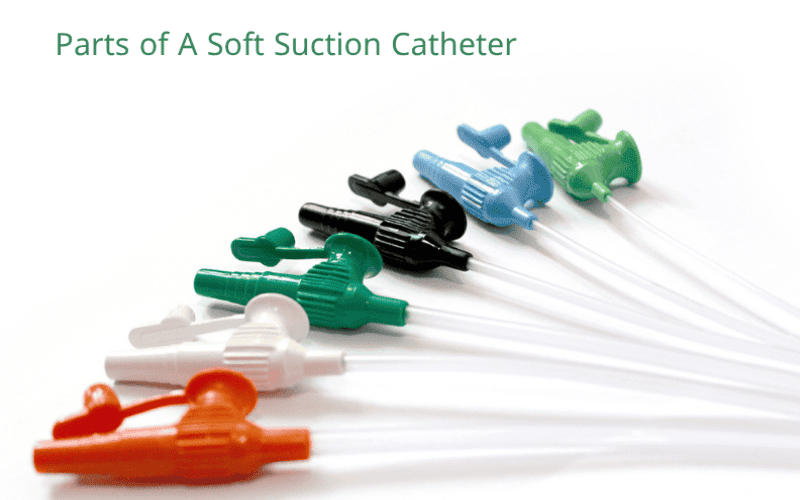
-
22 Oct 2025
A patient gasps for air. A newborn's first breath is hindered by fluid. In these critical moments, the airway is everything. The difference between a clear passage and a compromised one often comes down to a single, vital tool: the suction catheter. This is not a one-size-fits-all instrument. The wrong choice can mean wasted seconds, mucosal trauma, or ineffective clearing. For clinicians navigating the high-stakes environments from the delivery room to the emergency department, selecting the correct catheter is a basic and important skill. The Delivery Room, ER, and Beyond: Choosing the Right Suction Catheter Delivery Room – Newborn Airway Newborns need gentle suctioning. Here, a whistle tip suction catheter is ideal. Its rounded, smooth tip allows effective clearance of meconium or secretions without damaging delicate nasal and oral mucosa. Size selection (5F - 8F) is still important to maintain normal tidal volume and avoid hypoxia. Size matters: Choose a catheter no wider than half the internal diameter of the endotracheal tube or the infant’s nares. Too large and you risk airway obstruction or hypoxia. Material matters: Soft, non-toxic PVC with a rounded tip and multiple side holes spreads out pressure and reduces mucosal trauma. How to Use: Suction only while withdrawing the catheter, keeping the procedure brief—under 5 seconds. Pre-oxygenate if possible. The goal is clearing the oropharynx and tube to help the baby take that first critical breath. Takeaway: For neonatal airways, precision and gentleness matter most. A whistle tip suction catheter ensures safe, effective airway clearance. Hospital Ward / ICU – Ventilated or Chronic Patients Patients on ventilators often require routine suctioning to prevent pneumonia. Using a suction catheter with chimney valve allows you to suction without disconnecting the ventilator, maintaining PEEP and protecting staff from aerosolized secretions. It's perfect for closed suction systems (14F–16F) and keeps the procedure efficient and safe. For non-intubated patients: A flexible 14F catheter through the nares (nasopharyngeal suction) works well. Lubricate, choose the right length, and focus on comfort while clearing secretions. Takeaway: On the ward or ICU, a suction catheter with chimney valve keeps the procedure safe, efficient, and comfortable for patients. Emergency Room – Rapid, Unpredictable Cases The ER is unpredictable. Trauma patients with blood in the airway, overdoses, or COPD patients with thick sputum all require fast, adaptable suctioning. Your Options: Rigid Yankauer, Flexible Catheters, Coude-Tip Catheters Yankauer: Great for quick, gross suctioning in the oropharynx. Not for deep or endotracheal use, but every ER needs one. Flexible Catheters (12F–18F): Handle deep suctioning in intubated or semi-conscious patients. Strong, kink-resistant shafts and a control vent allow precise, single-handed operation. Coude-tip Catheters: Perfect for difficult anatomy or airway trauma, helping navigate past obstructions. Takeaway: In the ER, having multiple catheter types ready ensures quick, safe, and effective airway management for any patient scenario. What Makes a Catheter High-Quality Choosing the right type is one thing, but the quality of the catheter matters even more. Material & Biocompatibility: Non-toxic, medical-grade, DEHP-free PVC. Tip Design: Rounded or flanged tips reduce mucosal trauma. Dual eyelets help prevent suction injuries. Depth Markings: Essential for safe insertion. Kink Resistance: Catheters must hold their shape under pressure; no kinking allowed in a crisis. Wrapping Up From gently suctioning a newborn to handling a high-adrenaline trauma airway, suction catheters are an extension of the clinician's skill. The right catheter reflects judgment, knowledge, and safety priorities. For distributors or healthcare brands, this precision starts with manufacturing. You need a partner who understands these clinical nuances and can deliver scenario-specific solutions—from soft neonatal catheters to kink-resistant emergency catheters. Looking for a reliable OEM partner? At BEVER Medical, we provide ISO Class 8 cleanroom manufacturing, FDA and CE compliance, and end-to-end services from design to sterile packaging. We specialize in flexible suction catheters and other airway devices to meet the needs of delivery rooms, wards, and emergency rooms. Contact us today to get the right tools for every critical moment.
View More +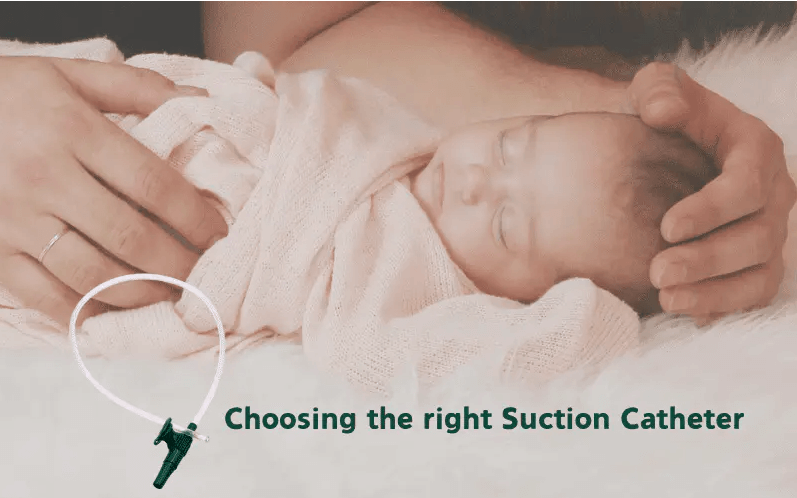
-
29 Oct 2025
Airway management is one of the most critical aspects of patient care in respiratory medicine. Accumulation of secretions can compromise oxygenation, increase the risk of infection, and worsen clinical outcomes. Suction catheters are essential tools for clearing the airway, supporting ventilation, and preventing complications. Understanding when, why, and how to use suction catheters safely is crucial for clinicians, caregivers, and healthcare institutions. Key Clinical Indications for Suction Catheter Use Prevention and Management of Airway Obstruction Patients with excessive mucus, saliva, or impaired cough reflex are at higher risk of airway blockage. Timely suctioning ensures a patent airway, reduces hypoxia, and lowers the risk of aspiration pneumonia. Perioperative and Anesthesia Care During surgery, anesthesia, or sedation, secretions may accumulate due to reduced airway reflexes. Suction catheters help maintain airway patency, facilitating safer ventilation and reducing perioperative complications. Management of Chronic Respiratory Diseases Patients with chronic conditions such as COPD or cystic fibrosis often produce thick, difficult-to-clear secretions. Regular suctioning improves ventilation, eases breathing, and enhances patient comfort. Emergency Situations Acute airway compromise from vomiting, bleeding, or foreign body obstruction requires rapid suctioning. Prompt removal of secretions can be lifesaving in emergency care scenarios. Pediatric and Neonatal Care Infants and children have smaller, more delicate airways. Selecting the correct catheter size and applying gentle suction techniques are essential to avoid trauma or hypoxia. Patients with Artificial Airways Intubated or tracheostomized patients require frequent airway clearance. Effective suctioning prevents tube obstruction, ventilator-associated complications, and ensures adequate oxygenation. Post-Trauma or Post-Surgical Care Suctioning is often needed after surgery or airway trauma to remove blood, secretions, or edema, maintaining airway patency and supporting recovery. Principles for Safe Suctioning Assessment of Patient NeedsSuctioning should be performed based on clinical indications rather than routine schedules. Assess oxygen saturation, respiratory effort, and secretion volume to determine the need. Catheter SelectionThe external diameter of the suction catheter should be less than 50% of the airway tube’s internal diameter. Using an appropriately sized catheter reduces airway trauma and ensures effective secretion removal. Suction Pressure SettingsExcessive suction pressure can damage the mucosa and induce hypoxia. Recommended pressures generally range from 80–120 mmHg for adults, and lower values for pediatric or neonatal patients. Technique and DurationInsert the catheter carefully, withdraw while applying suction, and limit each pass to 10–15 seconds. Continuous monitoring of vital signs is essential to ensure patient safety. Open vs. Closed SystemsOpen suctioning may require disconnection from a ventilator, whereas closed systems allow continuous ventilation and reduce infection risk. The choice depends on patient condition, ventilation support, and infection control requirements. Monitoring and DocumentationDocument every suctioning event, including catheter size, number of passes, characteristics of secretions, and patient response. This ensures continuity of care and helps optimize suctioning protocols. Translating Knowledge into Practice A structured approach bridges theory and practice: Assess the patient's airway, oxygenation status, and secretion characteristics. Select an appropriate catheter and system type. Prepare and execute suctioning with proper technique, monitoring, and pre-oxygenation if needed. Evaluate the effectiveness of suctioning, adjusting technique or frequency as necessary. Document outcomes to guide future care and ensure compliance with clinical protocols. This workflow minimizes complications, improves efficiency, and ensures safe, effective airway management across patient populations. Why Choose BEVER Medical BEVER Medical provides a full range of suction catheters designed for adult, pediatric, and neonatal care. Their products combine safety, clinical effectiveness, and patient comfort. Advantages include: Wide Product Selection: Multiple sizes, materials, and configurations for different clinical needs. Quality and Compliance: ISO 13485 and CE certifications ensure adherence to international standards. Educational Support: Usage instructions, guidelines, and training resources facilitate proper clinical application. End-to-End Solutions: From selection and supply to training and after-sales support, BEVER Medical ensures optimized airway management and patient safety. By integrating evidence-based suctioning practices with high-quality products from BEVER Medical, healthcare providers can achieve safer, more effective respiratory care and better patient outcomes.
View More +
-
14 Nov 2025
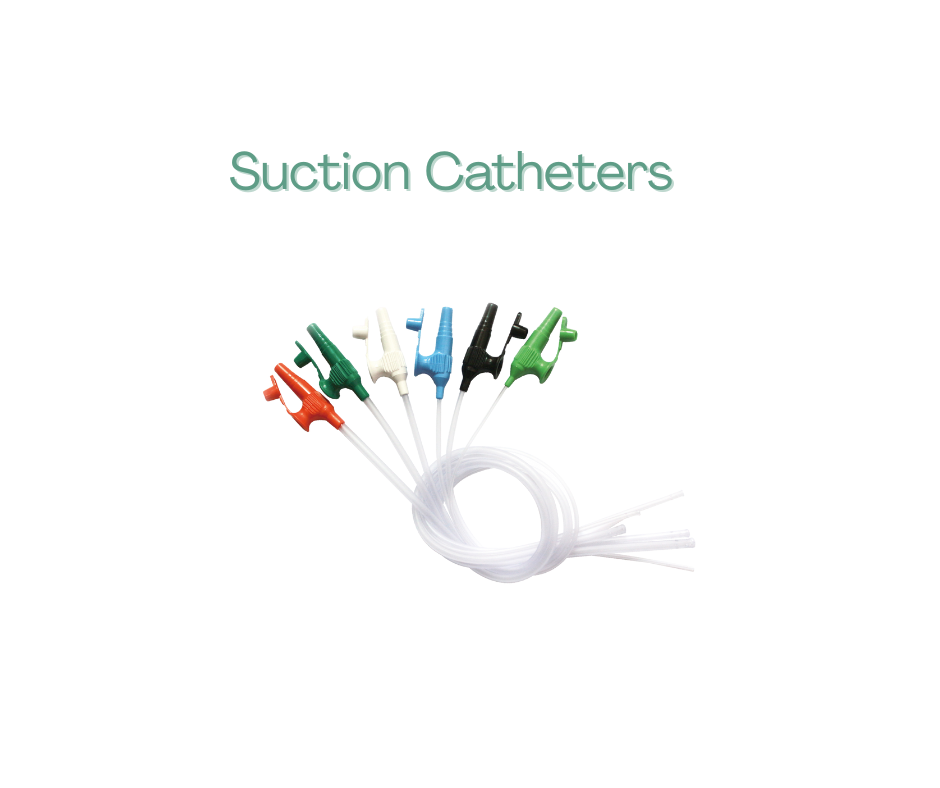
Airway suctioning is a critical procedure used across hospitals, clinics, and home-care settings to remove secretions and maintain airway patency. In recent years, sterile soft suction catheters have gained increasing attention due to their ability to improve patient comfort while maintaining strict infection-control standards. This guide provides an evidence-based overview of the materials, design features, and clinical use cases of soft suction catheters, grounded in recommendations from the CDC, WHO, and the American Association for Respiratory Care (AARC). 1. What Is a Soft Suction Catheter? A soft suction catheter is a flexible, sterile device used to clear airway secretions through the nasal/oral route or via endotracheal and tracheostomy tubes. Compared with traditional firmer catheters, soft suction catheters are designed to: Reduce mucosal trauma Minimize patient discomfort Improve maneuverability in delicate airway structures Provide safer suctioning for infants and pediatric patients AARC guidelines emphasize choosing the least traumatic catheter possible to reduce airway irritation and bleeding — one of the main reasons soft catheters are becoming the preferred choice in modern respiratory care. 2. Materials: What Makes a Soft Catheter “Soft”? Medical-Grade PVC (Polyvinyl Chloride) Most soft suction catheters are made from DEHP-free medical-grade PVC. By adjusting the durometer (hardness level), manufacturers can produce a softer, more flexible catheter that maintains structural stability. Benefits include: Smooth passage through nasal/oral pathways Reduced friction-related irritation Lower risk of micro-abrasions Silicone-Enhanced PVC or TPE (Thermoplastic Elastomers) Some advanced designs incorporate silicone-enhanced blends or TPE for even greater softness. These materials are ideal for: Pediatric and neonatal suctioning Frequent or long-duration suction procedures Patients with inflamed or sensitive airway mucosa Clinical relevance: Research in airway management consistently shows that softer catheters reduce airway trauma, coughing, and bleeding — all critical in ICU, anesthesia, and emergency care environments. 3. Key Design Features of High-Quality Soft Suction Catheters 1) Atraumatic Rounded Distal Tip CDC and AARC guidelines emphasize using atraumatic tips to minimize epithelial injury. High-quality soft catheters feature: Smooth, rounded tips Polished edges Consistent diameter control 2) Multi-Eye (Multiple Side Holes) Design Multiple side holes improve suction efficiency and minimize blockage. They also help distribute negative pressure more evenly, reducing local tissue damage. 3) Color-Coded Connectors (ISO Standard) Color coding enables quick identification of French size — crucial in emergency and ICU settings. 4) Sterile, Single-Use Packaging WHO infection-control guidance clearly states that suction catheters must be single-use to prevent cross-contamination and ventilator-associated pneumonia (VAP). 5) Optional Thumb Control Valve Control valves allow clinicians to apply intermittent suction, reducing hypoxia and mucosal trauma. 4. Evidence-Based Clinical Use Cases A. Tracheostomy Suctioning Soft catheters reduce trauma, coughing, and bronchospasm, making them ideal for routine tracheostomy care. B. Endotracheal Tube Suctioning (Ventilated Patients) Soft catheters minimize irritation around the ETT tip and reduce the risk of ventilator-associated complications. C. Oral & Nasopharyngeal Suctioning Because soft catheters reduce discomfort and gag reflex, they are commonly used in: Emergency airway management Anesthesia Home-care for neurological patients D. Neonatal & Pediatric Applications Neonatal guidelines emphasize using the softest possible devices to avoid airway trauma. Soft suction catheters provide gentle, reliable suctioning for smaller, more sensitive airways. E. Home-Care & Long-Term Care For chronic patients (ALS, spinal injury, dysphagia), soft catheters enhance comfort and safety while reducing caregiver difficulty. 5.Clinical Criteria for Selecting a Soft Suction Catheter When choosing a sterile soft suction catheter, consider: Correct French size (AARC: no more than half the internal diameter of the airway tube) Flexibility and length based on patient anatomy Material safety (DEHP-free, latex-free, ISO 10993 biocompatibility) Sterility assurance level (SAL 10⁻⁶) Atraumatic tip and multi-eye design Optional thumb-control valve for controlled suctioning About BEVER Medical BEVER Medical is a trusted global manufacturer specializing in sterile suction catheters, respiratory consumables, and continence-care solutions. All products are developed and produced under ISO 13485-certified quality systems, with compliance to CE and FDA regulatory requirements. BEVER Medical's soft suction catheters are made from DEHP-free medical-grade PVC, processed in controlled cleanroom environments, and validated to a Sterility Assurance Level of 10⁻⁶. Every catheter is designed for optimal comfort and clinical performance, featuring: Smooth atraumatic tips Multi-eye suction designs Color-coded connectors Optional thumb-control valves Sterile single-use packaging With proven OEM capabilities, BEVER Medical supports distributors, hospitals, and private-label brands with reliable supply chains, regulatory documentation, and customizable product specifications. From raw material selection to final packaging, BEVER is committed to advancing safer, more comfortable, and more efficient respiratory care solutions worldwide.
View More +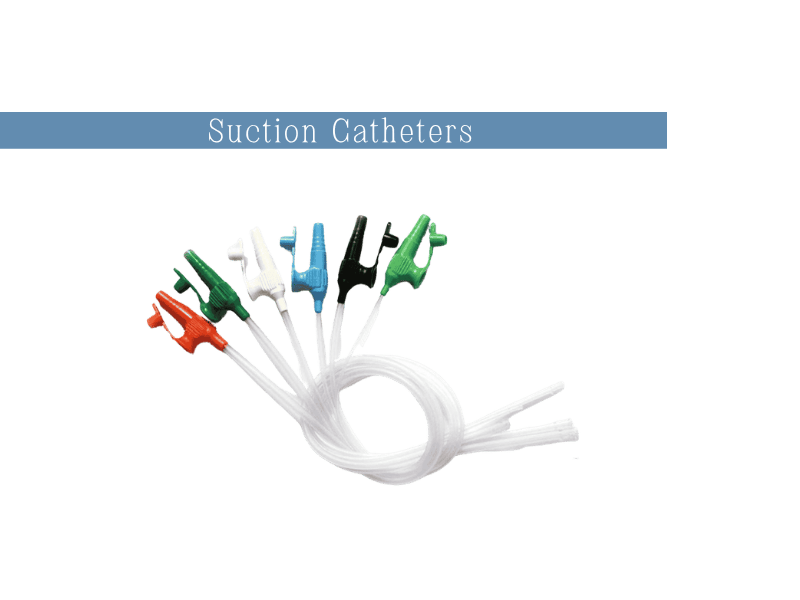
-
08 Dec 2025
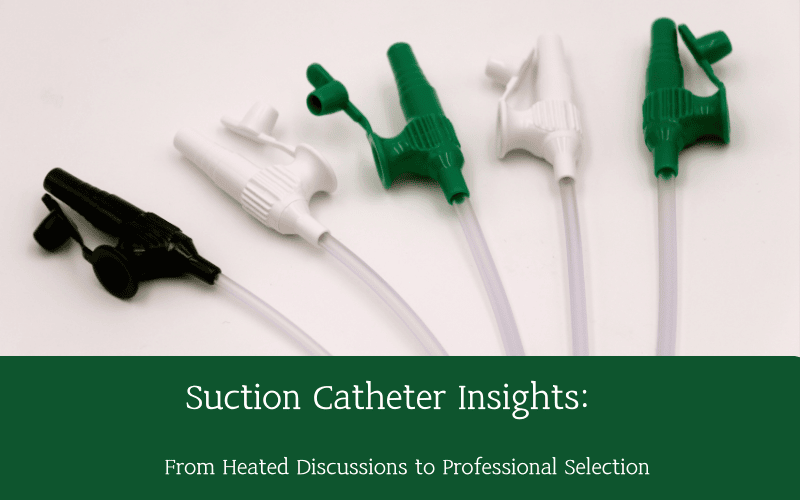
Recently on Reddit, several posts about suction catheters have sparked intense discussions. Questions such as “How deep should a suction catheter be inserted?” and “Which is safer and more effective: closed or open suction?” have drawn numerous healthcare professionals sharing experiences and differing opinions. These discussions are particularly heated because suctioning is not merely a routine task,it involves patient safety, operator skill, and device selection, all of which directly affect clinical outcomes. With the increasing number of patients requiring tracheostomy care or mechanical ventilation, understanding the nuances of suction catheter selection and use has never been more critical. Why the Discussions Are So Heated Although suctioning may appear straightforward, the reality is more complex. Different approaches carry distinct risks: Patient Safety: Deep suctioning can thoroughly clear secretions but may damage the tracheal mucosa, trigger bradycardia, or cause hypoxia. Shallow suctioning is safer but may leave residual secretions, increasing the risk of infection or airway obstruction. Operator Variability: Nurses, respiratory therapists, and speech-language pathologists may have differing training levels, experience, and scopes of practice. This variability can influence technique, suction depth, and catheter handling. Device Differences: The choice between closed and open suction systems, along with variations in catheter material and design, significantly affects suction efficiency, patient comfort, and procedural safety. These overlapping factors explain why suction catheters generate such passionate debate in professional communities. Many healthcare workers share personal experiences, highlighting complications, success stories, and tips, which contributes to the richness and intensity of the discussion. The Function and Purpose of Suction Catheters Suction catheters are essential tools in airway management. Their primary purpose is to remove airway secretions, maintain a clear airway, and prevent pulmonary complications such as atelectasis or ventilator-associated pneumonia. Proper use can also reduce patient discomfort and improve oxygenation. Common scenarios for suction catheter use include: Airway management in ICU or intubated patients: Ensures ventilator efficacy and prevents secretion buildup. Daily care for long-term tracheostomy patients: Helps maintain airway patency and prevents infection. Supporting patients with thick secretions or weak cough reflex: Provides mechanical assistance to clear secretions that patients cannot remove independently. By clearly understanding the catheter's function, clinicians can make informed decisions about suction depth, frequency, and technique, improving patient outcomes. Material Matters: Rubber vs. Medical-Grade PVC After understanding suctioning's purpose, the next factor is catheter material, which directly affects performance, safety, and patient comfort: Rubber Catheters: Soft, flexible, and gentle on the airway. Rubber absorbs pressure during suctioning, reducing the risk of trauma, making it ideal for long-term tracheostomy care or patients with fragile airway mucosa. Medical-Grade Plastic (PVC) Catheters: Made from biocompatible, medical-grade PVC, these catheters are rigid and stable, providing consistent suction for thick secretions while minimizing blockages. Medical-grade PVC ensures compliance with clinical safety standards, making it suitable for ICU patients or situations requiring frequent suctioning. Selecting the appropriate material rubber for comfort, medical-grade PVC for efficiency is crucial to balancing patient safety, suction performance, and ease of use. Design Considerations for Effective Suctioning Material alone is not sufficient; catheter design features significantly influence usability and clinical outcomes: Tip Shape: Angled or side-hole tips help distribute suction evenly, reducing trauma to the tracheal wall while enhancing secretion removal. Diameter and Length: Proper sizing ensures smooth insertion, prevents trauma, and matches the patient’s airway and tracheostomy tube. Closed vs. Open Systems: Closed Suction Systems: Allow suctioning without disconnecting ventilators, maintaining continuous ventilation and lowering infection risk. Open Suction Systems: Ideal for rapidly clearing large amounts of secretions or when patients produce highly viscous mucus. Thoughtful design enhances patient safety, improves suction efficiency, and reduces procedural complications, particularly in high-risk or ICU settings. Best Practices for Safe and Effective Suctioning To maximize patient safety and efficiency, clinicians should follow these evidence-based best practices: Assess the patient before suctioning: Check vital signs, oxygen saturation,and airway condition. Determine appropriate suction depth and duration: Avoid excessive insertion or prolonged suction, which can cause trauma or hypoxia. Choose the right catheter material and design: Consider patient condition, secretion viscosity, and procedural frequency. Maintain sterile technique: Prevent cross-contamination and hospital-acquired infections. Monitor patient response during and after suctioning: Adjust technique as necessary to ensure comfort and safety. Incorporating these best practices reduces complications and enhances overall care quality. Conclusion and Recommendation Suctioning requires careful decisions regarding depth, material, design, and technique. Based on clinical experience and professional community discussions, best practices include: Tailor suction depth to individual patient conditions Select materials that balance comfort and safety, such as rubber or medical-grade PVC Use well-designed catheters with optimized tips and proper sizing for smooth, effective suction Among available options, BEVER Medical suction catheters provide professional-grade advantages: Soft rubber material: Reduces airway irritation and enhances comfort Medical-grade PVC options: Ensure safety and stability for high-demand clinical scenarios Optimized tip and tube design: Improves suction efficiency and operational ease Closed and open system compatibility: Adaptable to various clinical needs For healthcare professionals seeking safe, efficient, and patient-friendly airway management, BEVER Medical suction catheters are a reliable, high-quality choice.
View More +