


 Deutsch
Call Us
TEl: +86-13148388090
Fax:+86-571-88616515

Airway management is one of the most critical aspects of patient care in respiratory medicine. Accumulation of secretions can compromise oxygenation, increase the risk of infection, and worsen clinical outcomes. Suction catheters are essential tools for clearing the airway, supporting ventilation, and preventing complications. Understanding when, why, and how to use suction catheters safely is crucial for clinicians, caregivers, and healthcare institutions.

Prevention and Management of Airway Obstruction
Patients with excessive mucus, saliva, or impaired cough reflex are at higher risk of airway blockage. Timely suctioning ensures a patent airway, reduces hypoxia, and lowers the risk of aspiration pneumonia.
Perioperative and Anesthesia Care
During surgery, anesthesia, or sedation, secretions may accumulate due to reduced airway reflexes. Suction catheters help maintain airway patency, facilitating safer ventilation and reducing perioperative complications.
Management of Chronic Respiratory Diseases
Patients with chronic conditions such as COPD or cystic fibrosis often produce thick, difficult-to-clear secretions. Regular suctioning improves ventilation, eases breathing, and enhances patient comfort.
Emergency Situations
Acute airway compromise from vomiting, bleeding, or foreign body obstruction requires rapid suctioning. Prompt removal of secretions can be lifesaving in emergency care scenarios.
Pediatric and Neonatal Care
Infants and children have smaller, more delicate airways. Selecting the correct catheter size and applying gentle suction techniques are essential to avoid trauma or hypoxia.
Patients with Artificial Airways
Intubated or tracheostomized patients require frequent airway clearance. Effective suctioning prevents tube obstruction, ventilator-associated complications, and ensures adequate oxygenation.
Post-Trauma or Post-Surgical Care
Suctioning is often needed after surgery or airway trauma to remove blood, secretions, or edema, maintaining airway patency and supporting recovery.
Assessment of Patient Needs
Suctioning should be performed based on clinical indications rather than routine schedules. Assess oxygen saturation, respiratory effort, and secretion volume to determine the need.
Catheter Selection
The external diameter of the suction catheter should be less than 50% of the airway tube’s internal diameter. Using an appropriately sized catheter reduces airway trauma and ensures effective secretion removal.
Suction Pressure Settings
Excessive suction pressure can damage the mucosa and induce hypoxia. Recommended pressures generally range from 80–120 mmHg for adults, and lower values for pediatric or neonatal patients.
Technique and Duration
Insert the catheter carefully, withdraw while applying suction, and limit each pass to 10–15 seconds. Continuous monitoring of vital signs is essential to ensure patient safety.
Open vs. Closed Systems
Open suctioning may require disconnection from a ventilator, whereas closed systems allow continuous ventilation and reduce infection risk. The choice depends on patient condition, ventilation support, and infection control requirements.
Monitoring and Documentation
Document every suctioning event, including catheter size, number of passes, characteristics of secretions, and patient response. This ensures continuity of care and helps optimize suctioning protocols.
A structured approach bridges theory and practice:
Assess the patient's airway, oxygenation status, and secretion characteristics.
Select an appropriate catheter and system type.
Prepare and execute suctioning with proper technique, monitoring, and pre-oxygenation if needed.
Evaluate the effectiveness of suctioning, adjusting technique or frequency as necessary.
Document outcomes to guide future care and ensure compliance with clinical protocols.
This workflow minimizes complications, improves efficiency, and ensures safe, effective airway management across patient populations.
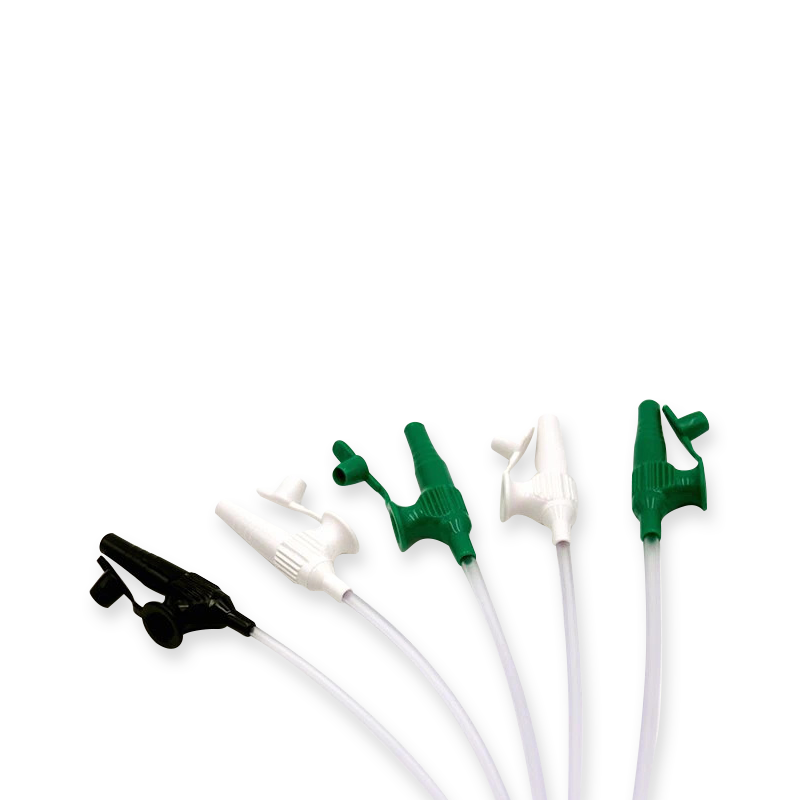
BEVER Medical provides a full range of suction catheters designed for adult, pediatric, and neonatal care. Their products combine safety, clinical effectiveness, and patient comfort. Advantages include:
Wide Product Selection: Multiple sizes, materials, and configurations for different clinical needs.
Quality and Compliance: ISO 13485 and CE certifications ensure adherence to international standards.
Educational Support: Usage instructions, guidelines, and training resources facilitate proper clinical application.
End-to-End Solutions: From selection and supply to training and after-sales support, BEVER Medical ensures optimized airway management and patient safety.
By integrating evidence-based suctioning practices with high-quality products from BEVER Medical, healthcare providers can achieve safer, more effective respiratory care and better patient outcomes.
Copyright © Hangzhou BEVER Medical Devices Co., Ltd.
The information provided on this website is intended for use only in countries and jurisdictions outside of the People's Republic of China.


