

 Deutsch
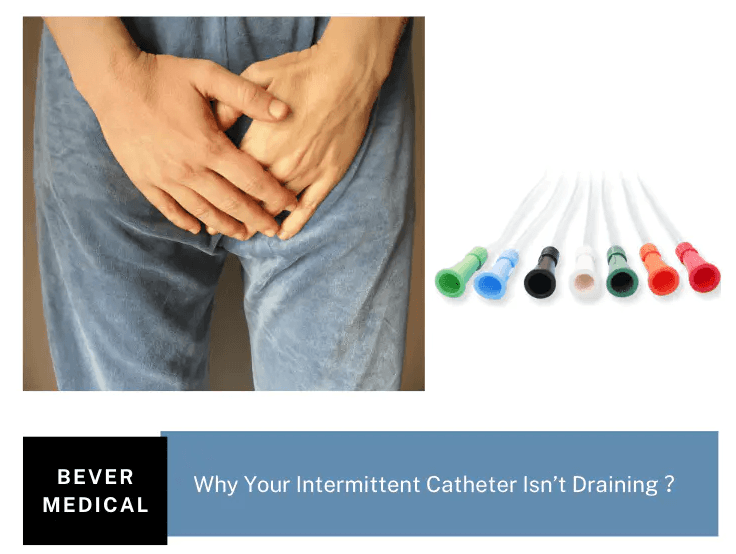
In continence care clinics, one of the most common questions from patients is about failed intermittent catheter drainage. The concern usually appears suddenly—often in the bathroom, when a patient expects urine to flow but nothing happens. The bladder feels full; the catheter appears correctly inserted, yet drainage stops or never begins. Usually, it happens to patients during the first year of self-catheterization. But do not worry: in most cases, the problem is mechanical, behavioral, or anatomical, not a medical emergency. To help ease your concerns, we have compiled a practical troubleshooting guide for your reference. 1. The Catheter Eyelets Don't Reach the Bladder One of the main reasons is incomplete insertion. Urine only enters through the eyelets near the catheter tip. If those holes remain in the urethra rather than inside the bladder, nothing drains. Sometimes, it just advances the catheter 2–3 cm further, and urine begins to flow immediately. The standard catheter visible after insertion for men is around 10 cm (4 in), and for women, 2–3 cm is visible. 2. Lubricating Gel Is Blocking the Eyelets Common for patients who use external lubrication catheters. Gel can temporarily block the tiny drainage holes. Because most lubricants are water-soluble, urine will usually dissolve the obstruction within 30–60 seconds. You or your patients can try to cough. Coughing increases abdominal pressure, helping urine push through the eyelets. If you worry about it, Hydrophilic catheters are a good choice; they reduce this problem significantly. Many clinicians therefore prefer a hydrophilic intermittent catheter for patients performing frequent catheterization. 3. Your Catheter Tube Happens to Kink or Twist You can imagine what will happen when your tube is not on a straight path; yes, it means no urine flow. Think about the reasons: clothing compresses the tube the catheter bends during insertion the user grips the tube too tightly This is especially common in long male catheters (40 cm). 4. Mineral Deposits Blocking the Catheter Eyelets Over time, urinary minerals can form crystalline deposits. Common components include: calcium phosphate magnesium ammonium phosphate uric acid These deposits can partially block eyelets, especially in patients with: chronic urinary retention recurrent UTIs high-mineral urine This is why your single-use catheter manufacturer strongly recommends it in America. Reusing catheters increases the risk of: blockage infection surface damage Medical suppliers often emphasize sterile single-use intermittent catheters to reduce these risks. 5. Incorrect Placement in the Vagina (Women) This mistake occurs more often than many clinicians expect. In female patients, the urethral opening is small and positioned just above the vaginal opening. New catheter users sometimes insert the catheter into the vagina accidentally. If the catheter goes in easily but nothing drains, remove it and try again with new sterile intermittent catheters for women. Never reuse a catheter that has entered the vagina because bacteria may be introduced into the bladder. 6. The Bladder Is Actually Empty It sounds obvious—but it happens frequently. Kidneys produce urine continuously, but not always enough to trigger drainage. Many patients catheterize too early, before the bladder fills. Typical adult bladder capacity is 400–600 mL. Most clinicians recommend catheterizing every 4–6 hours, unless directed otherwise. If the catheter drains only a few drops, the bladder may simply not be full yet. 7. The Catheter Size Is Wrong Catheters are measured in French size (Fr). Knowing these common ranges: Adult women: 10–14 Fr Adult men: 12–16 Fr Children: 6–10 Fr Above are typical sizes for different groups; a catheter that is too narrow may collapse under pressure. One that is too large may irritate the urethra and prevent smooth insertion. Experienced clinicians often adjust catheter size based on urine flow, patient comfort and urethral anatomy. 8. Muscle Tension Prevents Proper Insertion Self-catheterization can cause anxiety. When patients tense their pelvic muscles, the urethral sphincter tightens, making insertion difficult. Urology nurses often teach patients to: Take slow breaths Relax their abdomen Pause if resistance occurs 9. Constipation Is Compressing the Bladder This factor is rarely discussed but extremely important. The rectum sits directly behind the bladder. Severe constipation can: compress the bladder distort the urethra reduce urine flow In rehabilitation centers, clinicians often address constipation before adjusting catheter technique. So, trying dietary fiber and hydration play a critical role here. 10. The “Funnel Effect” of the Bladder A subtle but interesting phenomenon occurs after drainage. The bladder is not a perfectly round balloon. Instead, it has a funnel-shaped base near the urethra. Some urine may remain trapped in lower pockets. Patients sometimes notice that if they withdraw the catheter slightly, more urine dribbles out. Urology specialists sometimes recommend: slowly withdrawing the catheter pausing when additional urine flows This technique helps achieve more complete drainage. Warning Signs That Require Medical Attention Although most drainage problems are minor, certain symptoms should trigger immediate medical evaluation: blood in urine cloudy or foul-smelling urine fever or chills lower back pain severe bladder pressure These may indicate a urinary tract infection (UTI) or catheter blockage. How an Intermittent Catheter Drains Urine Before diagnosing the problem, it helps to know the pathway urine follows. Basic drainage pathway Kidneys → Bladder (stores urine) → Catheter eyelets (small holes near the tip) → Catheter tube → Drainage funnel/bag/toilet For urine to flow properly, we suggest: The eyelets must be inside the bladder The tube must remain unobstructed The bladder must contain urine The patient's muscles must relax When any part of this sequence fails, drainage stops. Final Thoughts When an Intermittent catheter fails to drain, in most cases, the issue relates to insertion depth, catheter positioning, minor blockages, or simple technique adjustments during self-catheterization. A few millimeters of catheter placement can make the difference between frustration and relief. With this article, you can know better about how these factors can transform what initially feels like a stressful or alarming situation into a manageable part of routine bladder care. For clinicians, distributors, and manufacturers alike, patient education remains just as important as advances in catheter technology.
View More +-
18 Mar 2026
-
17 Mar 2026
Intermittent catheters are essential medical devices used to periodically drain urine from the bladder in patients who cannot urinate naturally due to conditions such as neurogenic bladder, spinal cord injury, postoperative urinary retention, or chronic urinary dysfunction. Unlike indwelling catheters, intermittent catheters are inserted for short periods, helping reduce infection risk and improve patient comfort. Among product types, hydrophilic coated catheters have become a dominant and rapidly expanding segment, offering enhanced lubrication and lower urethral trauma compared to uncoated options. This guide aims to provide procurement specialists, healthcare professionals, distributors, and B2B buyers with a comprehensive overview of global market dynamics, product segmentation, key suppliers, and practical selection criteria. 1.Global Market Overview Market Size & Growth According to Strategic Market Research, the global intermittent catheter market was valued at approximately USD 2.45 billion in 2024 and is projected to reach USD 4.32 billion by 2030, growing at a CAGR of around 9.7%. Hydrophilic coated catheters accounted for over 40% of the total market, driven by increasing demand for safer and more comfortable catheterization solutions. Regional Insights North America (~31%): Dominates due to strong reimbursement systems and home healthcare adoption Europe (~27%): High penetration of hydrophilic catheter usage Asia Pacific (~20%): Fastest-growing region due to aging population and improving healthcare access 2. Product Types & Technology Comparison Main Categories Uncoated Catheters – economical, widely used in hospitals Pre-Lubricated Catheters – convenient, ready-to-use Hydrophilic Coated Catheters – low friction, better patient experience Hydrophilic catheters are particularly suitable for long-term self-catheterization users, where comfort and safety are critical. 3. Advantages of Hydrophilic Coated Catheters Lower friction → reduces urethral damage Improved comfort → increases patient compliance Reduced infection risk → supported by clinical trends According to Grand View Research, coated catheter adoption continues to grow due to better clinical outcomes and patient preference. 4. Supplier Evaluation Guidelines When selecting intermittent catheter suppliers, consider: Certifications ISO 13485 FDA clearance CE marking Key Capabilities Product consistency and sterilization quality OEM/ODM customization capability Stable delivery and logistics support 5. Leading Global Suppliers Coloplast Global leader in hydrophilic catheter technology Strong brand recognition and premium positioning Wellspect Healthcare Focus on user-friendly and home-care solutions Strong presence in Europe and North America Hollister Incorporated Known for reliability and clinical trust Balanced portfolio for hospital and home use These companies represent the high-end segment of the global market, while emerging suppliers offer cost-effective alternatives. 6. Market Trends & Future Outlook Shift to Home Healthcare:Increasing number of patients perform self-catheterization Advanced Coating Technologies:Development of antimicrobial and ultra-hydrophilic coatings Emerging Market Growth:Asia-Pacific and Middle East regions show strong expansion potential According to Persistence Market Research, demand will continue to rise due to aging populations and chronic disease prevalence. 7. Conclusion & Strategic Recommendations Hydrophilic coated catheters are becoming the mainstream choice Selecting certified and reliable suppliers is critical Buyers should balance cost, quality, and supply stability For distributors and healthcare providers, combining global brands + cost-effective manufacturers is the optimal procurement strategy. 8. Emerging Supplier to Watch In addition to established global brands, emerging intermittent catheter suppliers and manufacturers are playing an increasingly important role in the market by offering cost-effective and customizable solutions. One notable example is BEVER Medical. Established in 2008 with ISO-standard cleanroom manufacturing facilities Specializes in intermittent catheters, hydrophilic coated catheters, and airway products Offers OEM/ODM customization, private labeling, and scalable production Provides integrated solutions for continence care, respiratory care, and airway management With its combination of competitive pricing, flexible manufacturing, and growing international presence, BEVER Medical is becoming a strong partner for distributors and brands seeking reliable supply and customization capabilities.
View More +
-
18 Feb 2026
People using catheterization for the first time are usually filled with fear; actually, the first time is only to make them feel discomfort. If you feel pain during insertion, this is a signal from your body. The pain may be due to issues with the size, material, or technique used, or it could be a urinary tract infection. There are expert tips in this article that can help you have a pain-free catheterization process. What Cause Intermittent Catheter Pain? Self-catheterizing incorrectly is not the only one reason cause you pain; both the wrong size and the wrong type are the culprits. To catheter right, you should practice more and easier. Besides, ask your healthcare provider for professional advice on the intermittent catheters. Tip 1: Choose the Right Intermittent Catheter Reducing catheter pain involves matching the intermittent catheter to the patient and use case. The wrong size or tough material can cause burning, pressure, or bleeding. Please ask your clinician for the right French size and length for male, female, or pediatric use. If a straight catheter causes too much pain or gets stuck, you may need a different tip. Straight tips are for most standard urethras. And a coudé or curved tip has a slightly curved tip. They help the catheter go around blockages like an enlarged prostate or scar tissue. It is commonly used by men who self-catheterize due to conditions like urinary retention or urinary incontinence, especially when straight tips are difficult to insert. Also, check your French size. This is the diameter of the tube. If the tube is too big, it will stretch your urethra and hurt. Your doctor can help you find the perfect size for your body. Tip2: Use Plenty of Lubrication Friction is a major cause of pain during insertion. If you use a standard uncoated intermittent catheter, you must use lubricating jelly. This jelly helps the tube slide in and out without tugging on your skin. Pay attention, some people need a lot of lubricant, while others need only a little. You can also try other options: Hydrophilic intermittent catheters: These have a special coating that becomes slippery when wet. Pre-lubricated intermittent catheters: When you use them, you don't have to mess with messy gel packets. Tip3: Relax and Take Your Time Even if you're using the best catheters, being nervous and technique will make your muscles tight. Tight muscles make it very hard to insert the catheter. Before you start, take deep breaths to calm your body. Besides, rushing can lead to injuries or bleeding. Find a position that you're comfortable with, such as sitting on the toilet or standing with one leg up. If you feel resistance, stop and try to relax before moving forward. For men, keep the penis gently straight or slightly raised; for women, clear visualization and correct urethral location are key. Importantly, allow the bladder to empty fully before removal and withdraw slowly to avoid spasms and irritation. Nurses report that clear teaching, home‑based training when possible, and time to practice greatly reduce anxiety and perceived catheter pain. Tip 4: Prevent Trauma with Thoughtful Catheter Design Device design can directly lower the risk of puncture, abrasion, and high negative pressure — all common causes of catheter pain. Features that help: Soft, rounded, or flanged tips enlarge the contact area and reduce the chance of puncture in delicate tissue. Smooth, staggered side eyelets improve urine flow and minimize scraping along the urethral wall. Multiple small suction holes instead of one large port can spread the suction force and protect the mucosa in the airway or suction catheters. For example, a suction catheter with a flanged tip and two tiny holes spreads pressure and reduces puncture risk while still clearing secretions. Similar principles apply to urinary catheters used in emergency and military settings, where fast yet safe insertion is critical. Tip 5: Watch for Complications and When to Change Products Persistent catheter pain may mean infection, wrong catheter type, bladder spasms, or urethral injury. You should pay attention to the following signals: New bleeding, strong burning, or sudden sharp pain on insertion or removal. Repeated bladder spasms, leaks around the catheter, or frequent blockage. Recurrent urinary tract infections or fever. In these cases, clinicians may: Adjust the size, length, or tip shape of the intermittent catheter. Switch to a softer material or a different coating. Add medications for bladder spasms or treat infection. For facilities and OEM buyers, this is a strong reason to work with a supplier who offers a full catalog of intermittent catheters and can customize design to patient groups and clinical feedback. Tip 6: Match Products to High‑Risk Settings In emergency rooms, ambulances, and combat care, there is little time, but catheter pain and trauma still matter. Rough insertion under stress can cause long‑term problems. We suggest using robust yet flexible PVC catheters with clear size markings and kink‑resistant shafts. For female patients, having a ready-to-use catheter set for women can further improve efficiency and safety by providing all essential components in a sterile, organized format—helping caregivers work quickly while reducing the risk of contamination. Tip 7: Drink Water and Stay Clean Hygiene is very important. Always wash your hands before touching your medical supplies. Infections like CAUTI (catheter-associated urinary tract infection) are a big reason for pain. For women in particular, using single-use catheters for women can significantly reduce the risk of contamination and infection by eliminating the need for cleaning and reuse. Also, drink plenty of water. Water keeps your urinary system healthy and flushes out bacteria. It also helps prevent irritation and inflammation in your bladder, making catheterization more comfortable. Wrapping Up Don't ignore the pain signals from your body. Through the right intermittent catheter, the insertion technique, and good hygiene habits, you can enjoy using an intermittent catheter. If you're looking for safe and quality catheter solutions, contact your reliable supplier, Bever Medical. We supply intermittent catheters for women and men with OEM services.
View More +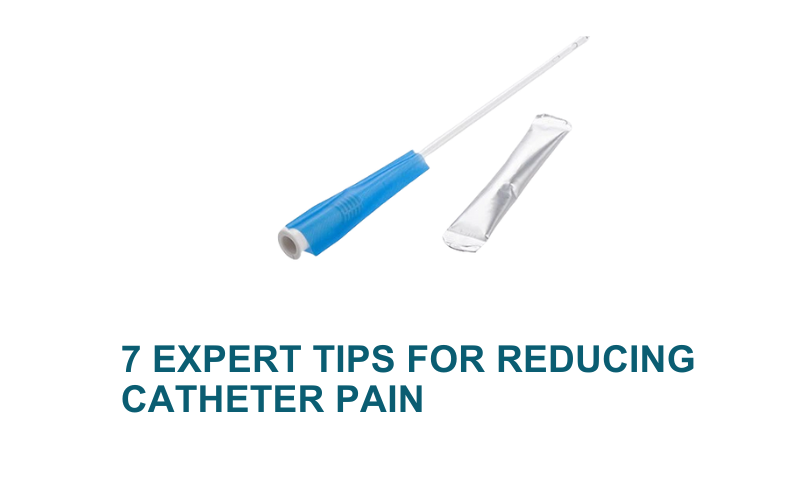
-
11 Feb 2026
Cold temperatures bring challenges to catheter care, it creates conditions that can greatly increase the risk of urinary tract infections (UTIs)for people relying on intermittent catheterization. Dry air, heavier clothing, disrupted routines, and reduced fluid intake all work against good bladder health. However, most winter-related UTI risks are preventable. With the right care strategy, you can protect your urinary health throughout the cold months. Here are 7 practical tips from Bever Medical, helping you navigate winter with comfort. Why Winter Increases UTI Risk for Catheter Users A catheter-associated urinary tract infection (CAUTI) occurs when bacteria enter the urinary tract through the catheter. While intermittent catheters have a lower risk than indwelling catheters, winter conditions can raise that risk due to: Reduced hydration, leading to concentrated urine Dry, cracked skin that allows bacteria to enter Heavy or layered clothing that traps moisture Disrupted hygiene routines during travel or holidays Fewer or delayed catheterization sessions Getting to know these seasonal factors is the first step toward prevention. Tip 1: Stay Hydrated Cold winter always keep people away from water, because cold weather suppresses thirst. However, dehydration is the main reason for users of intermittent catheters for men during the winter months. When fluid intake is low, urine becomes concentrated and remains in the bladder longer, creating an ideal environment for bacteria. So, what to do to lower the risk? Bever Medical, as an experienced single-use catheter manufacturer, suggests: Aim for at least 2 liters per day, unless otherwise directed by your doctor Use reminders or hydration apps to stay consistent Choose warm options like herbal tea, warm lemon water, or low-sodium broth Avoid excessive caffeine and alcohol, which irritate the bladder Pro tip: Pale yellow urine is a good sign of adequate hydration. Tip 2: Don't Delay Catheterization Because of Heavy Clothing Layers of thermals, trousers, and coats can make catheterization feel inconvenient—especially in public restrooms. But delaying your schedule can cause bladder over-distension, urine reflux, and infection. The practical way is: Stick to your catheterization schedule, no matter the season Choose adaptive or easy-access clothing when possible Plan ahead by identifying warm, accessible restrooms when traveling Tip 3: Prioritize Hand Hygiene During Flu Season Winter is the peak season for viruses and bacteria. High-contact surfaces increase the risk of transferring germs to your catheter during insertion. Following these tips helps prevent you from bacterial risks: Wash your hands with warm water and soap for at least 20 seconds. Dry thoroughly using a clean towel Apply fragrance-free moisturizer to prevent cracked skin, which can harbor bacteria Tip 4: Use Single-Use, Sterile Catheters With your immune system already under seasonal stress, winter is not the time to reuse catheters. Single-use catheters significantly reduce the risk of cross-contamination. What to do: Use a new, sterile catheter for every insertion Consider switching to a closed-system catheter if available Dispose of used catheters properly after each use Pro tip: Single-use systems provide an extra layer of protection during high-risk months. Tip 5: Ensure Proper Lubrication to Prevent Micro-Trauma Cold temperatures and indoor heating can dry out mucosal tissue and thicken lubricants. Inadequate lubrication increases friction, causing tiny urethral tears that allow bacteria to enter. You can: Use sufficient, high-quality catheter lubricant Warm lubricant packets in an inner pocket before use Consider hydrophilic-coated catheters for smoother insertion Pro tip: Store lubricating gel catheters or gel packets in an inner pocket before use to bring them to body temperature. Tip 6: Consider Tiemann Catheters if Insertion Becomes Difficult Cold weather can cause muscles to tense, making catheter insertion harder—especially for men with enlarged prostates or urethral narrowing. In such cases, using a Tiemann catheter for men may provide a solution. Before using, please consider these conditions: Never force insertion Speak with your urologist if resistance increases Ask whether Tiemann-tip catheters are appropriate for your needs Note: Please use the right catheter to reduce trauma and infection risk. Tip 7: Support Bladder Health from the Inside Your bladder environment matters. Supporting it nutritionally can help reduce infection risk. Helpful habits: Vitamin C or cranberry supplements (if approved by your doctor) Limit alcohol during holiday gatherings Eat hydrating foods like soups, fruits, and vegetables Final Thoughts Cold winter weather shouldn't be a source of urinary tract infections. When using a catheter, you can safely get through the winter by staying well-hydrated, maintaining good personal hygiene, and using the appropriate catheter. At Bever Medical, our catheter products are dedicated to helping you feel comfortable all year round. For more questions about care and products, please feel free to contact us or check out our blog.
View More +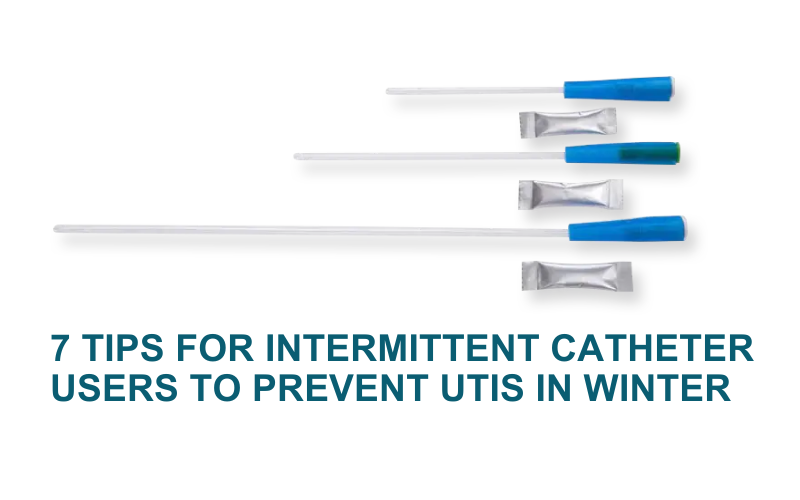
-
06 Jan 2026
Choosing the right intermittent catheter is a critical part of effective bladder management. While intermittent catheterization (IC) is widely recognized as a safer alternative to long-term indwelling catheterization, the clinical benefits of IC depend heavily on selecting the appropriate catheter design, material, and configuration for each use scenario. For healthcare providers, distributors, and procurement professionals, understanding how different catheter features affect safety, comfort, and usability is essential. Understand the Patient and Use Environment The first step in choosing the right intermittent catheter is understanding who will use it and in what setting. Intermittent catheterization is commonly prescribed for patients with neurogenic bladder, postoperative urinary retention, benign prostatic hyperplasia (BPH), or certain congenital urological conditions. Equally important is the care environment. A catheter used in a hospital or rehabilitation center may prioritize standardization and cost efficiency, while home-care users often value ease of use, portability, and discreet packaging. Patients who self-catheterize multiple times a day typically require catheters designed to minimize friction and handling complexity. There is no universal solution effective catheter selection always balances patient needs, clinical goals, and practical use conditions. Select the Appropriate Catheter Size (CH) Catheter size, commonly measured in Charrière (CH), plays a key role in both comfort and drainage efficiency. A catheter that is too large may cause discomfort or urethral irritation, while one that is too small may result in slow drainage or blockage. Most adult intermittent catheter users fall within CH 12 to CH 16, though individual anatomy and clinical guidance should always determine final selection. Pediatric patients require smaller sizes, and consistency in sizing is especially important for long-term users. From a procurement perspective, offering a complete range of CH sizes ensures flexibility and reduces the risk of inappropriate substitution. Choose the Right Material: Medical-Grade PVC Medical-grade PVC remains one of the most widely used materials for intermittent catheters due to its reliability, safety profile, and cost-effectiveness. Advances in material processing allow modern PVC catheters to achieve an optimal balance between flexibility and column strength. This balance is essential: the catheter must be soft enough to reduce discomfort while remaining firm enough to allow controlled insertion. For manufacturers and OEM partners, PVC also offers advantages in scalability, consistent quality, and compatibility with various designs and coatings. Consider Hydrophilic vs. Non-Hydrophilic Catheters Surface lubrication is a key factor in patient comfort and urethral protection. Hydrophilic intermittent catheters feature a coating that becomes highly lubricious when activated, significantly reducing friction during insertion and removal. Hydrophilic catheters are particularly suitable for: Long-term IC users Patients who catheterize multiple times per day Home-care and self-catheterization scenarios Ready-to-use hydrophilic catheters further simplify the process by eliminating the need for additional lubricant, reducing preparation steps and potential handling errors. Non-hydrophilic catheters may still be appropriate in certain institutional settings, especially when external lubrication is standard practice and cost considerations are a priority. Evaluate Tip Design: Straight or Coudé Tip configuration directly affects ease of insertion. Straight-tip catheters are suitable for most standard catheterization procedures and are widely used across healthcare settings. Coudé-tip catheters, with a curved tip design, are often preferred for male patients with anatomical challenges such as urethral narrowing or prostate enlargement. Providing both options allows healthcare professionals to tailor catheter choice to patient anatomy, reducing resistance and improving overall experience. Packaging and Sterility Matter Intermittent catheters are typically single-use, sterile devices. Packaging plays a vital role in maintaining sterility while supporting ease of use. Individually packaged catheters help reduce contamination risk and simplify inventory control in hospitals and clinics. For home-care users, compact and discreet packaging improves portability and confidence, especially for active patients. Clear labeling, consistent packaging formats, and multilingual instructions are also important considerations for international distribution. Regulatory Compliance and Supply Reliability When choosing intermittent catheters for institutional use or market distribution, regulatory compliance is non-negotiable. Products should meet applicable ISO standards and regional regulatory requirements such as CE marking or FDA registration. Equally important is supply reliability. Consistent manufacturing quality, stable lead times, and dependable logistics are essential for long-term catheterization programs, particularly in high-volume or multi-market operations. Conclusion Choosing the right intermittent catheter goes beyond clinical technique it is a product-driven decision shaped by catheter size, material, surface properties, tip design, packaging, and regulatory compliance. When these factors are aligned with patient needs and real-world use environments, intermittent catheterization can deliver safer bladder management, improved comfort, and long-term efficiency. BEVER Medical supports healthcare providers, distributors, and medical device brands with a comprehensive range of intermittent catheter solutions, including medical-grade PVC and hydrophilic ready-to-use options. With a focus on consistent quality, regulatory compliance, and OEM flexibility, BEVER Medical helps partners deliver reliable catheterization solutions across hospital, long-term care, and home-care settings worldwide.
View More +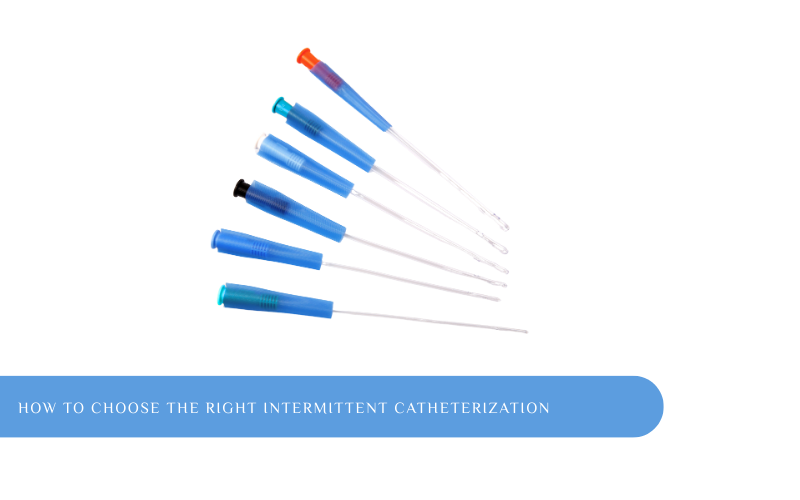
-
18 Dec 2025
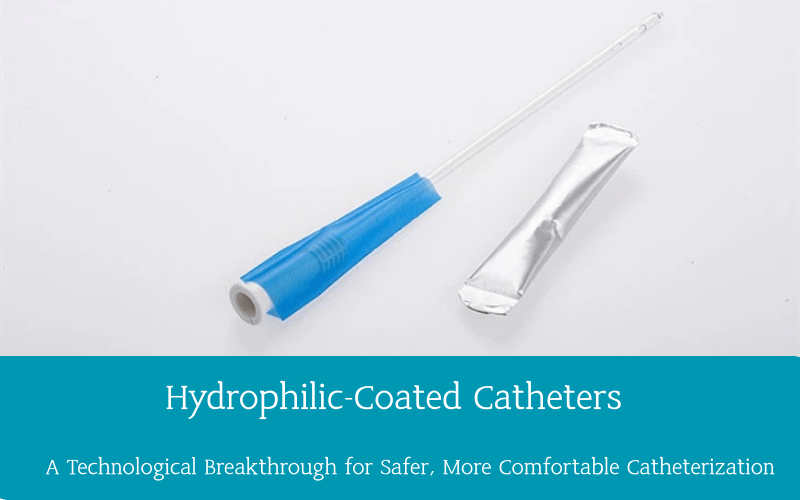
During clinical catheterization, patients often experience discomfort or even pain. Traditional catheters, with their higher surface friction, can cause urethral trauma and increase the risk of urinary tract infections. This not only affects patient experience but also adds to the workload of healthcare staff and hospital management. To address these challenges, hydrophilic-coated catheters have emerged as a major innovation in medical consumables, offering patients a safer and more comfortable catheterization experience. What Are Hydrophilic Coatings? Hydrophilic coatings are specialized functional layers that rapidly absorb water and form a smooth lubricating film on the catheter surface. This water layer significantly reduces friction between the catheter and the urethra, enhancing patient comfort while inhibiting bacterial adhesion and reducing the risk of urinary tract infections. In terms of production, hydrophilic coatings are typically applied through chemical grafting, physical adsorption, or composite coating technologies. These methods ensure that the coating remains stable, durable, and safe for clinical use. Key benefits include: Reduced friction: Ensures smoother catheterization, minimizing urethral mucosa damage. Enhanced lubrication: Ready-to-use catheters that require no additional lubrication. Bacterial adhesion prevention: Lowers infection risks and improves clinical safety. Applications and Use Scenarios Hydrophilic coated catheters are suitable for a wide range of clinical catheterization needs, including intermittent or long-term catheterization for both male and female patients. Common application scenarios include: Hospitals and rehabilitation centers Nursing homes and home care Postoperative or recovery-phase catheterization Compared with traditional catheters, hydrophilic-coated catheters are ready-to-use, reducing the steps required for healthcare staff and lowering operational burden, while significantly improving patient comfort and satisfaction. Advantages: Hydrophilic Coated vs Non Coated Catheters As the table shows, hydrophilic-coated catheters offer clear advantages in patient comfort, ease of use, and clinical safety. Scientific Breakthrough and Technical Strength Our R&D team has developed stable, durable, and environmentally safe hydrophilic-coated catheters through years of material innovation. Clinical studies show that, compared to traditional catheters, patients using hydrophilic-coated catheters report a 60% reduction in discomfort, along with a significant decrease in urinary tract infection rates. Additionally, nursing operations become more efficient, benefiting both hospitals and home care settings. This technological breakthrough demonstrates our professional expertise in medical device development and reflects our commitment to improving patient quality of life through innovation. Conclusion Hydrophilic-coated catheters reduce friction, enhance comfort, and inhibit bacterial adhesion, providing patients with a safer and more comfortable experience. At the same time, they offer healthcare staff a more convenient and efficient operation. Choosing hydrophilic-coated catheters means selecting high-quality medical products while ensuring patient health and improving caregiving efficiency.
View More +