


 Deutsch
What is a urinary tract infection? If the urethra, bladder, and kidneys are infected by pathogens such as Escherichia coli you get urinary tract infections (UTIs). This article explores the diagnosis and treatment of the infection and discusses nursing care plans for urinary tract infections. When your kidneys remove waste and excess water from your blood urine is produced. Urine enters the bladder through narrow tubes from the kidneys. These tubes are called ureters. The bladder stores urine until it is time to urinate. Urine is removed from the body through the urethra. Sometimes bacteria get into your urinary system and cause UTIs. Besides Escherichia coli, which is the main pathogen causing UTIs, other common microbial organisms responsible for the disease are Staphylococcus saprophyticus, Proteus mirabilis, Klebsiella pneumoniae, and Enterococcus spp. It is important to note that indwelling catheters, especially if used for extended periods, is a common risk factor for UTIs. Structure of the urinary tract The urinary tract includes the following parts: a. Kidneys. Your two kidneys (bean-shaped organs) are located on the back of your body, above your hips. They filter water and waste products from your blood, this is how urine is produced. Common wastes include urea and creatinine. b. Ureters. Urine comes from your kidneys to the bladder through ureters (they are basically thin tubes). c. Bladder. The bladder stores urine before it exits your body. d. Urethra. The urethra is a tube that carries pee from your bladder to the outside of your body. Symptoms of urinary tract infection Due to the inflammation in the lining of your urinary tract caused by a UTI, you may experience the following: a. Pain in your flank, abdomen, pelvic area, or lower back. b. Pressure in the lower part of your pelvis. c. Urine that looks cloudy and smells bad. d. Urinary incontinence. e. Frequent urination. f. Urge incontinence (an urgent, uncontrollable need to pee several times during the day and night) g. Pain when you pee (dysuria) h. Blood in your pee (hematuria). There may be other UTI-associated symptoms such as pain in your penis, fatigue feeling, fever, chills, pain during sex, and nausea and vomiting. Causes of urinary tract infection Urinary tract infections are caused by bacteria (E. coli is the main bacterium causing UTIs). The bacteria can travel through the urethra to infect the bladder. The bacteria may also infect your kidney by coming into your kidney from the bladder through the ureters. 1) E. coli typically exist in your lower intestines (large intestine); for this reason, the anus has a lot of E. coli bacteria. So you should be careful when you go to the toilet lest the bacterium infect your urinary tract. 2) You should also pay attention to your finger hygiene because bacteria on your fingers may have an opportunity to infect your urinary tract. 3) Catheter use. Catheter use is a risk factor for UTIs. The catheter is a useful medical device for providing continence care to people who cannot urinate on their own, who cannot control urination due to neurological problems, or who are paralyzed. Therefore it is very important the catheters used are of medical grade, have been approved by authorities as suitable for medical use, and are sterile. For a description of high-quality catheters so that you are more informed as to what catheters to use you can refer to information sources such as this website: www.bevermedical.com Diagnosis of urinary tract infection If you have symptoms of UTI, talk to your doctor, who may conduct the following tests to confirm the infection. 1) Urinalysis. Your urine sample will be examined in a lab using variables such as nitrites, leukocyte esterase and white blood cells. 2) Urine culture. This technique is used to grow and identify any bacteria that are present in your urine sample. If your infection does not respond to treatment, it is possible that your urinary tract has a disease that can be detect by the following examinations: a. Ultrasound. This technology enables the doctor to see an image of your internal organs for diagnosis purposes. b. Computed tomography (CT) scan. A CT scan takes cross-section images of your body. c. Cystoscopy. During this test, a cystoscope is used to look inside your bladder through your urethra. Nursing care plan for urinary tract infection For a person challenged with the problem of urinary tract infections, the nursing care plan implemented by the healthcare provider usually includes the following: 1) Relieving the pain brought about by the infection. When you have a UTI, you are faced with a burning or painful sensation during urination. To address this, your healthcare provider will use a combination of pain medicines, heat therapy, hydration, and antibiotics. Your doctor will prescribe an antibiotic that is targeted at the specific bacteria that cause your infection. The antibiotics used for UTIS include Nitrofurantoin, Sulfonamides, Amoxicillin, Cephalosporins, Doxycycline, and Fosfomycin, Quinolones. 2) UTI patients'complaints may include dysuria, urinary frequency, and urgency. Therefore you will be helped with urinary elimination which significantly improves your quality of life. 3) Administering Medications Your healthcare provider prescribes antibiotics based on the specific bacteria causing the infection and relevant resistance patterns. 4) You may also be instructed on how to prevent a urinary tract infection. A. Hygiene is important In the case of a woman, it is recommended to wipe from front to back after pooping to avoid bacteria getting into the urethra. Also, you should replace your sanitary pads regularly. B. Drink plenty of water. Six to eight glasses of water daily is recommended, because this helps flush out bacteria from your urinary tract. C. Pee is a waste product, so if you pee frequently you remove waste from your body often, which reduces the chance of developing a urinary tract infection. Also, remember to pee before and after having sex. D. In order to prevent moisture from accumulating around your urethra, loose-fitting clothing and cotton underwear are recommended. Urinary tract infections cause inconvenience and sometimes incontinence. There is no adult who is immune from this disease, and it should be treated right away in order to avoid complications.
View More +-
05 Aug 2024
-
18 Jul 2024
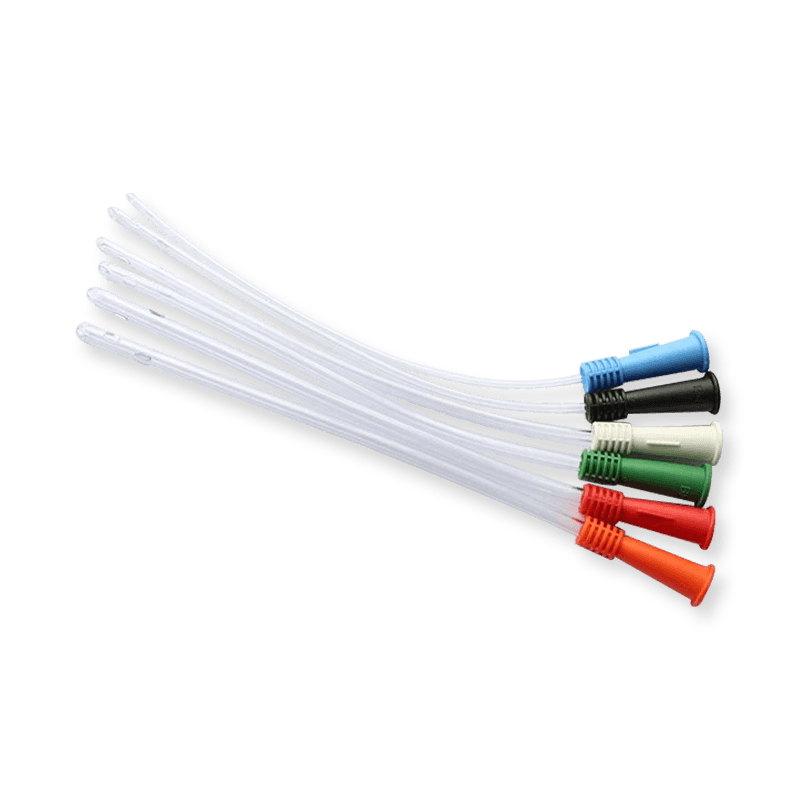
After gynecological procedures or surgeries, a female patient may need to use a female catheter to drain urine from her bladder. The female reproductive and urinary systems have a close relationship, which is how the use of female catheters arises. In particular, the needs to use female catheters arise in the following cases or scenarios. In addition, it is also necessary to describe female catheter procedure, that is, the procedure for using catheters in a female patient during or after gynecological procedures or surgeries Gynecological Scenarios Requiring Catheter Use 1) Post-Surgical Management in Gynecological Surgeries After certain gynecological surgeries, such as hysterectomies (removal of the uterus), surgeries for pelvic organ prolapse, or ovarian surgeries, urinary catheters are often inserted to monitor urine output and allow the bladder to heal without strain. Surgical interventions on the reproductive organs can cause temporary changes in bladder function or put pressure on the bladder and urethra. A urinary catheter helps manage these issues by ensuring proper drainage during recovery. 2) During Childbirth A urinary catheter is often inserted during or after labor, particularly in cases of epidural anesthesia, prolonged labor, or cesarean sections. Epidurals can numb the lower body, making it difficult for the mother to feel the urge to urinate, necessitating the use of a catheter. The urinary system may be affected during childbirth due to physical strain or the effects of anesthesia. Inserting a catheter ensures that the bladder remains empty, reducing the risk of urinary retention or bladder injury. 3) Management of Bladder Function in Pelvic Floor Disorders Conditions such as pelvic organ prolapse or urinary incontinence (common gynecological issues) often require a urinary catheter for diagnostic or therapeutic purposes. A catheter may be used to drain urine if pelvic organs are pressing on the bladder, or to evaluate bladder function in procedures like urodynamics. The bladder is closely anatomically related to the uterus and vagina, and disorders affecting the pelvic floor can impact bladder function. Urinary catheters help manage or assess these dysfunctions. 4) Intraoperative Catheter Use in Gynecological Procedures During gynecological surgeries like laparoscopy, oophorectomy, or endometriosis treatment, a urinary catheter may be inserted to keep the bladder empty and reduce the risk of injury during surgery. Keeping the bladder deflated also allows for better visualization of pelvic organs. The proximity of the urinary and reproductive organs in the pelvic area means that a full bladder can interfere with gynecological surgery or increase the risk of accidental injury. 5) Gynecological Cancer Management In patients with cervical, ovarian, or uterine cancer, urinary catheters may be used during radiation therapy or after tumor removal surgeries to monitor urine output and prevent urinary complications. Gynecological cancers, particularly those affecting the cervix and uterus, are located near the bladder, and treatments may involve urinary catheterization for management or postoperative care. We have described the scenarios or cases in which catheters may be used to provide their functions in the above passages. The next important question is how are they actually used in a female patient. Procedure for Using Female Catheters What Is a Female Catheter and Its Types A. What a Female Catheter Is A female catheter is a thin, flexible tube inserted into a woman's urethra to drain urine from the bladder. Catheters are commonly used when a woman is unable to empty her bladder naturally or requires urinary drainage during certain medical conditions or procedures. Female catheters are typically shorter than male catheters because the female urethra is shorter. B. Types of Female Catheters 1) Female Intermittent Catheters Female Intermittent Catheters are used to drain the bladder intermittently. They are inserted into the urethra and removed after the bladder is emptied. They are not left in place. Common Uses: Temporary bladder drainage Self-catheterization for women with urinary retention Bladder tests or urodynamic studies This type of catheter is most commonly and frequently used. If you want to see the actual thing, you can have a view at a website such as this: www.bevermedical.com Female intermittent catheters from Hangzhou Bever Medical Device 2) Indwelling Catheter (Foley Catheter) Description: An indwelling catheter, also known as a Foley catheter, is a tube that is inserted into the bladder and remains in place for a prolonged period. It has a small balloon at the tip that is inflated to keep the catheter from slipping out of the bladder. Common Uses: Long-term bladder management Post-surgery (e.g., after hysterectomy or pelvic surgery) During labor and delivery (e.g., during a C-section) Female Catheter Procedure We now know what a female catheter is and its various types available for female patients. Let's move on to female catheter procedure, that is, what is the procedure for using catheters in a female patient. 1) Choose the right type of catheter for the female patient If there is a need to use the catheter on an as-needed basis, choose the intermittent catheter. If the female patient needs to use it continuously, choose the indwelling catheter (also called Foley catheter) 2) Urine catheter size for female At this step we need to select the correct size of catheter for the female patient. A. Foley Catheter Size Female For females, the size of a Foley catheter is typically selected based on the individual's anatomy and the clinical scenario. The size of catheters is measured using the French scale (Fr), where a higher number indicates a larger diameter. Common Foley Catheter Sizes for Females: Standard Sizes: 14 Fr to 16 Fr are the most commonly used sizes for adult women. These sizes are sufficient for normal urine drainage and are comfortable for most patients. Larger Sizes: 18 Fr to 20 Fr: These sizes may be used for women with larger urethras or when there is a need to drain thicker fluids, such as in cases of blood clots after surgery. Smaller Sizes: 10 Fr to 12 Fr. These sizes are generally used for women with narrow urethras, pediatric patients, or when less invasive drainage is required. B. Intermittent Catheter size for Female Standard Sizes: 12 Fr to 14 Fr. These are the most commonly used sizes for adult women. They provide a good balance between effective urine drainage and patient comfort. Smaller Sizes: 8 Fr to 10 Fr. These smaller sizes are used for women with narrower urethras or when less invasive drainage is required, such as in pediatric or elderly patients. Larger Sizes: 16 Fr to 18 Fr. These sizes are sometimes used when faster drainage is needed, or in cases of urinary retention with thicker urine, blood clots, or other complications. 3) Insertion of the Catheter A. How to Find Female Urethra for Catheter The female urethra is located just above the vaginal opening and below the clitoris. The urethral opening is a small hole located between the clitoris (at the top) and the vaginal opening (below). It may be slightly less visible than the other structures, so you may need to look carefully. B. Perform hand hygiene thoroughly. Put on sterile gloves to maintain sterility throughout the procedure. C. Clean the Genital Area Use antiseptic wipes or a cleaning solution to clean the labia and the area around the urethral opening. D. Insert the Catheter With your dominant hand, hold the lubricated catheter about 2-3 inches from the tip. Gently insert the catheter into the urethral opening in a steady, forward motion. Continue to advance the catheter until urine begins to flow (this indicates the catheter is in the bladder). Usually, the catheter is inserted about 2-3 inches before reaching the bladder. E. For Foley Catheter (Indwelling) Once urine flows, insert the catheter another inch to ensure it's fully inside the bladder. Inflate the balloon with the pre-filled syringe of sterile water (usually 10 mL) to secure the catheter in place. Gently pull back on the catheter to feel resistance, ensuring the balloon is properly positioned in the bladder. F. Connect the Collection Bag Attach the urine collection bag to the catheter (for Foley catheters). Secure the catheter tubing to the patient's leg to prevent pulling or accidental removal. Conclusive Remark If we know not only urinary catheters'application in gynecological scenarios or cases but also know about the execution of catheter uses in a female patient who has undergone gynecological procedure, we will be more prepared in terms of knowing how catheters can be used to solve problems in gynecological cases. For this reason we have presented the above passages. Female Catheter Supply for Healthcare OrganizationsIn addition to clinical applications, reliable supply is an important consideration for organizations purchasing female urinary catheters in volume. Hospitals, distributors, DME suppliers, and medical device brands may look for a female catheter supplier that can support consistent quality, bulk orders, customized packaging, OEM manufacturing, and private-label requirements. An experienced medical device manufacturer can help healthcare businesses develop a more stable long-term supply chain.
View More +
-
18 Jul 2024
In this article we share with readers information on catheter lubricants. Please bear in mind all “catheter” mentioned in this article refers to a urinary catheter. As we know urinary catheters are inserted through the urethra into the bladder to drain urine in a patient who has lost the natural function to urinate voluntarily on their own due to incontinence or urine retention problems. It is imperative that there is sufficient lubricant jelly for catheter applied on the catheter to make the insertion smoother and to minimize pain during insertion. Types of Jelly for Catheter Jelly for catheter refers to lubricant jelly for catheter, which is usually a sterile, water-based lubricant used during the insertion of a catheter into the body. There are several types of lubricant jelly for catheterization. The following is description of the various types 1) Plain Sterile Lubricating Jelly Description: A basic water-based lubricant used to ease catheter insertion by reducing friction. Common Brands: Surgilube, K-Y Jelly Uses: General catheterization without additional anesthetic or antiseptic needs. 2) Lidocaine Gel (Anesthetic Gel) Description: A lubricating gel that contains lidocaine, a local anesthetic to numb the area during catheter insertion. Common Brands: Xylocaine, Instillagel Uses: Catheterization that may cause discomfort or pain, such as when inserting a urinary catheter. 3) Antiseptic Lubricating Gel Description: Contains antiseptic agents to reduce the risk of infection during catheterization. Some formulations combine both anesthetic and antiseptic properties. Common Brands: Optilube Active Uses: Ideal for procedures where minimizing infection risk is crucial, such as in hospital or post-operative settings. 4) Hydrophilic Gels Description: hydrophilic lubricants create a smooth, slippery surface when activated by water, reducing friction significantly. Common Brands: Bever (Hangzhou Bever Medical Device), SpeediCath, LoFric If you are interested to make enquiries into more details of catheter hydrophilic lubricants, you can contact Bever or others through their websites such as www.bevermedical.com Intermittent Catheter with Jelly Sachet Catheter hydrophilic lubricant with the catheter, from Hangzhou Bever Medical Device Co., Ltd. Uses: Preferred for long-term catheter use due to their ease of insertion and reduced trauma to sensitive tissues. 5) Silicone-Based Lubricants Description: Silicone-based gels are sometimes used for specialized catheters, particularly in individuals who may have sensitivities to water-based formulas. Common Brands: Rarely used for urinary catheters; more common in other types of medical devices. Uses: Situations where extra-durable lubrication is needed for extended periods. Catheter Lidocaine Jelly What Is Catheter Lidocaine Jelly Catheter lidocaine jelly is a sterile, water-based lubricating gel that contains lidocaine, a local anesthetic. This jelly is commonly used during catheterization and other medical procedures to reduce discomfort, numb the area, and make the insertion of the catheter easier and less painful. Key Features Lidocaine: Lidocaine in the jelly helps to numb the tissues where the catheter is being inserted (such as the urethra). This helps alleviate pain or discomfort during the process. Lubrication: The jelly also acts as a lubricant to reduce friction between the catheter and the surrounding tissues, making the procedure smoother and minimizing trauma. Sterility: The jelly is sterile, reducing the risk of introducing bacteria and causing infections during catheterization. Benefits of Catheter Lidocaine Jelly 1) Lidocaine Jelly for Catheter Insertion Using lidocaine jelly during catheter insertion provides significant benefits, which is the reason why lidocaine jelly is used in many cases. In particular the benefits of lidocaine jellies are as follows. A. Pain Relief: The lidocaine in the jelly numbs the tissues at the insertion site, reducing pain and discomfort during catheterization. B. Lubrication: The gel provides a slick, smooth surface that minimizes friction between the catheter and the body tissues, allowing for easier insertion. C. Reduced Trauma: By easing the passage of the catheter, the jelly helps reduce the risk of tissue injury and irritation. D. Infection Control: Most lidocaine jellies are sterile, which helps lower the risk of introducing bacteria or infection during the catheterization process. 2) Lidocaine Jelly for Catheter Pain The rationale behind healthcare personnel’s use of lidocaine jelly is lidocaine jelly for catheter pain. To be specific, we present in the passage below how lidocaine jelly helps reduce catheter pain Numbing Effect: Lidocaine is a local anesthetic that temporarily blocks nerve signals in the area where it is applied, helping to numb the urethra or other insertion points. This reduces the sensation of pain and discomfort when the catheter passes through. Lubrication: The jelly itself provides a smooth, lubricated surface for easier insertion of the catheter, reducing friction that could cause discomfort or irritation. Reduced Trauma: By reducing pain and friction, lidocaine jelly minimizes the risk of tissue trauma, irritation, and inflammation, which can occur during catheterization, especially in sensitive patients. Prevention of Spasms: In some cases, catheter insertion can cause spasms of the bladder or urethra. The numbing effect of lidocaine jelly can help reduce the likelihood of spasms, making the procedure smoother. Shared Information on Catheter Lubricants As we have stated in the above passages, catheter lubricants play an important role in catheterization. It is useful information to describe types of lubricants and how they are used to provide medical benefits, which is why we have shared with you this article. Related BEVER Medical Products Explore our related intermittent catheter solutions: Hydrophilic Intermittent Catheter Female Intermittent Catheter OEM & Bulk Supply BEVER Medical supports global medical distributors and OEM partners with intermittent catheter solutions, including private labeling, bulk orders, and customized specifications. Contact us for product details, OEM options, and quotations.
View More +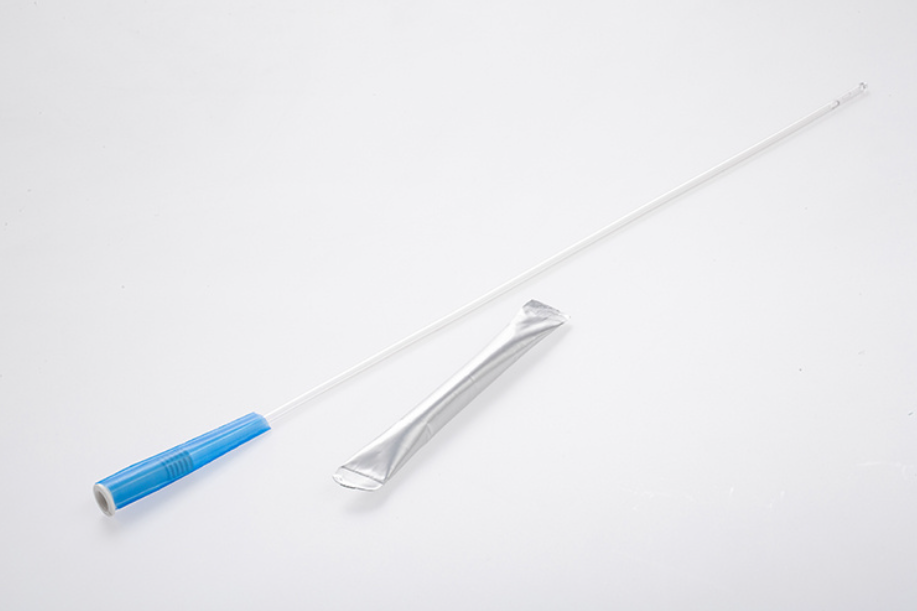
-
18 Jul 2024
The female external catheter is one type of urinary catheter specifically designed for females. Other types of female urinary catheters include those that are inserted internally such as intermittent catheters and indwelling catheters. In this article, after introducing types of female urinary catheters including the female external catheter, we focus on explaining how the female external catheter works. Female Urinary Catheter Types 1) Female External Catheter Female external catheter is a soft, flexible device placed externally between the labia to collect urine without entering the body. It collects urine from the external body without the need for internal insertion. It is used primarily for managing urinary incontinence or for bedridden patients. This type of catheter has the advantage of reducing the risk of infection and offering comfort due to its non-invasive nature. Structure of a Female External Catheter 1) Absorbent Pad or Wicking Material The central component is typically a soft, absorbent pad or wicking material designed to catch and absorb urine. This material is often made from a highly absorbent fabric or foam that draws urine away from the skin. The pad is placed between the labia, covering the area around the urethral opening. 2) Collection Tube A flexible tube extends from the absorbent pad. This tube channels urine from the pad to a collection bag or suction system. It transports the collected urine away from the body to prevent leakage and ensure proper drainage. 3) Adhesive or Fastening Mechanism Many external catheters include an adhesive backing or fastening straps to secure the device in place against the body. It ensures a snug fit and prevents the device from shifting, which helps maintain effective urine collection and minimizes leakage. 4) Collection Bag or Canister The tube connects to a drainage bag or canister where the collected urine is stored. The bag or canister is usually attached to the patient’s leg or bed and can be easily emptied when full. 5) Suction Mechanism (for certain models) Some external catheters incorporate a suction mechanism to assist in drawing urine from the absorbent pad into the collection bag. The suction helps manage the flow of urine, ensuring it is efficiently collected and reducing the risk of leaks. 2) Indwelling Catheter (Foley catheter) In contrast with the non-invasive nature of external catheters, this type of catheter is invasive because it is inserted into the bladder through the urethra. It is a flexible tube inserted through the urethra into the bladder. It includes a balloon at the tip to hold it in place inside the bladder for continuous urine drainage. As the name indicates, it is for long-term catheterization, typically post-surgery, in patients who cannot empty their bladder on their own. It provides continuous drainage over an extended period. Common Applications: After surgery, for chronic bladder issues, or during hospitalization. 3) Intermittent Catheter (Straight Catheter) This type of catheter is also inserted into the bladder through the urethra and is thus invasive. It is a catheter inserted through the urethra into the bladder temporarily to drain urine. It is removed immediately after the bladder is emptied. It is used for periodic bladder emptying, typically in patients with urinary retention or neurogenic bladder. It has the advantage of lower risk of infection compared to indwelling catheters as it is removed after each use. Common Applications include at-home self-catheterization, post-surgery bladder recovery. The picture below from Hangzhou Bever Medical Devices Co., Ltd. illustrates how intermittent catheters look 4) Coude Catheter A catheter with a curved tip designed to navigate around urethral obstructions or anatomical difficulties, such as strictures or blockages. It is used primarily for women with anatomical challenges that prevent the easy use of standard invasive catheters. Advantages: Helps with catheter insertion when the urethra is narrowed or blocked. Common Applications: For patients with urethral strictures or those experiencing difficulties during catheter insertion. An actual Coude catheter (picture provided by Hangzhou Bever Medical Devices Co., Ltd.) How does Female External Catheter Work A female external catheter is a non-invasive device designed to collect urine without inserting anything into the body. It provides an alternative to traditional internal catheters, offering a more comfortable and lower-risk option, particularly for managing urinary incontinence in bedridden or immobile women. 1) Placement The device is placed externally between the labia (in the perineal area) to position it close to the urethral opening. It usually has a soft, absorbent pad or wicking material that draws the urine away from the skin. 2) Urine Collection The absorbent material or wick gently catches the urine as it leaves the body, preventing it from contacting the skin. Once the urine is absorbed by the wick, it flows into a drainage tube that's connected to a collection bag or vacuum-assisted suction system. 3) Vacuum or Suction System A gentle suction system (often used with certain models) helps pull urine through the wick and into a collection canister or drainage bag. This ensures urine is quickly and efficiently removed, reducing the risk of skin irritation or moisture buildup. 4) Continuous Monitoring The system provides continuous urine collection, meaning the catheter can be left in place for extended periods without needing frequent manual intervention. The collection bag or canister is emptied as needed, depending on urine output. 5) Preventing Infection and Skin Breakdown Since the device doesn't enter the body, it significantly reduces the risk of urinary tract infections (UTIs), which are common with indwelling catheters. The absorbent material also keeps the skin dry, minimizing the risk of skin breakdown or pressure sores from prolonged exposure to moisture. Female External Catheters Covered by Medicare Female external catheters are typically covered by Medicare. Medicare coverage for urinary catheters falls under Medicare Part B, which covers durable medical equipment (DME). Requirements for Coverage A. A doctor must determine that the use of the female external catheter is medically necessary for managing urinary incontinence or other related conditions. B. Prescription: You must have a prescription from your healthcare provider for the external catheter system. C. Specific Diagnoses: Typically, Medicare will cover catheters for patients who have conditions like urinary retention, urinary incontinence, or who are unable to use internal catheters due to other health issues. Cost to Patients Medicare typically covers 80% of the approved amount for female external catheters, leaving you responsible for the remaining 20% unless you have Medigap or other supplemental insurance that can help cover the balance. You may also need to meet the Part B deductible before coverage begins. Final Remark I hope this article provides some useful information for readers interested in female urinary catheters, especially external catheters. I will post more articles if they help readers understand medical devices better. Looking for a reliable OEM suction catheter supplier? BEVER Medical operates as an ISO 13485 certified medical device manufacturer and CE MDR compliant OEM partner. We specialize in suction catheter production for global distributors, importers, and healthcare brands. We manufacture medical-grade suction catheters using PVC and silicone materials, covering neonatal, pediatric, and adult sizes (5–16 Fr). We design each catheter with atraumatic rounded tips and offer optional thumb-control valves for clinical applications. We provide full OEM and private label services. We customize packaging, labeling, and regulatory documentation to support compliance in European and North American markets. We ensure consistent product quality through strict process control, maintain full batch traceability, and protect intellectual property for our global OEM partners.
View More +


