


 Deutsch
Call Us
TEl: +86-13148388090
Fax:+86-571-88616515

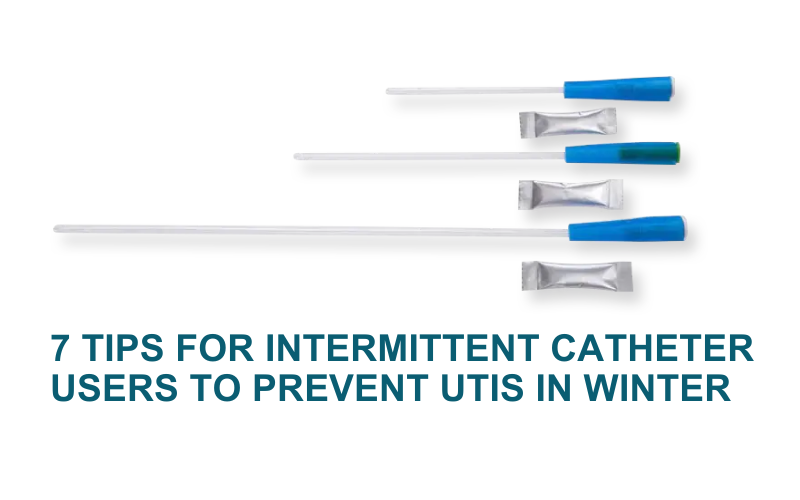
Cold temperatures bring challenges to catheter care, it creates conditions that can greatly increase the risk of urinary tract infections (UTIs)for people relying on intermittent catheterization. Dry air, heavier clothing, disrupted routines, and reduced fluid intake all work against good bladder health.
However, most winter-related UTI risks are preventable. With the right care strategy, you can protect your urinary health throughout the cold months. Here are 7 practical tips from Bever Medical, helping you navigate winter with comfort.
A catheter-associated urinary tract infection (CAUTI) occurs when bacteria enter the urinary tract through the catheter. While intermittent catheters have a lower risk than indwelling catheters, winter conditions can raise that risk due to:
Getting to know these seasonal factors is the first step toward prevention.
Cold winter always keep people away from water, because cold weather suppresses thirst. However, dehydration is the main reason for users of intermittent catheters for men during the winter months.
When fluid intake is low, urine becomes concentrated and remains in the bladder longer, creating an ideal environment for bacteria. So, what to do to lower the risk? Bever Medical, as an experienced single-use catheter manufacturer, suggests:
Pro tip: Pale yellow urine is a good sign of adequate hydration.
Layers of thermals, trousers, and coats can make catheterization feel inconvenient—especially in public restrooms. But delaying your schedule can cause bladder over-distension, urine reflux, and infection. The practical way is:
Winter is the peak season for viruses and bacteria. High-contact surfaces increase the risk of transferring germs to your catheter during insertion. Following these tips helps prevent you from bacterial risks:
With your immune system already under seasonal stress, winter is not the time to reuse catheters. Single-use catheters significantly reduce the risk of cross-contamination.
What to do:
Pro tip: Single-use systems provide an extra layer of protection during high-risk months.
Cold temperatures and indoor heating can dry out mucosal tissue and thicken lubricants. Inadequate lubrication increases friction, causing tiny urethral tears that allow bacteria to enter. You can:
Pro tip: Store lubricating gel catheters or gel packets in an inner pocket before use to bring them to body temperature.
Cold weather can cause muscles to tense, making catheter insertion harder—especially for men with enlarged prostates or urethral narrowing. In such cases, using a Tiemann catheter for men may provide a solution. Before using, please consider these conditions:
Note: Please use the right catheter to reduce trauma and infection risk.
Your bladder environment matters. Supporting it nutritionally can help reduce infection risk.
Helpful habits:
Cold winter weather shouldn't be a source of urinary tract infections. When using a catheter, you can safely get through the winter by staying well-hydrated, maintaining good personal hygiene, and using the appropriate catheter. At Bever Medical, our catheter products are dedicated to helping you feel comfortable all year round. For more questions about care and products, please feel free to contact us or check out our blog.
Copyright © Hangzhou BEVER Medical Devices Co., Ltd.
The information provided on this website is intended for use only in countries and jurisdictions outside of the People's Republic of China.


