


 Deutsch
Call Us
TEl: +86-13148388090
Fax:+86-571-88616515

Across hospitals, clinics, and long-term care facilities, intermittent catheterization remains an essential procedure in urinary management. In recent years, hydrophilic coated intermittent catheters have been increasingly adopted as part of modern clinical practice.
This shift reflects a broader transition in healthcare priorities—from cost-based purchasing to a stronger focus on patient safety, procedural consistency, and total cost of care.
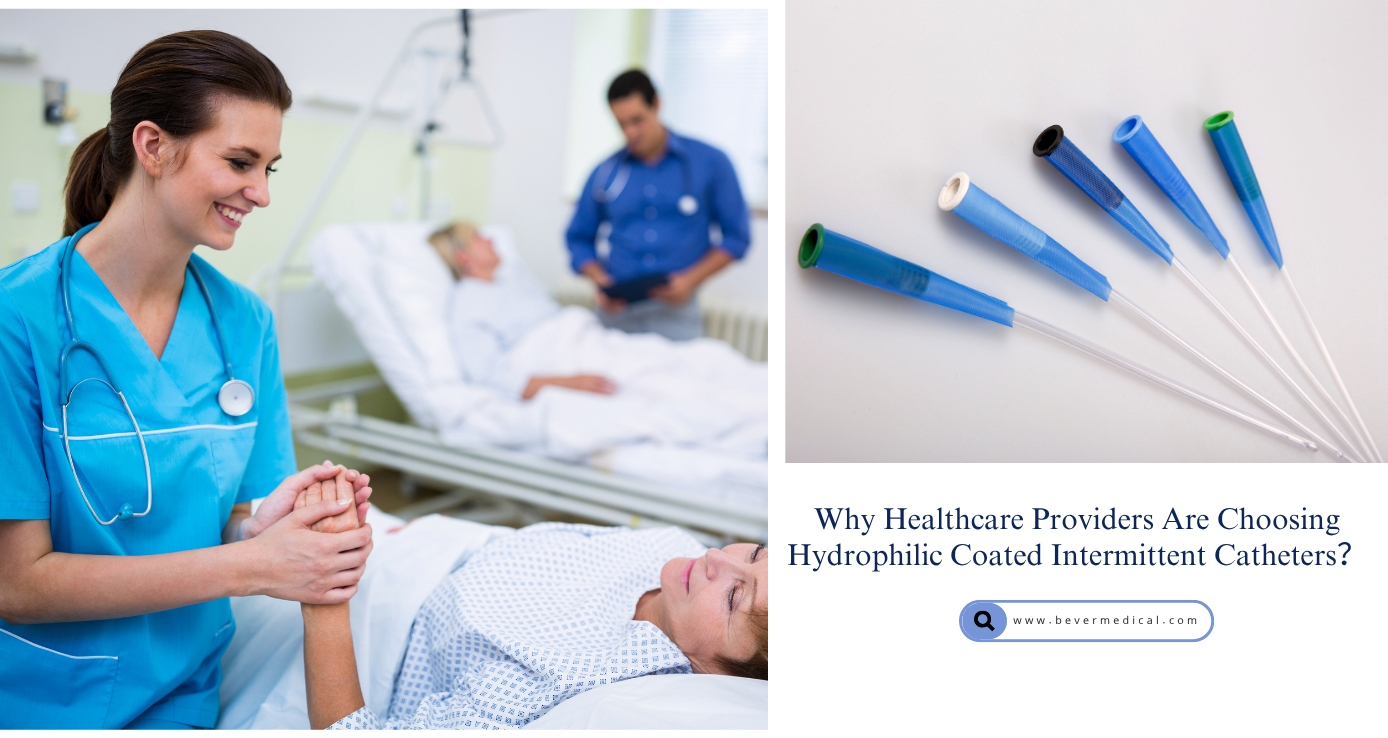
Standard intermittent catheters are widely used for patients with urinary retention, neurogenic bladder, and post-surgical recovery. They remain a basic and accessible solution in many healthcare settings due to their simplicity and relatively low upfront cost.
However, in repeated or long-term catheterization scenarios, certain limitations are commonly observed:
Over time, these factors may affect patient comfort, adherence to catheterization routines, and overall clinical outcomes, particularly in patients requiring frequent use.
Compared with standard intermittent catheters, hydrophilic coated catheters deliver a significantly improved surface performance by introducing a water-activated lubrication layer. This core difference is what enables better control of friction, comfort, and clinical consistency.
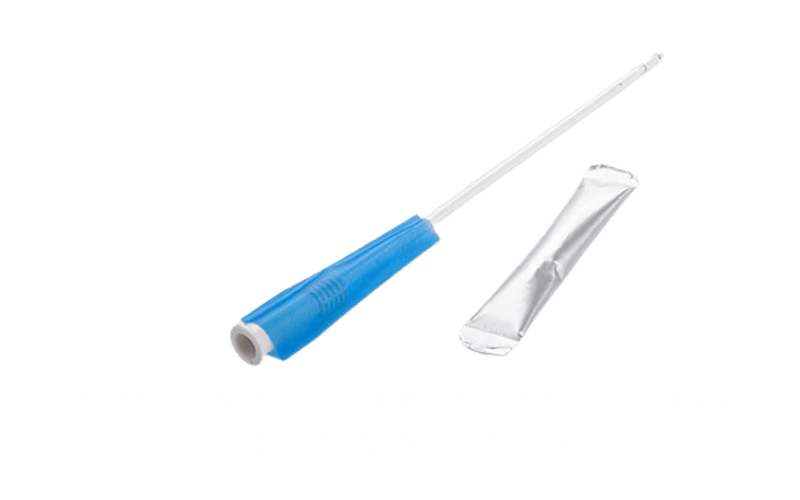
Hydrophilic coating technology is designed to improve catheter surface lubrication through a water-activated mechanism. When exposed to sterile water, the coating absorbs moisture and forms a uniform, hydrated surface layer.
This results in a smooth and consistently lubricated interface between the catheter and the urethral tissue.
Compared with traditional uncoated catheters that rely on external gel lubrication, hydrophilic coated catheters offer:
In addition, advanced manufacturing processes ensure strong adhesion between the hydrophilic coating and the catheter substrate, helping maintain coating integrity during storage, activation, and use.
To better understand how this difference translates into clinical practice, it is helpful to compare hydrophilic coated intermittent catheters with traditional uncoated catheters in real use scenarios.
Learn More:Hydrophilic Intermittent Catheters vs. Uncoated Intermittent Catheters
The hydrated coating layer provides a low-friction surface, which helps reduce urethral resistance during catheter insertion and removal. This may contribute to reduced mechanical irritation and improved patient tolerance, especially in repeated intermittent catheterization.
By minimizing friction-related micro-trauma and supporting smoother insertion, hydrophilic coated catheters may help reduce potential entry points for bacterial contamination.
Clinical studies have suggested an association between hydrophilic catheter use and reduced incidence of urinary tract infections in selected patient populations, particularly in long-term catheterization scenarios.
Patients requiring intermittent catheterization often perform the procedure multiple times per day. Reduced friction and smoother insertion can improve overall comfort and may support better adherence to prescribed catheterization schedules.
Hydrophilic systems eliminate or reduce the need for manual lubrication, which helps streamline the catheterization process and reduce variability between users and settings.
Single-use, sterile hydrophilic catheter systems support hospital infection prevention protocols and help reduce cross-contamination risks when properly used according to clinical guidelines.
Hydrophilic coated intermittent catheters are referenced in clinical guidelines such as EAUN and NICE recommendations as an appropriate option for intermittent catheterization, particularly in patients where reduced friction and improved comfort are clinical priorities.
Healthcare providers and distributors typically assess suppliers based on:
Among these, coating consistency and long-term manufacturing stability are key differentiators in supplier selection.
The global demand for hydrophilic coated intermittent catheters continues to grow, driven by:
Hydrophilic catheters are increasingly being integrated into standard care protocols in many healthcare systems, particularly for intermittent catheterization.
Hydrophilic coated intermittent catheters represent an advanced option for urinary management that aligns with modern healthcare priorities, including patient safety, procedural consistency, and cost-effectiveness.
As clinical practice continues to evolve toward value-based care, adoption of hydrophilic technology is expected to increase across hospitals, outpatient facilities, and long-term care environments.
Partner with a trusted manufacturer for hydrophilic coated intermittent catheter solutions:
Contact us to discuss your product requirements and OEM cooperation opportunities.
Copyright © Hangzhou BEVER Medical Devices Co., Ltd.
The information provided on this website is intended for use only in countries and jurisdictions outside of the People's Republic of China.


