


 Deutsch
Call Us
TEl: +86-13148388090
Fax:+86-571-88616515

In healthcare procurement, catheters are essential consumables that directly impact patient safety, nursing efficiency, and operational costs. Hydrophilic-coated intermittent catheters have become the preferred choice for urology departments, ICUs, surgical units, and home care due to their clinical benefits and ease of use. This guide provides practical insights for hospitals and home care facilities from four perspectives: clinical value, technical advantages, market segmentation, and product selection.

Multiple studies indicate that hydrophilic-coated catheters significantly reduce the risk of catheter-associated UTIs compared with uncoated or gel-lubricated catheters. Prospective multicenter trials have shown delayed onset of symptomatic UTIs among patients using hydrophilic devices (Cardenas et al., 2011). Lower friction minimizes urethral mucosal trauma, further reducing infection and bleeding risk.
Clinical evidence demonstrates that hydrophilic-coated catheters reduce microtrauma and microscopic hematuria compared with conventional catheters (Stensballe et al., 2005). This is particularly beneficial for patients requiring frequent catheterization or postoperative care.
Hydrophilic coatings provide automatic lubrication, eliminating the need for extra gel application. This can shorten catheterization time and reduce repetitive cleaning tasks, optimizing workflow in high-volume hospital departments.
Patients report smoother insertion and lower discomfort scores, leading to better compliance with prescribed catheterization routines. This is especially advantageous for chronic catheter users and home care patients
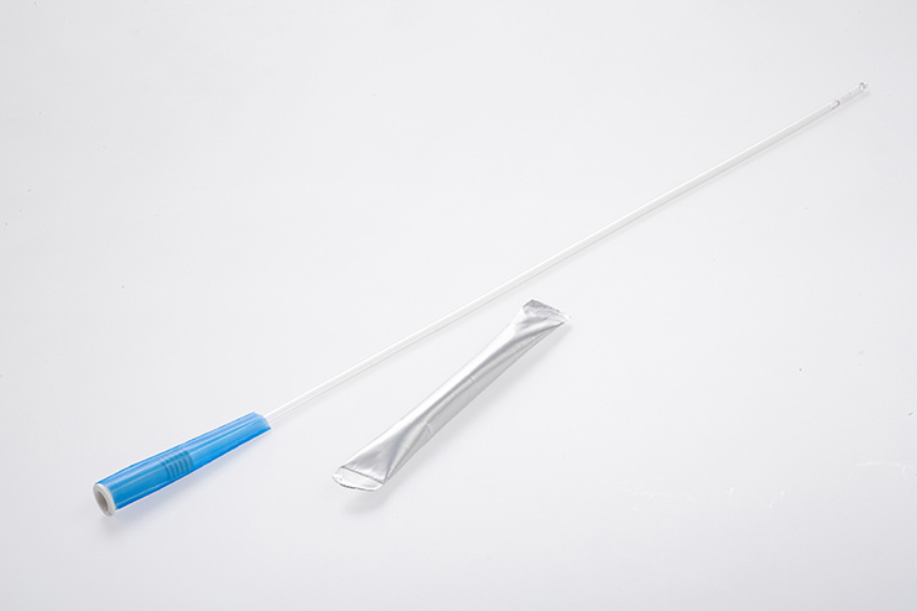
Hydrophilic-coated catheters combine low-friction surfaces with broad size compatibility. Compared with standard or gel-lubricated catheters, their advantages include:
These features make them particularly suitable for high-frequency clinical settings and long-term home care.
Urology / High-frequency use: Single-use hydrophilic catheters reduce infection risk and streamline operations.
ICU / Postoperative care: Closed-system hydrophilic catheters minimize cross-contamination for long-term monitoring.
Hydrophilic or pre-lubricated intermittent catheters improve ease of use and comfort, supporting patient independence.
Procurement decisions should consider usage frequency, nursing workload, and budget, allowing hospitals and care providers to quickly match catheter types to clinical needs.
| Criteria | Hydrophilic | Standard Lubricated | Pre-lubricated | Closed System |
| Ease of Use | High | Medium | High | Medium |
| Infection Risk | Low | High | Medium | Low |
| Nursing Efficiency | High | Low | Medium | Medium |
| Patient Comfort | High | Medium | High | Medium |
| Cost | Medium | Low | Medium | High |
Recommendation: Hydrophilic-coated catheters generally provide the best balance of safety, efficiency, and patient comfort, making them suitable for most clinical scenarios.
For distributors, hospital supply chains, and clinic partners, hydrophilic-coated Intermittent Catheters offer OEM customization, bulk supply, and multi-channel distribution. Partnering with reliable suppliers can optimize inventory, reduce costs, and support mixed-model procurement for diverse departments and home care needs.
We deliver consistent quality, ensure smooth insertion, and offer a variety of hydrophilic-coated Intermittent catheters suitable for both hospital and home care applications.
BEVER Medical provides flexible supply options for bulk orders, OEM customization, and international distribution, enabling procurement teams to efficiently meet both clinical and operational requirements.
References
Cardenas DD, et al. PM&R 3(5):408–417 (2011) — Prospective multicenter trial demonstrating delayed symptomatic UTIs with hydrophilic catheters.
Stensballe J, et al. Eur Urol 48(6):978–983 (2005) — Hydrophilic-coated catheters reduce urethral micro trauma.
Plata M, et al. World J Urol (2023) — Meta-analysis showing reduced UTI risk with hydrophilic catheters.
Disclaimer
This article is intended for informational purposes for healthcare procurement professionals. Data and study references are summarized from publicly available clinical research and literature. This content does not reproduce original publications and is not a substitute for professional medical advice. Individual hospitals, clinics, or home care providers should consult their clinical guidelines and suppliers when making procurement decisions.
Copyright © Hangzhou BEVER Medical Devices Co., Ltd.
The information provided on this website is intended for use only in countries and jurisdictions outside of the People's Republic of China.


