


 Deutsch
Call Us
TEl: +86-13148388090
Fax:+86-571-88616515

The incontinence care products market has experienced sustained growth over the past decade, driven by structural changes in global healthcare systems. Aging populations, increasing life expectancy, and the rising prevalence of chronic and mobility-related conditions have significantly expanded the need for long-term care solutions outside of hospitals and nursing facilities. At the same time, healthcare providers and payers are seeking more cost-effective care models, accelerating the shift toward home-based care.
Within this broader market, incontinence management has become a core component of home care services. Urinary incontinence is common among elderly individuals, patients with neurological disorders, post-surgical populations, and those with limited mobility. Because incontinence requires continuous, day-to-day management, related supplies represent one of the most stable and recurring demand categories in home healthcare.
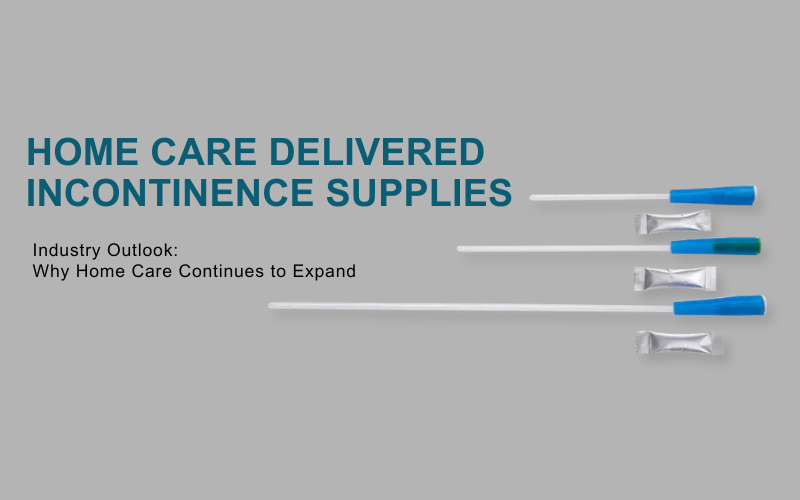
Incontinence products occupy a critical position in the home care supply chain due to their frequency of use and direct impact on patient comfort and hygiene. Unlike episodic medical treatments, continence management involves daily consumption, long-term planning, and consistent supply. This makes incontinence supplies a strategic category for home care providers, distributors, and manufacturers alike.
The primary user groups include elderly patients aging at home, individuals with disabilities, patients recovering from surgery, and those managing chronic urinary or neurological conditions. Across these populations, product reliability, ease of use, and long-term safety are key considerations.
Absorbent products such as adult diapers, briefs, pull-ups, and pads are widely used in home care settings. Their advantages include ease of application, non-invasive use, and suitability for patients with mild to moderate incontinence. These products are often used as a first-line or supplementary solution.
However, absorbent products are associated with limitations, including frequent replacement, potential skin irritation, and reduced effectiveness for patients with severe incontinence. Over time, high consumption can also result in higher cumulative costs.
Ostomy supplies are essential for patients who require long-term surgical waste diversion. In the home care context, ostomy pouches, skin barriers, and accessories support independent living and daily activity.
The effectiveness of ostomy products depends heavily on proper selection, fitting, and ongoing maintenance. Without appropriate education and support, patients may experience leakage, skin complications, or reduced comfort.
Urinary catheters represent one of the most clinically significant categories within home care delivered incontinence supplies. They provide direct bladder management and are commonly used by patients with moderate to severe urinary dysfunction, including neurogenic bladder, urinary retention, and long-term incontinence.
While catheter use requires proper technique and hygiene to minimize infection risk, technological advancements in materials and surface treatments have greatly improved user safety and comfort in home environments.
Despite the availability of multiple incontinence product types, urinary catheters remain the primary long-term management solution for a large proportion of incontinence users. Many patients rely on catheterization as a consistent, ongoing method rather than alternating between product categories.
Compared with absorbent products, catheters offer more effective bladder control, improved skin integrity, and reduced reliance on frequent product changes. Intermittent catheterization, in particular, is widely recognized in clinical practice as a preferred approach when appropriate, supporting better urinary health outcomes and long-term quality of life.
BEVER Medical supports the home care market with a comprehensive range of intermittent catheter solutions designed for long-term use in non-clinical settings.
Designed for immediate activation, these catheters allow users to lubricate the hydrophilic surface instantly, offering convenience and consistent performance.
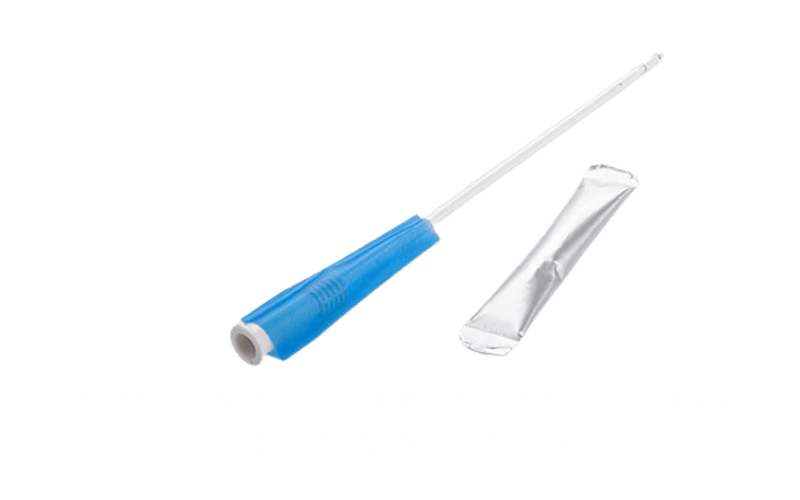
Ready-to-Use Hydrophilic Intermittent Catheters
Pre-lubricated and ready for use, these Ready-to-Use Hydrophilic Intermittent Catheters minimize preparation steps and support ease of use in daily home care routines.
Standard Intermittent Catheters
A cost-effective option that remains widely adopted in home care, suitable for users who prefer manual lubrication and flexible usage.
As home care continues to expand globally, incontinence supplies will remain a fundamental component of long-term care delivery. While multiple product categories contribute to continence management, urinary catheters continue to serve as the dominant solution for many users due to their effectiveness, reliability, and suitability for long-term use. Through a diversified intermittent catheter portfolio, BEVER Medical supports the evolving needs of the home care industry with solutions designed for safety, comfort, and consistency.
Copyright © Hangzhou BEVER Medical Devices Co., Ltd.
The information provided on this website is intended for use only in countries and jurisdictions outside of the People's Republic of China.


