


 Deutsch
Call Us
TEl: +86-13148388090
Fax:+86-571-88616515

April 11 marks World Parkinson's Disease Day, a time to raise awareness about Parkinson's disease (PD), a progressive neurological disorder affecting millions of people worldwide. While PD is often recognized for its movement symptoms, such as tremors, stiffness, and slowed motion, it also affects the autonomic nervous system, including bladder and bowel function. These non-motor symptoms can significantly impact quality of life.

Parkinson's disease is caused by the degeneration of dopamine-producing neurons in the brain. Dopamine not only regulates movement but also plays a key role in communicating signals between the brain and organs that control bladder and bowel function.
Disruption in these neural pathways can lead to:
Research also shows that Parkinson's involves broader neurodegenerative mechanisms, including abnormal protein deposits (Lewy bodies) and autonomic nervous system impairment, which together explain why urinary and bowel symptoms are common even in early stages of PD. (Paris Brain Institute)
Studies indicate that urinary issues are frequent among PD patients:
Bowel problems are also common:
Though challenging, urinary symptoms can be managed with a combination of strategies:
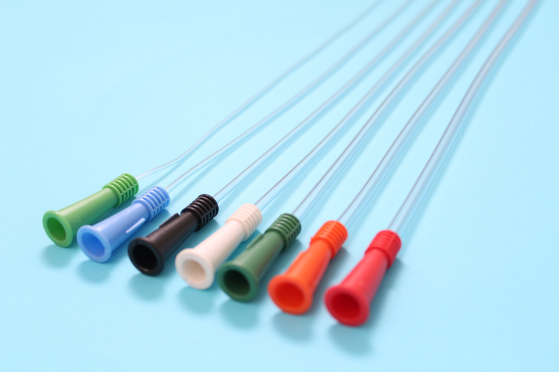
For patients unable to empty the bladder effectively, catheterization is an important option:
Proper technique and hygiene are essential to reduce infection risk (Bladder & Bowel UK)
Bladder and bowel dysfunction are common non‑motor symptoms of Parkinson's disease, but they do not have to define one's quality of life. With improved awareness, personalized care plans, and the right support, people living with PD can continue to be active, engaged, and confident in managing their symptoms.
By combining behavioral strategies, medication when appropriate, and catheter support for bladder emptying, many individuals experience greater comfort, independence, and dignity in their daily routines. The journey of managing Parkinson's symptoms may be ongoing, but each step toward understanding and adaptation brings meaningful progress.
For hospitals, clinics, distributors, and caregivers seeking practical solutions, high-quality continence care products can make a real difference. For example, BEVER Medical's range of intermittent catheters, including hydrophilic, pre-lubricated, and specialty designs for male, female, and pediatric needs, is designed to support safe, comfortable, and effective bladder management.

BEVER Medical also offers customized OEM Manufacturing for medical suppliers and distributors, allowing tailored solutions to meet specific clinical or institutional requirements. These products combine reliable performance with thoughtful features that help medical staff and patients maintain mobility and confidence while reducing infection risk and procedural discomfort.
As we observe April 11 World Parkinson's Disease Day, let us celebrate not only awareness but also resilience and resourcefulness. With continued medical progress, patient education, and access to appropriate tools and products, living well with Parkinson's disease is more achievable than ever.
Copyright © Hangzhou BEVER Medical Devices Co., Ltd.
The information provided on this website is intended for use only in countries and jurisdictions outside of the People's Republic of China.


