

 Deutsch
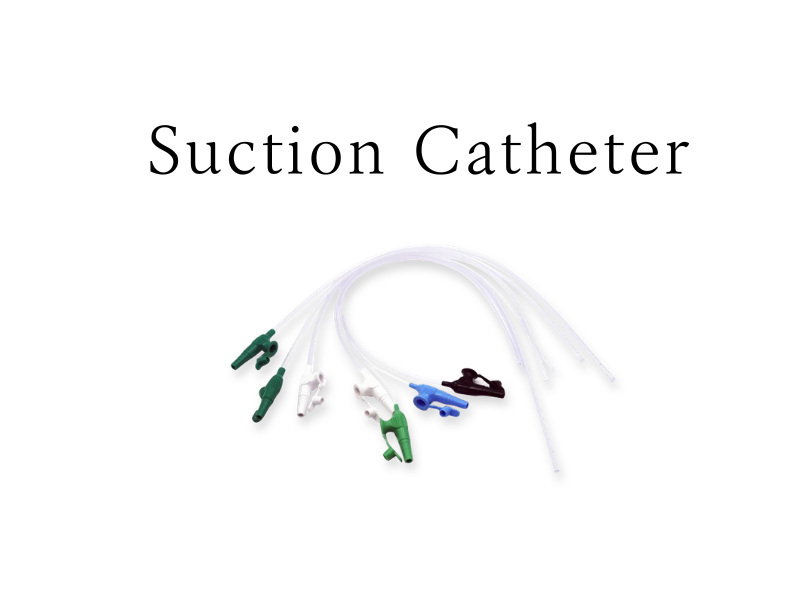
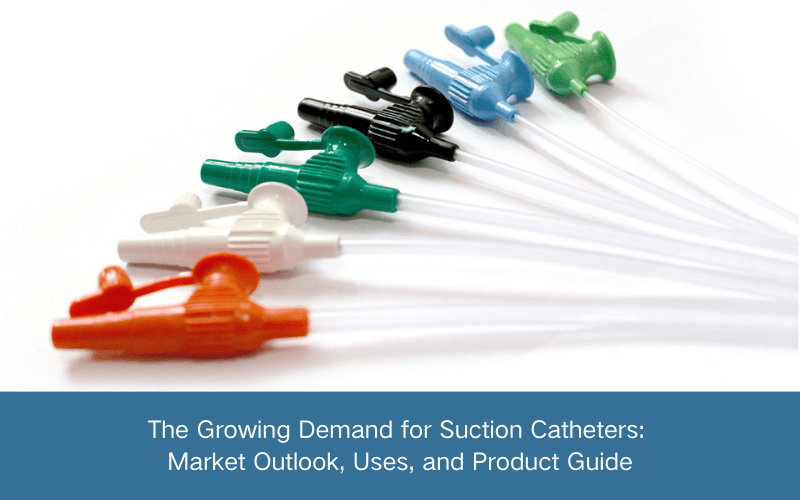
As global healthcare systems continue to evolve, demand for airway-management devices has increased steadily. Aging populations, the rising prevalence of chronic respiratory diseases, and the expansion of home-care and pre-hospital emergency services are driving the growth of disposable suction devices. Among these, the suction catheter remains one of the most widely used tools for clearing airway secretions in hospitals, clinics, and home-care environments. From emergency rooms to neonatal units, suctioning plays a key role in maintaining airway patency, preventing complications, and improving patient safety. As a result, the market increasingly favors suction catheters that offer greater softness, flexibility, precision, and safety. 1. What Is a Suction Catheter? A suction catheter is a sterile, flexible tube designed to remove mucus, secretions, or fluids from a patient's airway. It is typically inserted through the mouth, the nose, or a tracheostomy tube and connected to a suction source. When negative pressure is applied, the catheter helps clear the respiratory tract so the patient can breathe more easily. To be safe and effective, a suction catheter must meet several basic requirements: Softness and flexibility, allowing it to follow the natural airway curvature without causing trauma. Smooth surface, reducing friction against airway tissues. Multiple French sizes, suitable for neonates, children, and adults. Single-use sterile packaging, ensuring infection control and preventing cross-contamination. Because airway management is time-critical and patient comfort matters, a well-designed suction catheter directly improves clinical efficiency and safety. 2. Main Types of Suction Catheters on the Market Today's medical supply market offers a wide variety of suction catheters, each tailored to different clinical needs. The most commonly used designs differ in materials, tip shapes, and functions. A. Flexible Suction Catheter The flexible suction catheter is the standard type used across hospitals and long-term care facilities.Material: Usually medical-grade PVC or TPE for softness and kink resistance.Design: Long and bendable with rounded eyes or a straight tip; color-coded connectors help staff identify the French size instantly. Uses: ICU and emergency departments Tracheostomy care Home ventilator and respiratory supportIts versatility makes it the baseline choice for routine suctioning. B. Whistle Tip Suction Catheter The whistle tip suction catheter has a specially tapered, whistle-shaped tip with two smooth lateral eyelets.Material: Typically soft PVC or silicone for improved patient comfort.Design: The dual-eye configuration promotes smoother airflow, reduces the risk of catheter blockage, and minimizes mucosal trauma. Uses: Pediatric and neonatal care Frequent suctioning in sensitive airways Low-trauma settings where patient comfort is a priorityBecause it reduces localized pressure, clinicians often prefer it for delicate tissues. C. DeLee Suction Catheter The DeLee suction catheter also called a DeLee mucus trap is widely used in obstetric and neonatal settings.Material/Structure: Transparent tubing, a collection chamber, and a manual suction mouthpiece or bulb.Design: Allows controlled suction without relying on an electric suction machine; the integrated chamber safely traps secretions. Uses: Delivery rooms Newborn resuscitation Low-resource settings or emergency transportThis device is particularly valuable when clinicians need gentle, precise suctioning for newborns. D. Other Variants Depending on the clinical environment, additional design features may include: Thumb-control valves Anti-reflux connectors Graduated markings Tracheal-tube adaptersThese enhancements improve workflow efficiency and safety. 3. Recommended: BEVER Medical Suction Catheter Series As a supplier specializing in airway-management consumables, BEVER Medical offers a full line of suction catheters designed to meet global clinical standards. The product range covers all major types including flexible suction catheters, whistle tip suction catheters, and DeLee suction catheters making it a reliable choice for hospitals, distributors, and care facilities. Key Advantages of BEVER Medical Suction Catheters Full French size coverageFrom premature infants to adults, BEVER Medical provides a complete spectrum of catheter sizes, all color-coded for rapid identification in urgent situations. Multiple tip designs for specific clinical needs Whistle tip for safer, low-trauma suction Standard rounded tip for general airway care DeLee suction sets for newborn airway managementThis flexibility allows buyers to match product selection to exact clinical scenarios. High-quality medical materialsAll catheters use medical-grade PVC or TPE with softened edges, smooth surfaces, and reinforced flexibility to reduce the risk of kinking or airway irritation. Select models also feature silicone options for extra gentleness. Sterile, single-use packagingEach catheter is individually packaged to ensure strict infection-control standards and simplify storage and distribution. Strong compatibility and easy connectionStandard connectors fit most hospital suction systems. Optional components—such as transparent tubing or anti-reflux valves—are available for enhanced safety. Compliance and documentation supportBEVER Medical provides regulatory documentation, quality certifications, and technical sheets to meet international distribution requirements. Conclusion As respiratory care demands expand worldwide, suction catheters remain essential in hospitals, long-term care facilities, emergency services, and neonatal units. Understanding the differences between flexible suction catheters, whistle tip suction catheters, and DeLee suction catheters helps clinicians and buyers choose the right device for each patient. With high-quality materials, thoughtful designs, and a complete product range, BEVER Medical offers dependable suction catheter solutions for a variety of clinical environments and global markets.
View More +-
12 Dec 2025
-
27 Dec 2025
When evaluating suction catheters, many buyers focus on size, material, or sterility. However, one of the most underestimated factors influencing real-world performance is tip design. The shape, openings, and structure of the catheter tip play a critical role in suction efficiency, clog resistance, and overall reliability. This article explains how three common suction catheter tip designs—Standard Tip, Whistle Tip, and DeLee Tip—differ in structure and how those differences affect suction performance in various care environments. Why Tip Design Matters in Suction Catheters Suction efficiency is not determined by vacuum pressure alone. It depends on how effectively negative pressure is transmitted to secretions without causing blockage, collapse, or interruption of airflow. A well-designed tip should: Maintain continuous airflow Reduce the risk of occlusion Allow controlled, consistent suction Adapt to different secretion viscosities Even small design variations at the distal end can significantly influence performance. 1. Standard Tip Suction Catheters Design Characteristics Rounded or straight distal end One central opening with two side eyelets Symmetrical and simple structure Impact on Suction Efficiency The standard tip design provides balanced and predictable suction. The combination of a main opening and side eyelets helps maintain airflow even if one opening becomes partially blocked. Because of its simplicity, this design offers: Stable suction performance Lower manufacturing complexity Consistent results across batches Typical Use Considerations Standard tip suction catheters are widely used due to their versatility. They perform well in situations where secretions are moderate and uniform. From a procurement perspective, they are often the most cost-effective and universally accepted option. 2. Whistle Tip Suction Catheters Design Characteristics Angled distal opening Elongated, oval-shaped tip aperture Reduced number of side eyelets or none Impact on Suction Efficiency The angled opening of a whistle tip catheter is designed to: Improve directional suction Reduce adherence to flat surfaces Enhance suction efficiency when approaching secretions from the side This design can provide more focused suction, especially in situations where secretions tend to pool along surfaces. However, because airflow relies more heavily on the main opening, performance is highly dependent on: Tip angle precision Opening smoothness Edge finishing quality Poorly manufactured whistle tips may experience uneven suction or partial blockage. Typical Use Considerations Whistle tip designs are often selected when directional control and targeted suction are desired. Buyers should pay close attention to tip consistency and quality control, as minor variations can affect performance. 3. DeLee Tip Suction Catheters Design Characteristics Extended distal tip with multiple small openings Designed for controlled, gentle suction Often associated with lower localized pressure Impact on Suction Efficiency The DeLee tip distributes suction force across several smaller openings. This results in: Reduced localized vacuum intensity Lower risk of sudden blockage More controlled and gradual suction flow While overall suction force may feel less aggressive compared to standard or whistle tips, the design prioritizes flow stability and clog resistance. From an engineering standpoint, maintaining consistent hole size and spacing is critical. Variations can lead to uneven suction distribution. Typical Use Considerations DeLee tip catheters are commonly chosen when controlled suction is preferred over maximum force. For buyers, manufacturing precision and inspection standards are especially important for this design. Comparing Tip Designs at a Glance Tip Type Suction Focus Clog Resistance Manufacturing Sensitivity Standard Tip Balanced Moderate–High Low Whistle Tip Directional Moderate Medium DeLee Tip Distributed High High Key Considerations for Buyers and Distributors When sourcing suction catheters, tip design should be evaluated alongside: Material flexibility Eyelet smoothness Tip edge finishing Batch-to-batch consistency Suction efficiency is not just a design concept—it is the result of design execution and quality control. Two catheters with the same nominal tip type can perform very differently depending on manufacturing standards. Final Thoughts Understanding how tip design affects suction efficiency helps buyers make more informed sourcing decisions. Whether choosing a standard, whistle tip, or DeLee suction catheter, aligning design characteristics with intended use environments is essential for reliable performance. For manufacturers and suppliers, consistent tip geometry and inspection processes are key to delivering dependable suction catheters that meet market expectations.
View More +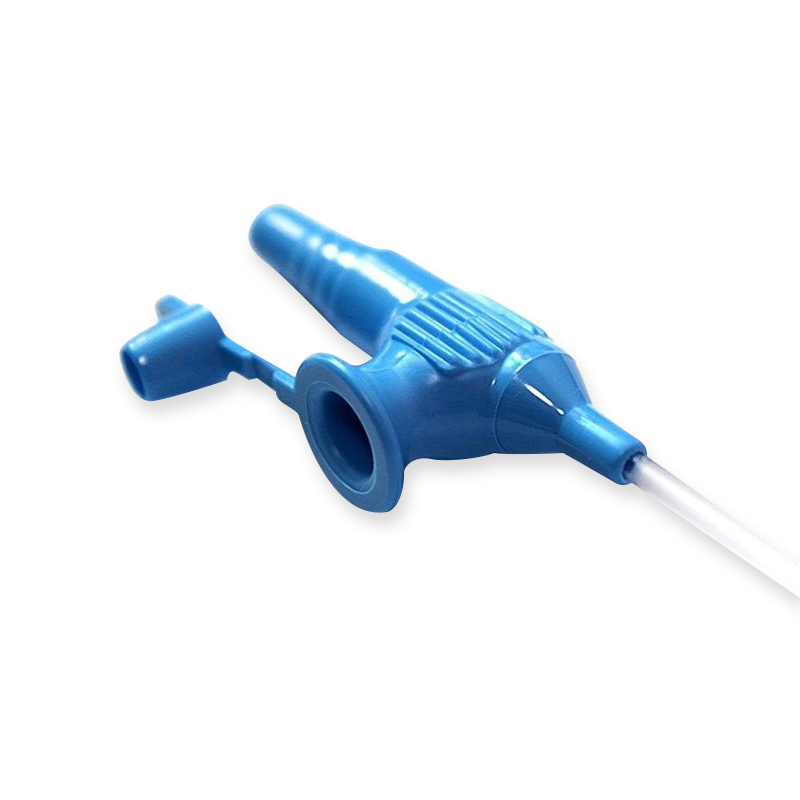
-
15 Jan 2026
Effective airway management depends heavily on the quality and design of the suction catheter being used. In clinical environments such as operating rooms, ICUs, emergency departments, and neonatal units, choosing the right suction catheter can directly impact patient safety, procedure efficiency, and clinical outcomes. Among the many designs available, whistle tip suction catheters and DeLee suction catheters are two commonly discussed options each serving very different clinical needs. This article explores which suction catheter provides the most competent suctioning, based on suction efficiency, safety, patient population, and clinical application, while also addressing considerations from a suction catheter factory and manufacturing perspective. What Does “Competent Suctioning” Mean in Clinical Practice? Competent suctioning is not simply about stronger suction. Clinically, it means achieving effective secretion removal while minimizing tissue trauma, hypoxia, and complications. The most competent suction catheter is therefore the one that best matches the clinical scenario, patient condition, and required suction control. Key factors that determine suction competence include: Tip design and lumen size Suction pressure distribution Catheter flexibility and material Patient age and airway sensitivity Clinical environment (emergency vs routine care) Whistle Tip Suction Catheter: Maximum Efficiency for Rapid Clearance The whistle tip suction catheter is designed for high-efficiency suctioning, particularly in situations where rapid removal of thick secretions, blood, or debris is required. Design Advantages Large open tip allows strong, direct suction High flow rate improves clearance speed Reduced clogging when handling viscous secretions Suitable for connection to standard suction systems Clinical Applications Whistle tip suction catheters are widely used in: Adult ICU airway management Emergency and trauma care Operating rooms Post-intubation secretion clearance Competence Assessment From a suctioning power perspective, the whistle tip suction catheter provides exceptional competence in situations requiring speed and efficiency. However, because suction force is concentrated at the tip, it must be used with proper pressure control to avoid mucosal injury. Best for: Adult patients Emergency and surgical suction Thick or heavy secretions DeLee Suction Catheter: Controlled and Gentle Suctioning The DeLee suction catheter was specifically developed for neonatal and pediatric airway care, where tissue fragility and pressure sensitivity are major concerns. Design Advantages Soft, flexible tubing to reduce trauma Designed for low-pressure, controlled suction Often used with a DeLee trap to improve secretion collection and infection control Ideal for oral and nasal suctioning in neonates Clinical Applications DeLee suction catheters are primarily used in: Delivery rooms Neonatal intensive care units (NICU) Pediatric airway management Newborn oral and nasal secretion clearance Competence Assessment While the DeLee suction catheter does not provide the strongest suction force, it delivers highly competent suctioning within a controlled and safe range. For neonates, this controlled performance is far more important than suction strength alone. Best for: Newborns and premature infants Gentle suction requirements High-risk airways Whistle Tip vs DeLee: Which Is More Competent? Comparison Factor Whistle Tip Suction Catheter DeLee Suction Catheter Suction Strength Very high Low to moderate Suction Control Requires careful regulation Naturally controlled Patient Population Adults Neonates & pediatrics Trauma Risk Moderate if misused Very low Primary Goal Speed and efficiency Safety and gentleness Conclusion: The most competent suction catheter depends on the patient and clinical goal. For rapid, high-efficiency suctioning, the whistle tip suction catheter is superior. For safe, controlled suctioning in fragile airways, the DeLee suction catheter is the most competent choice. The Role of a Reliable Suction Catheter Factory Regardless of design, suction competence also depends on manufacturing quality. A professional suction catheter factory ensures: Medical-grade PVC or silicone materials Consistent lumen diameter and tip formation Smooth edges to reduce mucosal injury Compliance with FDA, CE, and ISO standards Reliable OEM and private-label production Hospitals and distributors increasingly value suction catheter factories that can provide stable supply, batch consistency, and regulatory documentation, in addition to competitive pricing. Final Thoughts There is no single suction catheter that is universally “the most competent” for all situations. Competence lies in appropriate application. The whistle tip suction catheter excels in efficiency and power, while the DeLee suction catheter sets the standard for gentle, neonatal-safe suctioning. For healthcare providers, understanding these differences improves clinical outcomes. For distributors and procurement professionals, working with an experienced suction catheter factory ensures that both designs meet the highest standards of safety, performance, and reliability.
View More +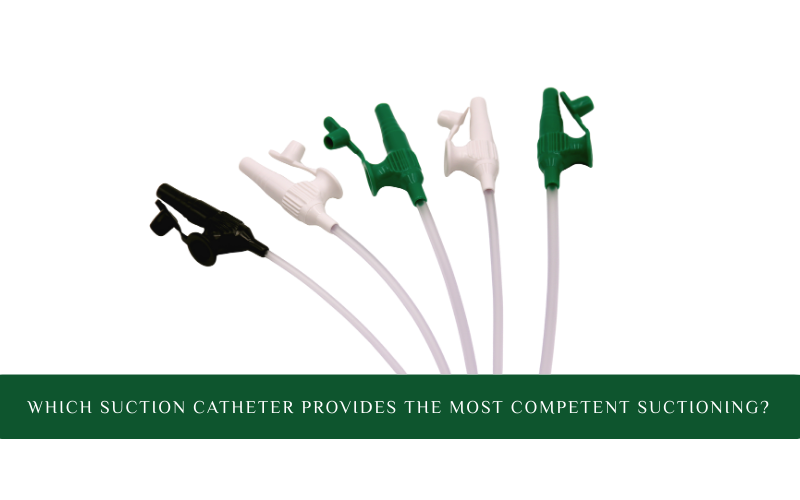
-
27 Mar 2026
It's dangerous for patients who cannot effectively cough or clear mucus for a long time. Healthcare providers should take quick measures. In this situation, suction devices are one of the useful devices for removing secretions. This tool can greatly enhance patient comfort and breathing efficiency. There are two types of suction catheters, open and closed ones. In this article, we focus on the open suction catheter. What Is Exactly an Open Suction Catheter An open suction catheter is a thin, flexible, sterile tube designed to remove secretions from the airway. It connects to suction tubing and a vacuum source that pulls fluids into a collection container. The catheter is typically made from soft medical-grade plastic that allows it to bend easily while being inserted into the airway. Each catheter is sterile and intended for single use to reduce the risk of infection. Open suction catheters are commonly used in: hospitals emergency departments intensive care units long-term care facilities home respiratory care The catheter is inserted through an endotracheal tube, tracheostomy tube, or sometimes the nose or mouth to reach the airway where secretions collect. Basic Components of an Open Suction Catheter Most open suction catheters include several important parts: Flexible catheter tube:This is the long portion that enters the airway. It is smooth and flexible to minimize irritation. Connector end:The connector attaches to suction tubing connected to a suction machine. Control port or vent:This small opening controls when suction is applied. Covering the opening activates suction. Side holes near the tip:These help remove mucus efficiently while reducing trauma to airway tissue. Some models, such as the suction catheter with fingertip control, allow caregivers to control suction by covering a small opening with a finger. This enables intermittent suction and helps prevent excessive pressure. Another example is the Graduated suction catheter, which includes measurement markings along the tube. These markings help clinicians estimate how deep the catheter has been inserted. How an Open Suction Catheter Works Open suctioning removes secretions using negative pressure from a suction machine. During the procedure, a sterile catheter is inserted into the airway. When suction is applied, mucus and other fluids are drawn through the catheter and into a collection container. Healthcare providers usually follow several basic steps: Connect the catheter to the suction tubing. Insert the catheter gently into the airway without applying suction. Cover the control port to activate suction. Slowly withdraw the catheter while rotating it. This technique allows secretions to be removed while reducing irritation to the airway lining. Each suction attempt typically lasts 10 to 15 seconds to avoid reducing oxygen levels in the patient. What Are the Advantages of Open Suctioning? Open suctioning remains widely used in clinical practice because it is simple and effective. Although closed suction systems are common in intensive care units, open suction catheters still play an important role in respiratory care. Simple Equipment Open suctioning requires only basic equipment: suction machine sterile catheter suction tubing collection container Because the setup is straightforward, the procedure can be performed quickly in many clinical settings. Cost-Effective Open suction catheters are disposable and relatively inexpensive compared with some closed suction systems. This makes them widely available in hospitals and care facilities. Effective Airway Clearance Open suctioning provides direct access to the airway. This allows clinicians to remove mucus or fluid effectively. Clearing secretions can: improve airflow reduce breathing effort prevent mucus plugs support better oxygen exchange Flexible Clinical Use Open suction catheters can be used in many healthcare environments, including emergency care and home respiratory support. Nursing Skills Training Video This video demonstrates airway suctioning techniques commonly taught in nursing education. Clinical Uses of an Open Suction Catheter Open suction catheters are used when patients cannot remove airway secretions on their own. In healthy individuals, coughing clears mucus naturally. However, certain medical conditions may weaken the cough reflex or increase mucus production. Mechanical Ventilation Patients receiving mechanical ventilation are unable to cough normally because of the breathing tube. Suctioning helps remove mucus and keeps the airway clear. Tracheostomy Care Patients with a tracheostomy often need regular suctioning. Secretions can accumulate inside the tracheostomy tube and block airflow. Respiratory Infections Conditions such as pneumonia or bronchitis can produce large amounts of mucus. When the patient cannot cough effectively, suctioning may be necessary. Neuromuscular Conditions Diseases that affect muscle strength can weaken the ability to cough. Examples include: amyotrophic lateral sclerosis (ALS) spinal cord injuries severe stroke In these cases, suctioning helps maintain airway hygiene and breathing. Emergency Airway Management In emergency situations, secretions, blood, or vomit may obstruct the airway. Suctioning is often used to clear the airway before further treatment. Clinical Training Example This training video illustrates safe suctioning techniques and common precautions used in clinical practice. When to Occlude the Side Opening of a Suction Catheter Many suction catheters include a small opening called a control port or thumb port. This opening allows clinicians to control when suction pressure is applied. Pro tips to insert: Insert the catheter without applying suction. Cover the control port to activate suction. Withdraw the catheter slowly while suctioning. Applying suction during insertion can irritate airway tissues and increase the risk of injury. Therefore, suction is generally applied only during catheter withdrawal. Conclusion Open suction catheters play a vital role for patients who cannot effectively clear secretions on their own. Before using, one must know the difference between closed and open suction catheters. While open suctioning is simple to use, please also follow safety guidelines to minimize risks and ensure patient well-being.
View More +