


 Deutsch
Call Us
TEl: +86-13148388090
Fax:+86-571-88616515

Effective airway management depends heavily on the quality and design of the suction catheter being used. In clinical environments such as operating rooms, ICUs, emergency departments, and neonatal units, choosing the right suction catheter can directly impact patient safety, procedure efficiency, and clinical outcomes.
Among the many designs available, whistle tip suction catheters and DeLee suction catheters are two commonly discussed options each serving very different clinical needs. This article explores which suction catheter provides the most competent suctioning, based on suction efficiency, safety, patient population, and clinical application, while also addressing considerations from a suction catheter factory and manufacturing perspective.
Competent suctioning is not simply about stronger suction. Clinically, it means achieving effective secretion removal while minimizing tissue trauma, hypoxia, and complications. The most competent suction catheter is therefore the one that best matches the clinical scenario, patient condition, and required suction control.
Key factors that determine suction competence include:
The whistle tip suction catheter is designed for high-efficiency suctioning, particularly in situations where rapid removal of thick secretions, blood, or debris is required.

Whistle tip suction catheters are widely used in:
From a suctioning power perspective, the whistle tip suction catheter provides exceptional competence in situations requiring speed and efficiency. However, because suction force is concentrated at the tip, it must be used with proper pressure control to avoid mucosal injury.
Best for:
The DeLee suction catheter was specifically developed for neonatal and pediatric airway care, where tissue fragility and pressure sensitivity are major concerns.
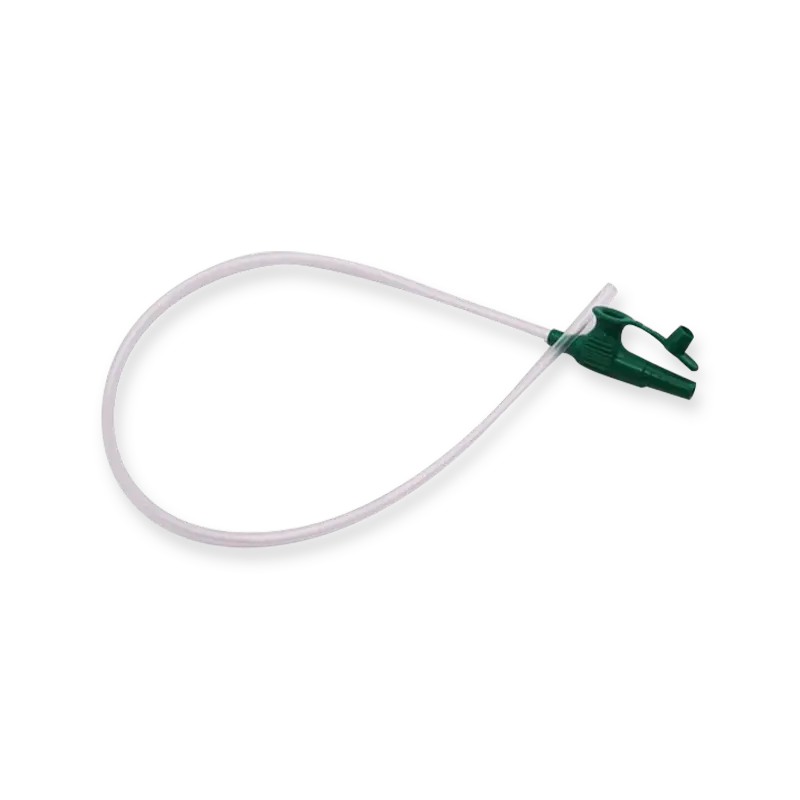
DeLee suction catheters are primarily used in:
While the DeLee suction catheter does not provide the strongest suction force, it delivers highly competent suctioning within a controlled and safe range. For neonates, this controlled performance is far more important than suction strength alone.
Best for:
| Comparison Factor | Whistle Tip Suction Catheter | DeLee Suction Catheter |
| Suction Strength | Very high | Low to moderate |
| Suction Control | Requires careful regulation | Naturally controlled |
| Patient Population | Adults | Neonates & pediatrics |
| Trauma Risk | Moderate if misused | Very low |
| Primary Goal | Speed and efficiency |
Safety and gentleness |
Conclusion:
The most competent suction catheter depends on the patient and clinical goal.
For rapid, high-efficiency suctioning, the whistle tip suction catheter is superior.
For safe, controlled suctioning in fragile airways, the DeLee suction catheter is the most competent choice.
Regardless of design, suction competence also depends on manufacturing quality. A professional suction catheter factory ensures:
Hospitals and distributors increasingly value suction catheter factories that can provide stable supply, batch consistency, and regulatory documentation, in addition to competitive pricing.
There is no single suction catheter that is universally “the most competent” for all situations. Competence lies in appropriate application. The whistle tip suction catheter excels in efficiency and power, while the DeLee suction catheter sets the standard for gentle, neonatal-safe suctioning.
For healthcare providers, understanding these differences improves clinical outcomes. For distributors and procurement professionals, working with an experienced suction catheter factory ensures that both designs meet the highest standards of safety, performance, and reliability.
Copyright © Hangzhou BEVER Medical Devices Co., Ltd.
The information provided on this website is intended for use only in countries and jurisdictions outside of the People's Republic of China.


