

 Deutsch
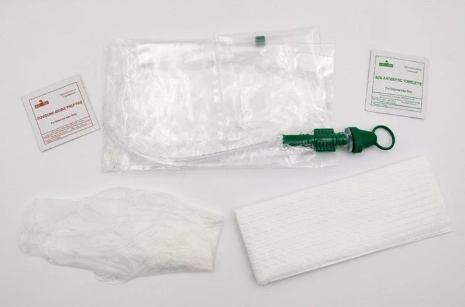
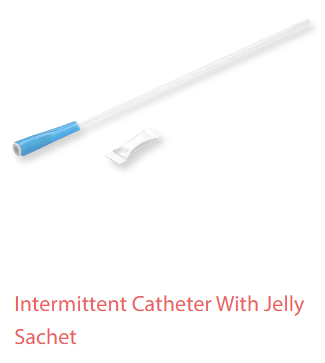
Intermittent catheterization is a common procedure for individuals who experience difficulty emptying their bladder. This process involves inserting a catheter, a flexible tube, into the bladder through the urethra to allow urine to drain. This method is often used by people with neurological conditions, bladder dysfunction, or after certain surgeries. To ensure safety and comfort, it is essential to follow specific intermittent catheter instructions and use proper lubrication such as catheter jelly or catheter lidocaine jelly. 1. Intermittent Catheter Instructions Intermittent catheterization can be performed by patients themselves or with the help of caregivers. Following detailed instructions is critical to avoid complications like urinary tract infections (UTIs) or discomfort. Here is a general guide for intermittent catheter use: A. Hygiene: Always start by washing your hands thoroughly with soap and water. Ensure the catheter and surrounding equipment are sterile or as clean as possible. B. Preparation: Position yourself comfortably. This could be sitting or lying down, depending on what works best for you. Ensure that you have all necessary supplies, including the catheter, catheter jelly (or lidocaine jelly if prescribed), gloves, and a container for urine collection if needed. C. Catheter Insertion: Apply catheter jelly to the catheter to make the insertion smoother and more comfortable. Gently insert the catheter into the urethra until urine begins to flow. This indicates that the catheter has reached the bladder. D. Urine Drainage: Allow the urine to drain completely before slowly removing the catheter. Be careful to withdraw the catheter steadily to avoid injury. E. Cleaning and Disposal: Clean the area around the urethra with sterile wipes or a clean cloth, and discard the used catheter if it's a single-use product. Following these instructions can help minimize discomfort and prevent common complications. 2. The Importance of Catheter Jelly Catheter jelly is a water-soluble lubricant that plays an essential role in intermittent catheterization. Its primary purpose is to reduce friction during catheter insertion, thereby minimizing discomfort and reducing the risk of injury to the urethral lining. The lubrication also helps prevent trauma that might occur from repeated catheter use, especially in patients who must self-catheterize multiple times a day. Catheter jelly is specifically designed for medical use, meaning it is sterile and free of irritants that could cause infection or inflammation. Unlike household lubricants, catheter jelly is formulated to be gentle on sensitive areas and is easy to clean off with water. 3. Catheter Lidocaine Jelly for Pain Management For some patients, especially those who find catheterization painful or uncomfortable, catheter lidocaine jelly may be prescribed by healthcare providers. Lidocaine is a local anesthetic that can temporarily numb the urethra, making the insertion of the catheter less painful. Lidocaine jelly offers dual benefits: A. Lubrication: It functions like regular catheter jelly by reducing friction during catheter insertion. B. Anesthetic Effect: The lidocaine component numbs the urethral area, significantly reducing discomfort and pain for patients who are sensitive or anxious about the procedure. It's important to use catheter lidocaine jelly as directed by a healthcare professional. The jelly is usually applied directly onto the catheter or into the urethra before catheterization. The anesthetic effect kicks in within minutes, ensuring a more comfortable experience. 4. Choosing the Right Jelly for Your Needs Selecting between regular catheter jelly and catheter lidocaine jelly depends on your specific condition and comfort level. For patients who experience minimal discomfort during catheterization, regular sterile jelly might be sufficient. However, for those who find the procedure painful, lidocaine jelly can be an effective solution to reduce anxiety and discomfort. Always consult with your healthcare provider before switching between different types of lubricants, as they can recommend the best option based on your medical history and preferences. 5. Preventing Infections and Complications Intermittent catheterization, while generally safe, can sometimes lead to complications if not performed correctly. Here are some tips to minimize the risks: A. Sterility: Use sterile catheters whenever possible, and always ensure your hands are clean before handling any equipment. B. Proper Lubrication: Using enough catheter jelly (or lidocaine jelly) is crucial to prevent injury to the urethra. C. Regular Catheter Changes: Follow your healthcare provider's instructions regarding how often to catheterize and change the catheter to avoid infection or irritation. 6. Final Thoughts Intermittent catheterization is a safe and effective way to manage bladder issues when done properly. By following the intermittent catheter instructions and using the appropriate catheter jelly or catheter lidocaine jelly, patients can perform this routine comfortably and with fewer risks. Always consult with a healthcare professional to ensure you are using the correct supplies and technique tailored to your specific medical needs. Ultimately, whether you're using catheterization for a temporary or chronic condition, understanding how to properly perform the procedure and use the right materials will enhance your comfort and safety. A good tip is to search for qualified professional intermittent catheter manufacturers and make inquiries, for instance going to their websites to study if there catheters meet specifications and needs. Their websites are available such as the one from Hangzhou Bever Medical Devices Co., Ltd.
View More +-
15 Oct 2024
-
14 Oct 2024
In this article we share with you information about in-out catheter for female patients. In-out catheter is also called intermittent catheter. The use of a female intermittent catheter in a female patient require us to be familiar with female urinary tract system so that the insertion of the intermittent catheter is done correctly. Intermittent Catheter Definition Catheters used for intermittent catheterization are called intermittent catheters or in-out catheters. An intermittent catheter is a type of medical device used to drain urine from the bladder. It is inserted temporarily through the urethra into the bladder to allow urine to flow out, and then it is removed once the bladder is empty. Unlike an indwelling (Foley) catheter, which stays in the bladder for extended periods, an intermittent catheter is used only when needed, typically for individuals who have trouble emptying their bladder on their own, such as those with urinary retention or certain neurological conditions. Intermittent catheterization is often preferred because it reduces the risk of urinary tract infections (UTIs) and is more comfortable for long-term use compared to having a permanent catheter in place. People may use it several times a day, depending on their needs. Actually intermittent catheters produced by a professional manufacturer can be obtained by contacting them or visiting their website. On their websites such as the one from Hangzhou Bever Medical Devices Co., Ltd. you can access detailed information like specifications, sizes, etc. Intermittent Catheter Used in a Female Patient Intermittent catheterization is a common medical procedure used to drain urine from the bladder, particularly in individuals who have difficulty voiding on their own due to various medical conditions. This procedure is widely practiced in male and female patients, with specific considerations for each gender. This section will focus on using intermittent catheters in female patients, discussing the procedure, its benefits, and important tips for safe and effective use. Understanding Intermittent Catheterization Intermittent catheterization involves inserting a thin, flexible tube (catheter) into the urethra to drain urine from the bladder. This procedure is typically performed several times a day, as needed, to ensure the bladder does not become overly full or distended. For female patients, the urethra is shorter and more straightforward compared to males, making catheterization generally easier and less complex. However, proper technique and hygiene are still crucial to prevent infection and other complications. Benefits of Intermittent Catheterization Intermittent catheterization offers several benefits for female patients, including: 1) Improved Bladder Emptying: It ensures complete emptying of the bladder, reducing the risk of urinary retention and associated complications. 2) Reduced Risk of Infection: By performing catheterization only when necessary, the risk of chronic urinary tract infections is lowered compared to indwelling catheters. 3) Increased Comfort and Mobility: Intermittent catheterization allows patients to maintain their daily activities and routines without the restrictions of a permanent catheter. 4) Cost-Effectiveness: Over time, intermittent catheterization can be more cost-effective than continuous catheterization methods. How to Use Intermittent Catheter in a Female Patient 1) Preparation Wash your hands thoroughly with soap and water. Ensure you have a clean, dry surface to work on and assemble all necessary supplies, including the catheter, lubrication (water-based or sterile gel), a container for urine collection, and cleaning supplies. Clean the genital area with mild, unscented soap and water. Pat dry gently. 2) Insertion Open the catheter package and check for any defects or damage. Apply a small amount of lubrication to the tip of the catheter. Position yourself comfortably, often in a semi-sitting or squatting position. This can help relax the muscles and make insertion easier. Insert the catheter into the urethra gently. For female patients, the urethral opening is located just below the clitoris. Advance the catheter slowly until urine begins to flow. 3) Drainage Allow the bladder to empty. This may take a few seconds to a minute depending on the bladder's fullness. Collect the urine in the designated container. 4) Removal Once urine flow stops, gently pull the catheter out of the urethra. Dispose of the catheter and any used supplies in a proper medical waste container. 5) Post-Procedure Care Clean the genital area again with mild soap and water. Wash your hands thoroughly after handling the catheter and urine. Drink plenty of fluids to promote frequent urination and help flush out any bacteria. Important Tips for Safe and Effective Use 1) Follow Hygiene Protocols: Always wash your hands before and after catheterization to prevent the spread of bacteria. 2) Use Sterile Catheters: For uncomplicated use, single-use, sterile catheters are recommended to minimize the risk of infection. 3) Monitor for Signs of Infection: Pay attention to any symptoms of a urinary tract infection, such as fever, chills, pain, or an unusual odor in the urine. 4) Stay Hydrated: Drinking enough fluids helps keep the urine dilute, reducing the risk of infection and stones. 5) Regular Follow-Up: Schedule regular appointments with your healthcare provider to monitor your condition and adjust your catheterization schedule as needed.
View More +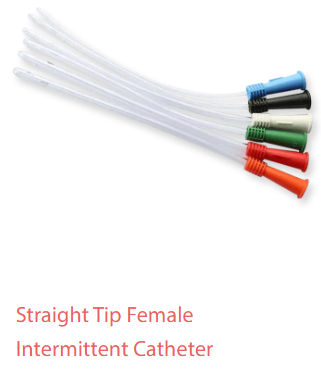
-
01 Oct 2024
There are people who cannot voluntarily control their urinary discharge. So it is important for people to receive continence care. In this article we will discuss continence care meanings and the medical products available for continence care. Urinary continence is the ability to voluntarily control urinary discharge. Urinary incontinence refers to the loss of bladder control. People with urinary incontinence feel embarrassed when they leak urine by accident and therefore will sometimes avoid engaging in normal activities. Fortunately urinary continence care is available to stop or control incontinence. When the problem is mild you occasionally leak urine when you cough or sneeze; if it is severe you don’t get to the toilet in time when there’s a sudden and strong urge to urinate. Male urinary system: Male urinary system includes the kidneys, ureters, bladder and urethra. The kidneys filter waste and liquids from the blood and produce urine. Urine enters the bladder through narrow tubes from the kidneys. These tubes are called ureters. The bladder stores urine until it is time to urinate. Urine is removed from the body through the urethra (basically a small tube). Female urinary system: Female urinary system includes the kidneys, ureters, bladder and urethra. The kidneys filter waste and liquids from the blood and produce urine. Urine enters the bladder through narrow tubes from the kidneys. These tubes are called ureters. The bladder stores urine until it is time to urinate. Urine is removed from the body through the urethra (basically a small tube). Symptoms of urinary incontinence A. Stress incontinence. When you cough, sneeze, laugh, exercise or lift heavy things there’s pressure exerted on your bladder. This pressure exertion causes urine leaks. B. Urge incontinence. Due to incontinence, involuntary loss of urine occurs whenever you feel a sudden, intense urge to urinate. You may also experience frequent urination, including during the night. The cause of urge incontinence include infection and a severe condition such as a neurological disorder or diabetes. C. Overflow incontinence. Because your bladder does not empty completely, there is frequent or constant dribbling of urine. D. Functional incontinence. If you have a physical or mental impairment such as severe arthritis, you may have difficulty making it to the toilet in time. E. Mixed incontinence. A combination of stress incontinence and urge incontinence. Causes of urinary incontinence 1) Pregnancy. During pregnancy you undergo hormonal changes, and the fetus weight increases. Due to these stress incontinence happens. 2) Childbirth. Muscles, nerves and tissues for bladder control can be damaged by vaginal delivery, resulting in incontinence. 3) Aging. Bladder muscle ages too, which impairs its ability to store urine. Also when we are older involuntary bladder contractions happens more frequently. 4) Menopause. Health of lining of the bladder and urethra is deteriorated after menopause; this aggravates incontinence. 5) Benign prostate hyperplasia (the prostate grows as men age). 6) Prostate cancer. Prostate cancer treatment sometimes has the side effect of incontinence. 7) Obstruction. Urinary tract tumors can hinder normal urine flow, leading to incontinence. Urinary stones in the bladder can sometimes cause urine leakage. 8) Damage to nerves that control the bladder, by diseases such as multiple sclerosis, Parkinson's disease, a stroke, a brain tumor or a spinal injury. Continence care meanings and means for continence care The meaning of continence care refers to the means available for supporting a person with incontinence problems, such as incontinence pads, catheters, stoma bags, convenes and commodes. Here we focus on catheters, training and behavioral adoption. 1) Medical treatment A. Indwelling Catheters An indwelling catheter is a flexible tube placed in your bladder. An "indwelling" catheter stays in your bladder all day and night. A balloon holds the tube in your bladder. Indwelling catheters drain urine into a bag outside the body. B. Catheters for Intermittent Catheterization Intermittent catheterization is also called "in and out" catheterization. A catheter is inserted in the urethra 3 to 5 times a day. You can get catheters and other supplies, such as lubricant, packaged together. These packages are helpful if you need to use the catheter at work. Image of an actual hydrophilic coated intermittent catheter C. Medications can be prescribed by your doctor to help with bladder control problems. Talk with your doctor about what medication works for you best. 2) Bladder control training Pelvic muscle exercise (also known as Kegel exercises) strengthens the muscles that support the bladder, which improves your ability to hold urine in the bladder and avoid leaks. 3) Behavioral and lifestyle changes If you can try to adopt a healthier lifestyle the benefits are significant. Losing weight, quitting smoking and alcohol, choosing water instead of other drinks, and limiting amount of drinks taken before bedtime can mitigate bladder problems. A person with incontinence is advised not to lift heavy objects. There are bladder control products available too, such as disposable briefs or underwear, furniture pads, and urine deodorizing pills. People with urinary incontinence feel embarrassed when they leak urine by accident. For this reason the medical industry has come up with urinary continence care, for instance catheterization, which mitigates the problem; you can insert a catheter (a soft tube) into your urethra several times a day to drain your bladder. There are disposable and reusable catheters available on the market. Expertise advice on how to choose and use appropriate disposable catheters is available on website of specialized catheter manufacturer: https://www.bevermedical.com
View More +
-
28 Sep 2024
As people age, various health conditions can lead to the need for a urinary catheter. For elderly patients, a urinary catheter can be a crucial tool for managing incontinence, relieving bladder pressure, or allowing for proper urine drainage during certain medical procedures. Why Are Urinary Catheters Used in Elderly Patients? Urinary catheters are often used in elderly patients for a variety of reasons. Urinary incontinence When an elderly patient is unable to control their bladder, a urinary catheter can help to drain urine from the bladder and prevent accidental leakage. Bladder dysfunction Conditions such as an enlarged prostate or nerve damage can lead to bladder dysfunction, making it difficult for the bladder to empty fully. A urinary catheter can help to drain urine from the bladder and prevent urinary retention. Medical procedures During certain medical procedures, such as surgery or diagnostic tests, a urinary catheter may be necessary to drain urine from the bladder and prevent it from accumulating during the procedure. Types of Elderly Patient Urinary Catheters There are several types of elderly patient urinary catheters, each with its own unique features and benefits. 1) Intermittent Catheters Intermittent catheters are designed for short-term, one-time use. They are typically used by patients who need to empty their bladder periodically but do not require continuous catheterization. Intermittent catheters are available in a variety of sizes and materials, including latex, silicone, and hydrophilic-coated options. They are easy to insert and remove, making them a convenient option for elderly patients who are able to self-catheterize. 2) Indwelling Catheters Indwelling catheters, also known as Foley catheters, are designed for long-term use. They are inserted into the bladder through the urethra and remain in place for an extended period of time, typically several days to weeks. Indwelling catheters have a small balloon at the tip that is inflated once the catheter is in place to prevent it from slipping out. These catheters are often used in elderly patients who are unable to empty their bladder on their own or who require continuous monitoring of urine output. 3) Suprapubic Catheters Suprapubic catheters are another type of indwelling catheter that is inserted directly into the bladder through the abdominal wall, rather than through the urethra. This type of catheter is typically used in elderly patients who have difficulty with urethral catheterization due to urethral strictures or other anatomical issues. Suprapubic catheters can also be used in patients who are at risk of developing urinary tract infections (UTIs) due to long-term indwelling catheterization. 4) Coude Catheters Coude catheters are a specialized type of catheter that has a curved tip, which makes them easier to insert in patients with anatomical abnormalities or strictures in the urethra. These catheters are often used in elderly patients who have difficulty with standard catheterization due to these issues. Coude catheters are available in both intermittent and indwelling forms. Elderly Patient Urinary Catheter Materials Urinary catheters are a common medical device used to drain urine from the bladder in elderly patients who are unable to do so on their own. These catheters are made from a variety of materials, each with its own unique properties and benefits. 1) Latex Latex is a popular material for urinary catheters due to its flexibility and durability. However, it is important to note that some patients may be allergic to latex, which can cause skin irritation or more severe reactions. For this reason, many manufacturers now offer non-latex alternatives for patients with latex allergies. 2) Silicone Silicone is another popular material for urinary catheters. It is known for its soft, smooth texture and low incidence of allergic reactions. Silicone catheters are often considered more comfortable for patients, as they are less likely to cause irritation or discomfort during insertion and removal. Additionally, silicone is a durable material that can withstand repeated use and cleaning. 3) Polyvinyl Chloride (PVC) Polyvinyl chloride (PVC) is a synthetic plastic material that is also used to make urinary catheters. PVC catheters are known for their low cost and ease of use, making them a popular choice for many healthcare providers. 4) Hydrophilic-Coated Materials Some urinary catheters are coated with a hydrophilic material, which is designed to absorb water and become slippery when wet. This makes insertion and removal easier and more comfortable for patients. Hydrophilic-coated catheters are available in a variety of materials, including silicone and PVC. 5) Nitinol Nitinol is a unique material that is used to make some specialized urinary catheters. Nitinol is a nickel-titanium alloy that has shape memory properties, meaning it can return to its original shape after being deformed. This makes nitinol catheters particularly well-suited for patients with anatomical abnormalities or strictures in the urethra, as they can be shaped to fit the patient's unique anatomy. Differences between Elderly Patient Urinary Catheters and Regular Ones There are some differences between elderly patient urinary catheters and regular ones. Size and shape One of the main distinguishing points between elderly patient urinary catheters and regular adult urinary catheters is their size and shape. Elderly patients often have smaller urethras and bladders due to age-related changes, such as atrophy and reduced muscle tone. As a result, urinary catheters designed for elderly patients are typically smaller and narrower in diameter than regular adult urinary catheters. This helps to reduce discomfort and the risk of injury during insertion and use. Materials Another distinguishing point between elderly patient urinary catheters and regular adult urinary catheters is the materials used in their construction. Elderly patients may have sensitive skin or allergies that make them more prone to irritation or allergic reactions to certain materials. As a result, urinary catheters designed for elderly patients often use softer, more hypoallergenic materials, such as silicone or latex-free materials, to minimize the risk of irritation or allergic reactions. Features In addition to size and materials, urinary catheters designed for elderly patients may also have special features that are not found in regular adult urinary catheters. For example, some elderly patient urinary catheters may have a longer length to accommodate the patient's anatomy or a larger balloon to help secure the catheter in place. Others may have special coatings or additives that help to reduce the risk of infection or promote healing. Ease of use Another distinguishing point between elderly patient urinary catheters and regular adult urinary catheters is the ease of use. Elderly patients may have difficulty with dexterity, vision, or cognitive function, which can make it challenging to insert, manage, or empty a urinary catheter. As a result, urinary catheters designed for elderly patients are often designed with features that make them easier to use, such as larger handles, clear markings, or easy-to-use valves. Elderly Patient Urinary Catheter Use Instructions Elderly patient urinary catheter use instructions are important for ensuring proper care and safety: Sterilize equipment Before inserting the catheter, make sure that all equipment, including the catheter and insertion tray, is sterile. Cleanse the area Cleanse the patient's urethral area with soap and water or a sterile cleansing solution to reduce the risk of infection. Lubricate the catheter Apply a water-based lubricant to the tip of the catheter to make insertion easier and more comfortable. Insert the catheter Gently insert the catheter into the patient's urethra. Avoid using excessive force, as this can cause injury. In the case of the use of an indwelling catheter After insertion, follow the steps below: Inflate Balloon: If using an indwelling catheter, inflate the balloon with sterile water or saline according to the manufacturer's instructions. This will secure the catheter in place. Secure Catheter: Tape the catheter to the patient's leg or abdomen to prevent it from being accidentally pulled out. Monitor and Clean Monitor the catheter site for signs of infection, such as redness, swelling, or discharge. Regularly monitor the patient's urine output to ensure that the catheter is working properly and that the patient is not retaining urine. Maintain hygiene Keep the catheter and surrounding area clean and dry to reduce the risk of infection. Removal When it is time to remove the catheter, gently pull it out of the urethra. Do not force it, as this can cause discomfort or injury. Considerations for Using Elderly Patient Urinary Catheters Considerations for using elderly patient urinary catheters need to be heeded when using a urinary catheter in an elderly patient. Risk of infection Urinary catheters can increase the risk of urinary tract infections (UTIs). Make sure to follow proper hygiene protocols and monitor the patient for signs of infection, such as fever, pain, or changes in urine color or odor. Experienced manufacturer implement technologies that promote sterility, for example Hangzhou Bever Medical Device Co. Ltd. (www.bevermedical.com) Professional, sterile catheters from Hangzhou Bever Medical Device Co. Ltd. Discomfort and pain Urinary catheters can cause discomfort or pain, particularly during insertion or if the catheter becomes dislodged. Regularly assess the patient's comfort level and adjust the catheter as needed. Blockages and clots Urinary catheters can become blocked or clogged with debris or clots, which can prevent urine from draining properly. Regularly check the catheter for blockages and flush it as needed. Mobility and dexterity Elderly patients may have difficulty with mobility or dexterity, which can make it challenging to manage a urinary catheter. Provide assistance and support as needed to ensure that the patient can properly care for their catheter. Kindly Reminders The use of a urinary catheter in elderly patients can be an effective way to manage incontinence, bladder dysfunction, and other urinary issues. However, it's important to follow proper elderly patient urinary catheter use instructions and considerations for using elderly patient urinary catheters to ensure patient safety and comfort. By taking these factors into account, healthcare providers can help elderly patients successfully manage their urinary catheter and maintain optimal urinary health.
View More +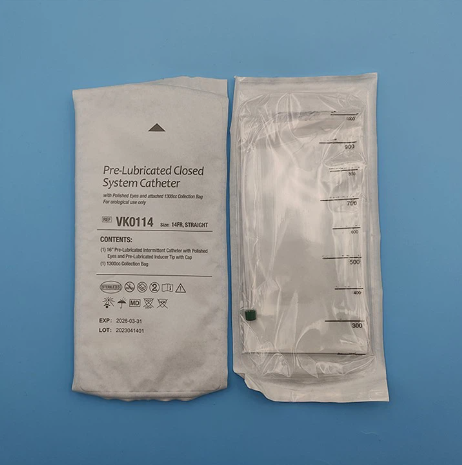
-
27 Sep 2024
For people with inability to voluntarily control urination, there is a need to explore what medical care there is to solve their problem. For this reason, understanding intermittent catheterization is very useful information for these people because it introduces one of the most common ways to solve the incontinence problem. What Is Catheterization A catheter is a thin, flexible tube made from latex, silicone, PVC (Polyvinyl Chloride), etc., which is inserted into the bladder, a blood vessel, or other body cavity or duct. Catheterization is a procedure that involves the insertion of a catheter. Catheterization serves various purposes such as draining fluids, delivering medications, or performing diagnostic tests. A urinary catheter is inserted into the bladder through the urethra to drain urine. Catheterization using a urinary catheter helps patients with problems such as urinary retention, bladder dysfunction, etc. A vascular catheter is inserted into a blood vessel to deliver medications or perform diagnostic procedures such as angiography. What Is Intermittent Catheterization In intermittent catheterization, a urinary catheter is inserted into the patient’s bladder to drain urine from it on an as-needed basis, rather than continuously. It is indwelling catheterization that involves a urinary catheter kept in the bladder for extended periods or continuously, usually days or weeks Intermittent catheterization is performed periodically, as needed, to empty the bladder and prevent urinary retention. By contrast, during indwelling catheterization there is a urine collection bag connected to the catheter that collects urine as it is produced. When to Use Intermittent Catheterization The follow case illustrates when intermittent catheterization is used instead of indwelling catheterization. Short-term bladder dysfunction: If a patient is experiencing temporary bladder dysfunction, such as after surgery or due to a medical condition that is expected to improve, intermittent catheterization may be used as a temporary solution until the patient's bladder function returns to normal. When to Use Indwelling Catheterization If a patient requires continuous bladder drainage, then indwelling catheterization is used, for instance, in the following cases. Spinal cord injuries or neurological disorders: Patients with spinal cord injuries or neurological disorders that affect bladder function may require indwelling catheterization for long-term or even permanent bladder drainage. Patient preference or inability to perform intermittent catheterization: Some patients may prefer indwelling catheterization due to the convenience or may be physically unable to perform intermittent catheterization on their own. Intermittent Catheterization Products The medical devices used for intermittent catheterization are called intermittent catheters. Please see their descriptions below. Straight tip catheters These are the most common type of intermittent catheterization catheter. They have a straight tip and are available in a range of sizes and materials. Illustrating what a straight tip catheter is (offered by Hangzhou Bever Medical Device Co., Ltd.) Coude tip catheters Coude tip catheters have a curved tip that is designed to navigate around obstructions in the urethra, such as a stricture or a prostate enlargement. They are often used by patients who have difficulty inserting a straight tip catheter. A typical Coude tip catheter from Hangzhou Bever Medical Device Co., Ltd. Hydrophilic coated catheters Hydrophilic coated catheters are coated with a substance that becomes slippery when wet. This makes them easier to insert and can reduce discomfort during the catheterization process. There is a sterile water sachet containing water applied to the catheter to activate the slippery property of the coat material. A hydrophilic coated catheter Closed system catheters Closed system catheters are designed to reduce the risk of infection. They feature a closed drainage bag that is attached to the catheter, eliminating the need to transfer urine from the catheter to an open container. When choosing an intermittent catheter it is important to keep in mind that the catheter must have sterile features, is made with medical grade materials, and has been approved by certifying organizations. Finding a competent, qualified manufacturer usually addresses these concerns, for example Hangzhou Bever Medical Device Co., Ltd.’s many years of experience offers safe and effective catheterization solutions (www.bevermedical.com). Uses of Intermittent Catheterization If the patient has any of the following medical conditions, their natural ability to urinate might be impaired to such a degree that intermittent catheterization needs to be used to solve the problem. Neurogenic bladder A condition caused by nerve damage, typically due to spinal cord injury, multiple sclerosis, or other neurological disorders. Urinary retention The inability to completely empty the bladder, often leading to discomfort, urinary frequency, and increased risk of infection. Bladder dysfunction Issues with the bladder's muscles or nerves that can affect its ability to store and release urine properly. Intermittent Catheterization Use Instructions Intermittent catheterization is a relatively straightforward procedure that can be performed by the individual themselves or with the assistance of a caregiver. Preparation As a preparation for intermittent catheterization, you need to have all necessary supplies ready, such as a sterile catheter, lubricant, a container for collecting urine, and cleaning supplies. Remember to wash your hands thoroughly with soap and water before starting. Cleaning the Urethra Gently clean the urethral opening with soap and water or a recommended cleanser to reduce the risk of infection. Lubrication Apply a small amount of lubricant to the tip of the catheter to make insertion easier and more comfortable. Insertion Hold the urethral opening open slightly with one hand to assist with insertion; the other hand holds the catheter and inserts it into the urethra. Guide the catheter gently down the urethra until urine begins to flow. Drainage Allow the urine to drain into the collection container. It's essential to drain the bladder completely to prevent urine retention and reduce the risk of infection. Removal Withdraw the catheter from the urethra slowly. It should slide out smoothly, and do not use jerky movements during withdrawing lest it causes discomfort or injury to the patient. Cleaning Up Clean the urethral area again and dispose of the catheter and urine container properly. Wash your hands thoroughly after the procedure is finished. Closing Remarks The above different sections of the article have covered various aspects of the topic of understanding intermittent catheterization so that you can make informed decision about and can benefit optimally from this medical care means. We are glad if the article enhances your knowledge and improves your experiences.
View More +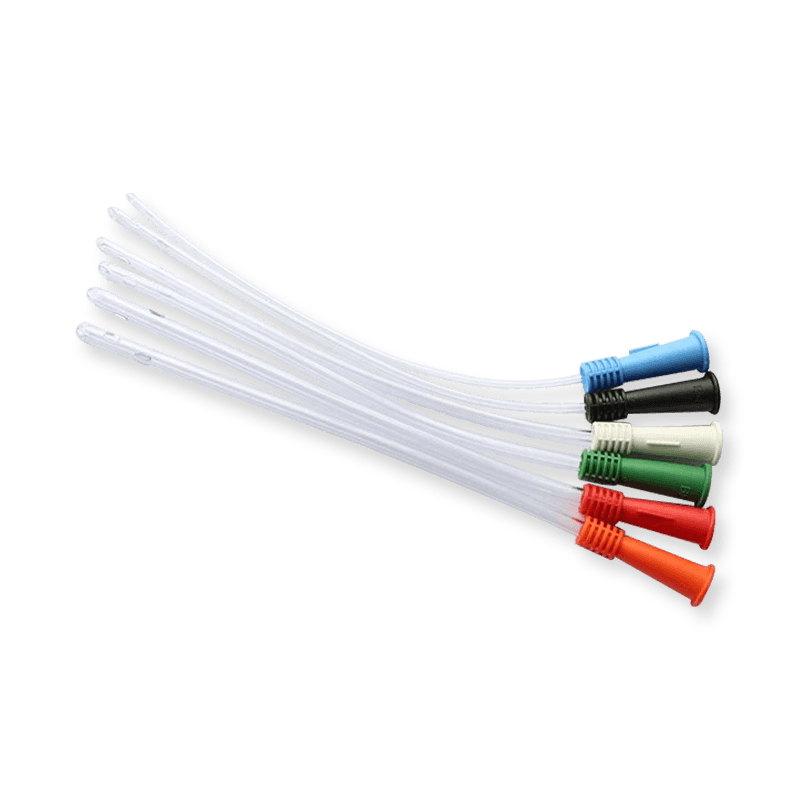
-
25 Sep 2024
Pediatric urinary catheters are medical devices used to drain urine from the bladder of children who are unable to urinate naturally. The use of these catheters can be essential for managing a variety of medical conditions, including urinary retention, urinary tract infections, and congenital abnormalities. However, the use of pediatric urinary catheters also comes with important considerations and instructions that parents and caregivers need to be aware of. Types of Pediatric Urinary Catheters Pediatric urinary catheters are available in a variety of types, each designed to meet the unique needs of pediatric patients. Some of the most common types of pediatric urinary catheters are: Foley Catheter A Foley catheter is a type of indwelling urinary catheter that remains in the bladder for an extended period of time. It consists of a flexible tube with a balloon at the end that is inflated with water or air to hold the catheter in place. Foley catheters are commonly used in pediatric patients who require long-term catheterization due to conditions such as spinal cord injuries, congenital abnormalities, or chronic urinary retention. Coude Catheter A Coude catheter is a specialized type of urinary catheter that has a curved tip. This curved tip makes it easier to navigate through the urethra, particularly in patients with anatomical abnormalities or strictures that make it difficult to insert a straight catheter. Coude catheters are often used in pediatric patients with urethral strictures or other conditions that make catheterization challenging. Suprapubic Catheter A suprapubic catheter is a type of urinary catheter that is inserted through the skin directly into the bladder. This catheter bypasses the urethra, making it a good option for pediatric patients who have difficulty urinating due to urethral strictures, trauma, or other conditions. Suprapubic catheters are typically used in children who require long-term catheterization and have not responded well to other types of catheters. Intermittent Catheter An intermittent catheter is a type of urinary catheter that is inserted into the bladder only when needed to drain urine. These catheters are typically smaller and more flexible than indwelling catheters, making them a good option for pediatric patients who only require catheterization occasionally. Intermittent catheters are often used in children with neurogenic bladder, a condition in which the bladder does not empty properly due to nerve damage. Pediatric Urinary Catheter Materials Pediatric urinary catheters are made from a variety of materials, each with its own unique properties and benefits. Silicone Silicone is a popular material used to make pediatric urinary catheters. It is known for its soft, flexible, and non-irritating properties, making it a good choice for use in sensitive areas such as the urethra. Silicone catheters are also biocompatible, meaning that they are well-tolerated by the body and unlikely to cause allergic reactions. Additionally, silicone is resistant to bacterial growth, which can help reduce the risk of infection. Polyurethane Polyurethane is another material commonly used to make pediatric urinary catheters. Like silicone, polyurethane is soft and flexible, making it easy to insert and remove. It is also biocompatible and resistant to bacterial growth. Polyurethane catheters are often used in patients who require long-term catheterization, as they can be left in place for extended periods of time without causing discomfort or irritation. Latex Latex is a traditional material that has been used to make urinary catheters for many years. However, it is less commonly used in pediatric urinary catheters today due to concerns about allergies and sensitivity. Some children may experience an allergic reaction to latex, which can cause irritation, redness, and discomfort. As a result, healthcare providers often recommend using silicone or polyurethane catheters instead of latex in pediatric patients. Red Rubber Red rubber is another traditional material that has been used to make urinary catheters. Like latex, red rubber is less commonly used in pediatric urinary catheters today due to the availability of more modern, synthetic materials. Red rubber catheters are typically less expensive than silicone or polyurethane catheters, but they may not be as comfortable or well-tolerated by pediatric patients. Coated Materials Some pediatric urinary catheters are made with coated materials that are designed to improve patient comfort and reduce the risk of infection. For example, some catheters are coated with a hydrophilic coating that becomes slippery when wet, making them easier to insert and remove. Other catheters may be coated with an antibacterial agent that helps to prevent the growth of bacteria on the catheter surface. Pediatric Urinary Catheters Compared with Adult Urinary Catheters While the basic function of urinary catheters is the same for both pediatric and adult patients, there are significant differences in the sizes and designs of these devices. Size and Length Differences Size difference Typical pediatric catheter diameters range from 6 Fr to 10 Fr. 6 Fr to 8 Fr is for infants and very young children. 8 Fr to 10 Fr is often used for older children. In contrast, grown-up urinary catheters can range in size from 8F to 24F or larger, with diameters ranging from 2.7 mm to 8 mm or more. Length difference Typical pediatric catheter length is around 20-30 cm (8-12 inches). Male catheters’ length are typically 40-45 cm (16-18 inches). Female catheters’ lengths are usually around 20 cm (8 inches) or shorter. Design Differences In addition to size differences, pediatric urinary catheters may also have different designs than grown-up urinary catheters. Pediatric catheters are often designed with softer, more flexible materials to reduce the risk of discomfort or injury during insertion and removal. They may also have smaller, more rounded tips to minimize irritation to the urethra. Grown-up urinary catheters, on the other hand, may be made with sturdier materials and have larger, more rigid tips to facilitate insertion in adult patients. Choosing the Right Size Choosing the right size of urinary catheter for a pediatric patient is crucial for ensuring proper drainage and minimizing discomfort. A catheter that is too small may not be able to drain urine effectively, while a catheter that is too large may cause irritation or injury to the urethra. Healthcare providers will typically use a variety of factors to determine the appropriate size of a pediatric urinary catheter, including the patient's age, weight, and underlying medical conditions. In some cases, a trial and error approach may be necessary to find the best-fitting catheter for a particular patient. If you are interested in learning more details about catheters designed specifically for children, here is a website of an experienced manufacturer: Hangzhou Bever Medical Device Co. Ltd. (www.bevermedical.com) Pediatric Urinary Catheter from Hangzhou Bever Medical Device Co. Ltd. Pediatric Urinary Catheter Use Instructions Pediatric urinary catheter use instructions involves the procedures described as follows. Preparation Before inserting a pediatric urinary catheter, it is important to wash your hands thoroughly with soap and water. This will help reduce the risk of introducing bacteria into the child's urinary tract. Lubrication Apply a water-based lubricant to the tip of the catheter to make insertion easier and more comfortable for the child. Avoid using oil-based lubricants, as they can damage the catheter and increase the risk of infection. Positioning Position the child comfortably on their back with their legs slightly apart. You may need to use a blanket or towel to support the child's legs and keep them in place during the procedure. Insertion Gently insert the catheter into the child's urethra, being careful not to force it. If the catheter meets resistance, stop and check your positioning or consult with a healthcare provider. If the catheter used is an indwelling catheter, after insertion you need to: Inflate Balloon: If using an indwelling catheter, inflate the balloon with sterile water or saline according to the manufacturer's instructions. This will secure the catheter in place. Secure Catheter: Tape the catheter to the patient's leg or abdomen to prevent it from being accidentally pulled out. Monitor and Clean Regularly monitor the catheter site for signs of infection, such as redness, swelling, or discharge. Clean the catheter and the surrounding area with soap and water as directed by a healthcare provider. Removal When it is time to remove the catheter, gently pull it out of the child's urethra. Do not force it, as this can cause discomfort or injury. Considerations for Using Pediatric Urinary Catheters This section is devoted to considerations for using pediatric urinary catheters, since only the proper use of this medical device yields the intended outcome for pediatric patients. Comfort Pediatric urinary catheters can be uncomfortable for children, especially during insertion and removal. It is important to be gentle and reassuring during the procedure, and to provide distractions or pain relief as needed. Infection The use of urinary catheters can increase the risk of urinary tract infections (UTIs). It is important to follow proper hygiene practices, such as washing hands before and after touching the catheter, and to monitor the child for signs of infection, such as fever, increased urination, or pain in the urinary tract. Long-term use Children who require long-term catheterization may be at increased risk for complications, such as bladder stones or bladder spasms. It is important to work closely with a healthcare provider to monitor the child's condition and adjust the catheterization plan as needed. Psychological impact The use of urinary catheters can have a significant psychological impact on children, particularly those who are older and more aware of their condition. It is important to provide emotional support and counseling to help children cope with the challenges of catheterization. Concluding remarks Pediatric urinary catheterization is special, so healthcare providers, parents and caregivers should be informed of the above key points such as differences from adult catheters, use instructions and considerations in order to ensure that the child has a safe and comfortable experience with pediatric urinary catheterization.
View More +