

 Deutsch
The Amy Nasopharyngeal Airway—also known as the Amy Nasopharyngeal Airway Tube—is widely used in emergency and tactical environments. It is standard equipment in military field medical kits, tactical emergency care training, and wilderness rescue teams. Its ease of insertion and dependable design make it ideal for maintaining airway patency when oral access is limited. Material Types of Amy Nasopharyngeal Airways PVC Nasopharyngeal Airway Medical-grade PVC offers a practical combination of flexibility and strength. It is commonly used in large-volume procurement programs, EMS kits, and military distribution systems. Silicone Nasopharyngeal Airway Silicone NPAs provide maximum softness and biocompatibility. They minimize irritation and are frequently selected by hospitals, anesthesia departments, and advanced rescue units. Functional Design Variations Fixed-Flange Nasopharyngeal Airway (Classic Amy Design) The traditional Amy-style NPA includes a fixed flange that prevents over-insertion. It is valued for its simplicity, reliability, and consistent performance in field conditions. Silicone Adjustable Nasopharyngeal Airway The PVC Adjustable Nasopharyngeal Airway includes a movable flange that allows depth adjustment. This design increases adaptability when treating different patient profiles and reduces the number of fixed sizes needed in compact kits. Professional Sizing Guide for Nasopharyngeal Airway Tubes Common Sizing Recommendations Patient Type Size Range (Fr) Small adults / older adolescents 20–24 Fr Average adults 26–30 Fr Larger adults 32–36 Fr Length Estimation Method A useful field technique is measuring from the nostril to the earlobe or the angle of the mandible to approximate ideal NPA length. Key Considerations During Sizing Select a size that ensures comfort and airflow. Use sufficient lubrication. If resistance occurs, switch nostrils rather than forcing placement. Position the bevel toward the nasal septum. Application Scenarios and Precautions Typical Application Scenarios Tactical emergency training Remote or wilderness rescue Prehospital airway support Situations where oral airway access is limited Precautions and Suitable Use Avoid use in the presence of significant nasal trauma. Evaluate carefully in suspected mid-face injuries. Monitor for discomfort or bleeding during insertion. Use only by personnel with appropriate training. Amy Nasopharyngeal Airway Solutions from BEVER Medical Silicone Adjustable Nasopharyngeal Airway Medical-grade silicone construction Soft and flexible for improved tolerance Adjustable flange for depth control Smooth beveled tip for easy insertion Available in a full range of French sizes Silicone Nasopharyngeal Airway Ultra-soft, medical-grade silicone Enhanced patient comfort EO-sterilized Optional pre-lubricated version Pre-Lubricated Nasal Airway (PVC or Silicone) Ready-to-use format Efficient for EMS, military, and rescue kits Multiple sizes for various patient needs BEVER Medical supports distributors, military procurement teams, emergency-response suppliers, and global medical device brands with consistent manufacturing quality and reliable product availability.
View More +-
19 Nov 2025

-
01 Dec 2025
A nasopharyngeal airway (NPA), often called a "nasal trumpet," might look simple, but it plays a vital role in ensuring safe and effective breathing. This soft, hollow tube is inserted gently through the nostril into the upper throat, creating a direct passage for air when a patient's natural airway is at risk. Unlike oral airways, NPAs are well-tolerated by patients who are semi-conscious or have an intact gag reflex, making them invaluable in emergency and clinical care. How an NPA Works Think of the NPA as a tiny, invisible highway for air. When a patient's tongue or soft tissues collapse backward, airflow can be blocked. By holding these tissues aside, the NPA ensures oxygen reaches the lungs effortlessly. Key Functions of an NPA Facilitate oxygen delivery and ventilation Allow gentle suctioning of mucus and secretions Serve as temporary support when oral access is limited, such as after facial trauma or during swelling In practice, this simple device can make a significant difference, bridging the gap between basic airway management and more advanced interventions (Starship Hospital Guidelines, StatPearls). A Quick Look at Its Evolution Introduced in the late 1950s, the NPA has evolved from a simple rubber tube to a flexible, anatomically designed PVC device. Modern designs include soft material, flared ends to prevent over-insertion, and sizes suitable for both children and adults. These improvements enhance patient comfort while reducing complications, making NPAs a standard in emergency medicine, anesthesia, and intensive care. When to Use an NPA NPAs are especially useful in situations where airway compromise is likely, and oral devices are unsuitable: Typical Scenarios Semi-conscious or drowsy patients Those who cannot tolerate oral airways Patients with limited mouth opening due to swelling, trauma, or dental procedures During oxygen therapy or bag-valve-mask ventilation For clearing secretions in the nasopharyngeal region By providing a safe, minimally invasive pathway for airflow, NPAs help ensure patients can breathe comfortably and reliably. Potential Risks and How to Avoid Them While NPAs are generally safe, they must be used properly. Common Risks Nasal bleeding or mucosal injury Improper placement causing obstruction Rare but serious complications, such as intracranial insertion in skull base fractures These risks can be minimized by selecting the correct size, using soft PVC material, lubricating the tube, inserting gently along the nasal floor, and monitoring the patient continuously. Choosing the Right NPA The ideal NPA balances safety, comfort, and effectiveness. Selection Guidelines Proper length: reaches from nostril to roughly the earlobe Soft, flexible PVC with a beveled tip Flanged ends to prevent over-insertion Regular monitoring for displacement or irritation Following these simple rules ensures the device works as intended while keeping the patient comfortable. Why BEVER Medical PVC NPA Stands Out BEVER Medical offers high-quality PVC NPAs designed with both patient comfort and clinical practicality in mind. Their tubes are soft and flexible, with safety flanges and multiple sizes for all ages. Whether used for emergency airway management, oxygen delivery, or temporary support, BEVER NPAs make clinical procedures smoother and safer, reflecting years of experience in medical device design. Conclusion The nasopharyngeal airway may be a small device, but its impact is enormous. By providing a safe passage for airflow, it protects patients when their natural airway is compromised. With careful selection, proper insertion, and reliable monitoring, NPAs are a trusted tool in hospitals, clinics, and emergency care settings. BEVER Medical's PVC NPAs bring comfort, safety, and efficiency together, ensuring every breath counts.
View More +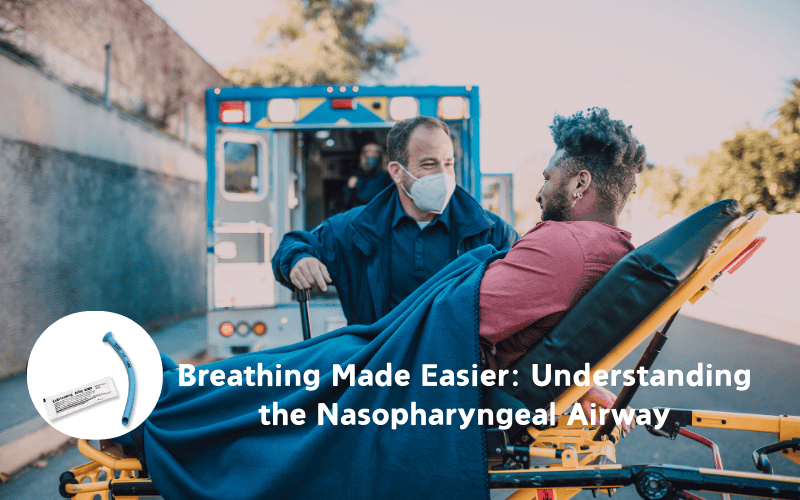
-
15 Dec 2025
Maintaining a patent airway is a fundamental priority in emergency care, anesthesia, and critical care. Among basic airway adjuncts, nasopharyngeal airways (NPA) and oropharyngeal airways (OPA) are widely used to help prevent upper airway obstruction caused by soft tissue collapse. Although these devices are simple in concept, their effective use depends on understanding not only when to use them, but also why they are designed the way they are. This article explores NPA and OPA from a practical perspective, focusing on application scenarios, material selection, and design philosophy, and concludes with guidance on patient suitability. 1.Understanding NPA and OPA Nasopharyngeal airways (NPA) are inserted through the nasal passage and extend into the nasopharynx to maintain airflow. Oropharyngeal airways (OPA), by contrast, are inserted through the mouth and rest over the tongue to prevent it from occluding the airway. Both devices are intended to support spontaneous breathing and are commonly used as temporary airway adjuncts in emergency and clinical settings. 2. NPA and OPA Clinical Application Scenarios The choice between NPA and OPA is driven primarily by patient condition and tolerance. NPA is often used in patients who are semi-conscious or who retain protective airway reflexes. Because it bypasses the oral cavity, it is generally better tolerated and less likely to provoke gagging in these patients. NPA is also useful when oral access is limited due to clenched teeth, oral trauma, or restricted mouth opening. OPA is typically indicated for unconscious patients who lack a gag reflex. In these cases, OPA provides reliable tongue displacement and helps maintain airway patency with minimal resistance. In emergency and prehospital environments, the clinical setting itself also influences device selection. Time pressure, patient cooperation, and limited resources often favor the device that can be placed quickly and safely while minimizing complications. 3.Materials Used in NPA and OPA Material selection for nasopharyngeal airways (NPA) and oropharyngeal airways (OPA) is based on anatomical pathways and clinical use rather than a fixed material rule. PVC is widely used for NPA due to its cost-effectiveness and suitability for single-use applications. Pre-lubricated PVC NPA are commonly adopted to support smoother nasal insertion in emergency and routine care settings. Medical-grade silicone NPA are also available when enhanced softness and patient tolerance are required, particularly for sensitive patients. PVC OPAairways OPA are predominantly manufactured from PVC for disposable clinical use, as they are typically applied in unconscious patients for short-term airway support where firmness and stable tongue displacement are essential. Silicone OPA exist mainly in limited or reusable formats and are not commonly used in routine disposable airway management. 4.Design Philosophy Behind NPA and OPA The design of airway adjuncts reflects anatomical and functional considerations. NPA is designed with a gentle curvature to follow the natural anatomy of the nasal passage. Features such as a flared proximal end or adjustable flange help prevent over-insertion and enhance positioning safety. Length and diameter options allow clinicians to select an appropriate size for different patient populations. OPA design focuses on effective tongue displacement while minimizing pressure on oral structures. The curved profile mirrors oral anatomy, and reinforced bite sections help maintain patency even in patients with jaw movement. These design elements are not arbitrary; they are intended to balance airway effectiveness with patient safety and tolerance. 5.Advantages and Limitations of NPA and OPA Advantages of NPA Better tolerance in semi-conscious patients Can be used when oral access is limited Useful in prehospital and emergency settings Limitations of NPA Risk of nasal trauma or bleeding Contraindicated in suspected basilar skull fracture Advantages of OPA Simple and effective in unconscious patients Reliable tongue control and airway opening Limitations of OPA Poor tolerance in conscious or semi-conscious patients Risk of gagging, vomiting, or aspiration if misused Understanding these strengths and limitations helps reduce complications and improve clinical outcomes. 6.Patient Groups and Device Selection No single airway adjunct is appropriate for all patients. NPA is often better suited for patients who are partially conscious, elderly, or unable to tolerate oral devices. OPA remains a valuable option for deeply unconscious patients who require immediate and effective airway support. Ultimately, airway adjunct selection should be based on patient assessment, risk evaluation, and clinical context rather than habit or convenience. 7.BEVER Medical Nasopharyngeal Airway Solutions To support diverse clinical requirements, BEVER Medical offers a range of nasopharyngeal airway products designed with different materials and functional features. These include adjustable NPA designs that allow flexible positioning, PVC NPA with pre-lubricated surfaces for ease of insertion, and medical-grade silicone NPA options developed to enhance patient comfort and biocompatibility. By offering multiple configurations, BEVER Medical aims to support clinicians in selecting airway solutions that align with specific patient needs and care environments. Conclusion Nasopharyngeal and oropharyngeal airways are essential tools in basic airway management, but their effective use depends on informed clinical judgment. Understanding application scenarios, material properties, and design intent allows healthcare professionals to select the most appropriate device for each patient. In airway management, the right choice is rarely about the device alone it is about matching design and function to the clinical situation.
View More +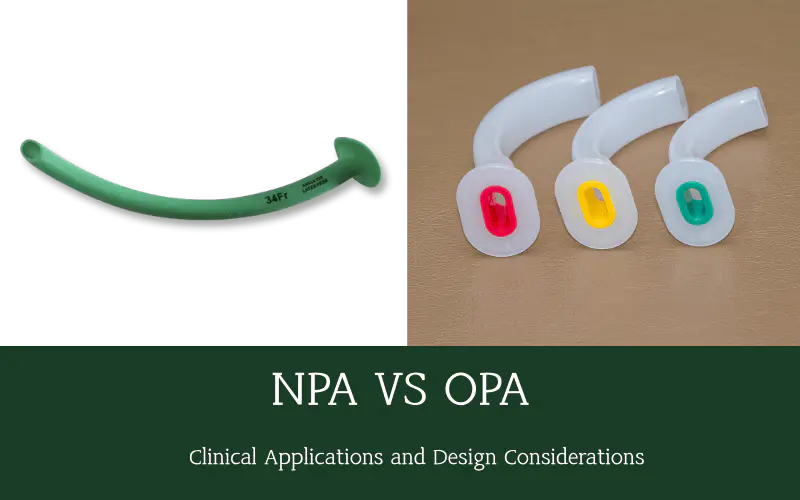
-
08 Jan 2026
In airway management, selecting the appropriate airway adjunct is critical for ensuring patient safety, improving ventilation efficiency, and supporting clinical workflows. The nasopharyngeal airway (NPA) is a widely used device across emergency medicine, anesthesia, and critical care settings. For hospitals, EMS providers, and medical distributors, understanding when and why NPAs are used is essential for proper product selection, inventory planning, and clinical standardization. Overview of the Nasopharyngeal Airway A nasopharyngeal airway is a flexible tube inserted through the nasal passage to maintain upper airway patency. It creates a clear airflow channel by bypassing the tongue and relaxed soft tissues, reducing the risk of airway obstruction in patients with compromised airway tone. NPAs are commonly manufactured from medical-grade PVC or silicone, offering flexibility, biocompatibility, and cost efficiency. Standard design features include a beveled distal tip for atraumatic insertion and a proximal flange to prevent over-insertion. Primary Clinical Indications 1.Partial Upper Airway Obstruction NPAs are primarily indicated for patients experiencing partial airway obstruction, often due to reduced muscle tone caused by sedation, neurological impairment, or trauma. Unlike more invasive airway devices, NPAs provide effective airway support while allowing spontaneous breathing. 2.Patients With an Intact Gag Reflex Compared with oropharyngeal airways (OPAs), NPAs are better tolerated in conscious or semi-conscious patients. This expands their clinical applicability and reduces the risk of gagging or vomiting. 3.Emergency and Prehospital Applications In EMS and emergency department settings, NPAs are widely used as a first-line airway adjunct in trauma, overdose, or acute respiratory compromise. Their rapid deployment and minimal training requirements make them essential disposable airway consumables. 4.Procedural Sedation and Anesthesia Support NPAs are commonly used during procedural sedation in dental clinics, endoscopy units, and ambulatory surgery centers, where airway tone may be reduced but invasive airway management is not indicated. 5.Post-Anesthesia and Recovery Care In postoperative recovery units, NPAs help prevent airway collapse, particularly in patients with obstructive sleep apnea (OSA) or obesity, reducing the need for continuous manual airway maneuvers. Special Use Scenarios NPAs are particularly valuable in patients with trismus, jaw clenching, oral trauma, or neurological impairment, where oral airway placement is difficult or contraindicated. With proper sizing, they are suitable for pediatric, adult, and geriatric patients. Contraindications and Risk Management NPAs should not be used in patients with: Suspected basilar skull fracture Severe nasal or midface trauma Significant nasal obstruction or active epistaxis Clear labeling, IFU documentation, and clinical training are essential to mitigate misuse. Importance of Sizing and Product Selection Correct sizing is critical for ensuring airway effectiveness and minimizing complications such as epistaxis or inadequate ventilation. Clinically, NPA length is typically measured from the nostril to the tragus of the ear or the angle of the mandible. From a procurement and distribution perspective, offering a complete and clearly labeled size range is essential for supporting multi-department clinical use. Nasopharyngeal Airway Size Chart (Reference) French Size (CH / Fr) Internal Diameter (mm) Typical Patient Group CH 12 4.0 mm Infant / Small Child CH 14 4.7 mm Child CH 16 5.3 mm Small Adult / Adolescent CH 18 6.0 mm Adult (Average) CH 20 6.7 mm Large Adult CH 22 7.3 mm Large Adult / Bariatric Note: Final size selection should always be based on clinical assessment and institutional protocols. For detailed specifications, available sizes, materials, and packaging options, please refer to our Nasopharyngeal Airway product page. For suppliers and OEM partners, consistent sizing standards, smooth surface finish, adequate lubrication compatibility, and packaging options (sterile or non-sterile) are key product differentiation factors. Benefits for Healthcare Facilities and Distributors From a B2B perspective, nasopharyngeal airways offer: Broad clinical applicability across departments High patient tolerance Low unit cost and high inventory turnover Minimal training requirements Compatibility with existing airway management systems These attributes make NPAs a core SKU in emergency and anesthesia product portfolios. Conclusion The nasopharyngeal airway is a reliable, versatile airway adjunct widely used across emergency care, anesthesia, and recovery settings. Understanding clinical indications, contraindications, and correct sizing enables healthcare providers, distributors, and OEM partners to make informed decisions that support patient safety and operational efficiency. When integrated into standardized airway management protocols, NPAs deliver consistent clinical and commercial value across global healthcare markets.
View More +
-
23 Jan 2026
The trumpet airway, also known as a nasopharyngeal airway, is a fundamental tool for maintaining upper airway patency. Despite its simple structure, effective use requires attention to sizing, technique, and ongoing assessment. This comprehensive guide explains how to use a trumpet airway with a focus on real-world application, common pitfalls, and practical decision-making. Understanding the Role of the Trumpet Airway A trumpet airway works by bypassing soft tissue obstruction in the upper airway. When muscle tone decreases, the tongue and surrounding tissues may collapse backward, partially blocking airflow. The curved design of the trumpet airway creates a clear channel from the nostril to the nasopharynx, helping maintain continuous airflow without requiring mouth opening. Because it follows the natural nasal anatomy, the trumpet airway is often better tolerated than rigid oral devices, especially in situations where patient cooperation varies or jaw access is limited. Indications for Use A trumpet airway may be considered when upper airway obstruction is suspected and basic positioning alone is insufficient. It is particularly useful when oral airways are poorly tolerated or impractical. The device also supports airway hygiene by providing a direct path for suctioning secretions. In many settings, this dual function—airflow support and secretion management—adds to its practical value. Material and Design Considerations Most trumpet airways are manufactured from soft PVC or silicone materials. Flexibility is essential, as rigid tubing increases discomfort and risk of nasal irritation. The flared proximal end serves as a depth stop, preventing over-insertion while allowing secure positioning at the nostril. Smooth internal and external surfaces are critical. Even minor surface irregularities can increase friction during insertion or complicate suctioning. Selecting the Correct Size Proper size selection is the foundation of effective trumpet airway use. Both length and internal diameter must be considered. Length is typically estimated by measuring from the tip of the nose to the angle of the jaw. This approximation helps ensure the distal end reaches the appropriate depth without extending too far. Diameter selection should balance airflow capacity with patient comfort. Excessive diameter may cause resistance during insertion, while insufficient diameter may limit airflow. When two sizes appear suitable, choosing the smaller option often improves tolerance while still providing adequate airway support. Preparation Prior to Insertion Adequate preparation significantly reduces complications. The trumpet airway should always be lubricated with a water-soluble lubricant. This step minimizes friction and protects the nasal mucosa during insertion. Before use, inspect the airway for defects, sharp edges, or stiffness. A flexible, smooth airway is far easier to place and maintain. Step-by-Step Technique: How to Use a Trumpet Airway Insertion should be gentle and controlled. The airway is introduced into the nostril while following the natural curve of the nasal passage. Advancing along the nasal floor rather than upward reduces resistance and discomfort. If resistance is encountered, withdrawal and slight repositioning is preferable to force. In many cases, switching to the opposite nostril resolves the issue entirely. Correct placement is achieved when the flared end rests comfortably against the nostril opening. Over-insertion does not improve airflow and may reduce patient tolerance. Assessment After Placement Placement should always be followed by reassessment. Improved airflow, reduced breathing effort, and easier secretion clearance indicate effective positioning. The trumpet airway also facilitates suctioning. Smooth passage of a suction catheter suggests proper alignment and sufficient internal diameter. Monitoring During Continued Use A trumpet airway requires regular monitoring. It should be checked for patency, displacement, and comfort. Secretions may accumulate over time, and periodic suctioning may be necessary to maintain airflow. Any change in breathing pattern, increased noise, or discomfort should prompt reassessment of size or position. Common Errors and How to Avoid Them Several avoidable mistakes reduce the effectiveness of trumpet airway use. Selecting an oversized airway is one of the most frequent issues, leading to resistance and irritation. Insufficient lubrication is another common problem that increases the risk of nasal trauma. Forcing the airway against resistance often results in nosebleeds and poor positioning. Gentle technique and patience are more effective than speed. Removal and Post-Use Considerations When the trumpet airway is no longer required, removal should be slow and deliberate. Abrupt removal may irritate the nasal passage. After removal, inspect for minor bleeding or irritation. Most trumpet airways are intended for single use and should be discarded according to applicable guidelines. Reusable models must be cleaned and processed following manufacturer instructions. Practical Advantages in Everyday Airway Support The trumpet airway remains popular because it combines simplicity with effectiveness. It requires minimal equipment, can be placed quickly with proper technique, and supports both airflow and suctioning. Its adaptability to different anatomical conditions makes it a reliable option across a wide range of airway management situations. Key Takeaways Using a trumpet airway correctly depends on thoughtful size selection, proper lubrication, gentle insertion, and ongoing observation. When these principles are followed, the device provides reliable airway support with minimal discomfort. Conclusion The trumpet airway is a valuable component of basic airway management. Though simple in design, its effectiveness is closely tied to correct use. By understanding real-world technique and avoiding common mistakes, users can achieve consistent and dependable airway support with a nasopharyngeal airway.
View More +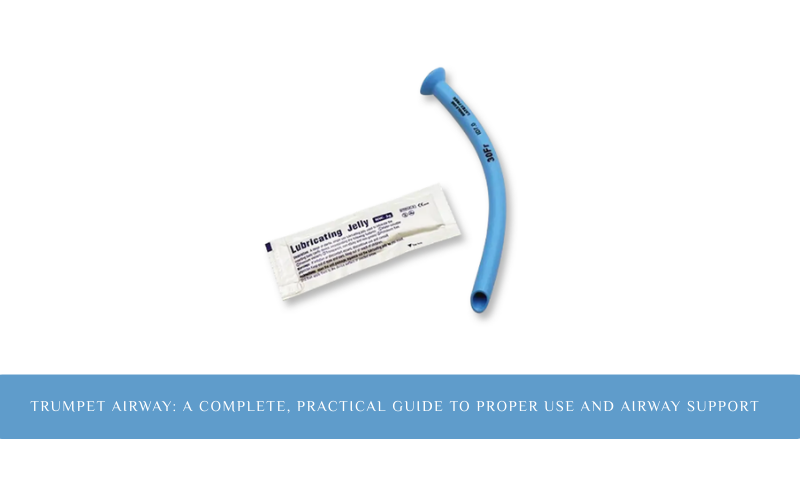
-
10 Mar 2026
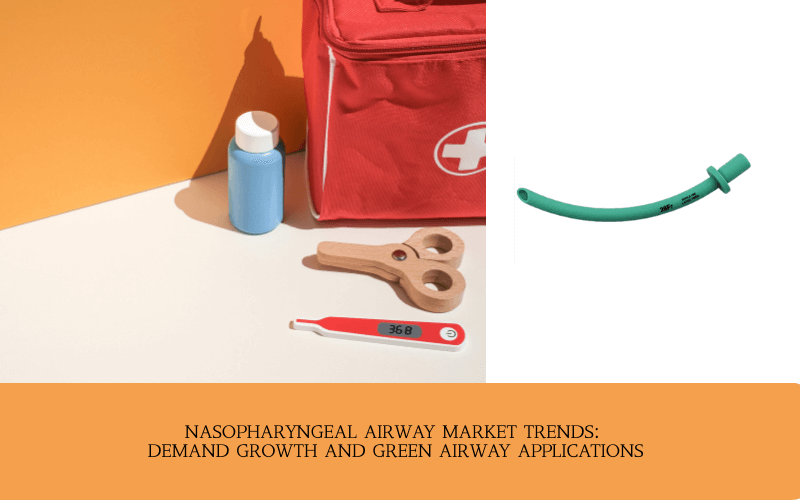
Airway management devices are essential tools in modern healthcare, supporting patient safety across emergency response, anesthesia procedures, intensive care units (ICUs), and even field or battlefield medical scenarios. As global healthcare demand continues to grow driven by aging populations, expanding surgical volumes, evolving emergency medical systems, and preparedness training the market for airway management products, including nasopharyngeal airways (NPA) and nasal trumpet airway, is experiencing steady expansion. Among these, the Green Nasopharyngeal Airway (Green Airway) has become widely used due to its flexibility, ease of insertion, and adaptability across multiple clinical environments. Understanding current market trends and clinical applications can help healthcare providers, distributors, and procurement teams make informed decisions when selecting airway management solutions. Growing Demand for Airway Management Devices The global airway management market is being propelled by several key factors: 1.Aging Population and Increased Respiratory Care Needs The rising proportion of elderly patients globally correlates with higher rates of respiratory diseases, surgical interventions, and long-term care needs. Reliable airway devices are critical for ensuring safe ventilation during procedures and recovery periods. 2.Increasing Surgical and Anesthesia Procedures Advances in surgical technology and healthcare accessibility have expanded surgical volumes worldwide. Nasopharyngeal airways and nasal trumpet devices are frequently used to maintain airway patency, minimize obstruction, and support perioperative care. 3.Expansion of Emergency Medical Services (EMS) Emergency medical infrastructure has grown significantly, especially in pre-hospital care systems. Lightweight, easy-to-deploy airway devices such as NPAs are vital for first responders and paramedics, enabling rapid and effective airway management. 4.Field Training and Real-Life Emergency Rescue Airway management is increasingly critical in field exercises, disaster drills, and battlefield medical operations, as well as in real-world emergency rescue scenarios. Nasopharyngeal airways provide rapid, reliable airway access for semi-conscious, injured, or unconscious patients. Their portability, minimal equipment requirement, and ease of insertion make them indispensable for: Military and Wilderness Training: Trainees practice airway management under stress and limited resources to prepare for real emergencies. Battlefield Rescue of Injured Soldiers: In combat environments, nasal trumpets can maintain airway patency for wounded personnel before evacuation to field hospitals, saving lives when seconds count. Disaster and Mass Casualty Situations: NPAs support quick, temporary airway stabilization when multiple patients require immediate intervention. These scenarios emphasize that NPAs are not only training tools but also critical life-saving devices in extreme, high-pressure conditions. Clinical Role of the Green Nasopharyngeal Airway The Green Nasopharyngeal Airway maintains an open nasal airway when patients cannot maintain airway patency independently but do not require intubation. Key features include: Medical-grade flexible PVC construction: durable yet comfortable for patients Ease of insertion: flexible design reduces nasal tissue trauma Multiple sizes: suitable for pediatric, adult, and geriatric patients Applications across clinical, emergency, and combat scenarios include: Operating Rooms and Anesthesia Support: Maintains airway patency during anesthesia induction or recovery. Emergency and Pre-Hospital Care: Provides rapid airway access in urgent situations without complex procedures. Intensive Care Units: Supports semi-conscious patients recovering from sedation. Field Training and Combat Rescue: Enables fast, reliable airway management for injured personnel in battlefield conditions, mass casualty events, or wilderness emergencies. Key Factors for Procurement Hospitals, EMS units, military medical teams, and training organizations consider: 1.Quality and Regulatory Compliance:Devices must meet ISO and CE standards to ensure safety in clinical and field environments. 2.Product Range and Standardization:Multiple sizes simplify inventory management and applicability across hospital, EMS, and battlefield kits. 3.Supply Reliability:High-volume consumables require suppliers with stable production and distribution. 4.Cost-Effectiveness:Affordable, high-quality devices are essential for frequent use in hospitals, ICUs, field exercises, and combat rescue missions. Future Trends in Airway Management Improved Comfort and Device Design: Ergonomic, softer materials enhance patient experience while maintaining functionality. Growth in Pre-Hospital and Combat Medical Applications: Expanding EMS and military field operations increase demand for simple, effective airway devices. Emerging Market Expansion: Investments in healthcare infrastructure across Southeast Asia, Africa, and Latin America will further drive demand. These trends highlight a shift from single-function devices to comprehensive clinical and emergency support tools, emphasizing versatility, safety, and efficiency. Conclusion The global airway management market continues to grow, with devices such as the Green Nasopharyngeal Airway and nasal trumpet airway remaining essential for patient care across hospitals, emergency services, ICUs, field training, and battlefield rescue scenarios. By understanding market trends, optimizing product selection, and prioritizing quality, supply reliability, and cost-effectiveness, healthcare providers, distributors, and combat medical teams can ensure safe, efficient, and life-saving airway management. For detailed specifications, available sizes, and procurement guidance for nasopharyngeal airway and nasal trumpet products, please visit our product pages or contact our team for professional assistance.
View More +