


 Deutsch
Call Us
TEl: +86-13148388090
Fax:+86-571-88616515

Airway management devices are essential tools in modern healthcare, supporting patient safety across emergency response, anesthesia procedures, intensive care units (ICUs), and even field or battlefield medical scenarios. As global healthcare demand continues to grow driven by aging populations, expanding surgical volumes, evolving emergency medical systems, and preparedness training the market for airway management products, including nasopharyngeal airways (NPA) and nasal trumpet airway, is experiencing steady expansion.
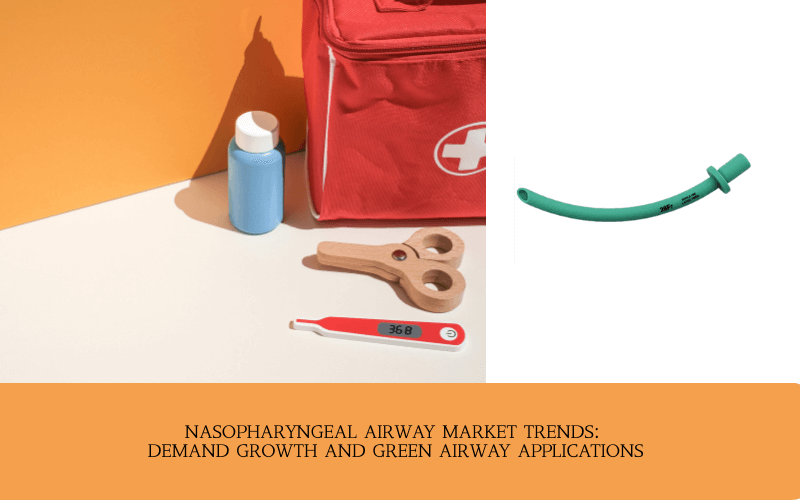
Among these, the Green Nasopharyngeal Airway (Green Airway) has become widely used due to its flexibility, ease of insertion, and adaptability across multiple clinical environments. Understanding current market trends and clinical applications can help healthcare providers, distributors, and procurement teams make informed decisions when selecting airway management solutions.
The global airway management market is being propelled by several key factors:
The rising proportion of elderly patients globally correlates with higher rates of respiratory diseases, surgical interventions, and long-term care needs. Reliable airway devices are critical for ensuring safe ventilation during procedures and recovery periods.
Advances in surgical technology and healthcare accessibility have expanded surgical volumes worldwide. Nasopharyngeal airways and nasal trumpet devices are frequently used to maintain airway patency, minimize obstruction, and support perioperative care.
Emergency medical infrastructure has grown significantly, especially in pre-hospital care systems. Lightweight, easy-to-deploy airway devices such as NPAs are vital for first responders and paramedics, enabling rapid and effective airway management.
Airway management is increasingly critical in field exercises, disaster drills, and battlefield medical operations, as well as in real-world emergency rescue scenarios. Nasopharyngeal airways provide rapid, reliable airway access for semi-conscious, injured, or unconscious patients. Their portability, minimal equipment requirement, and ease of insertion make them indispensable for:
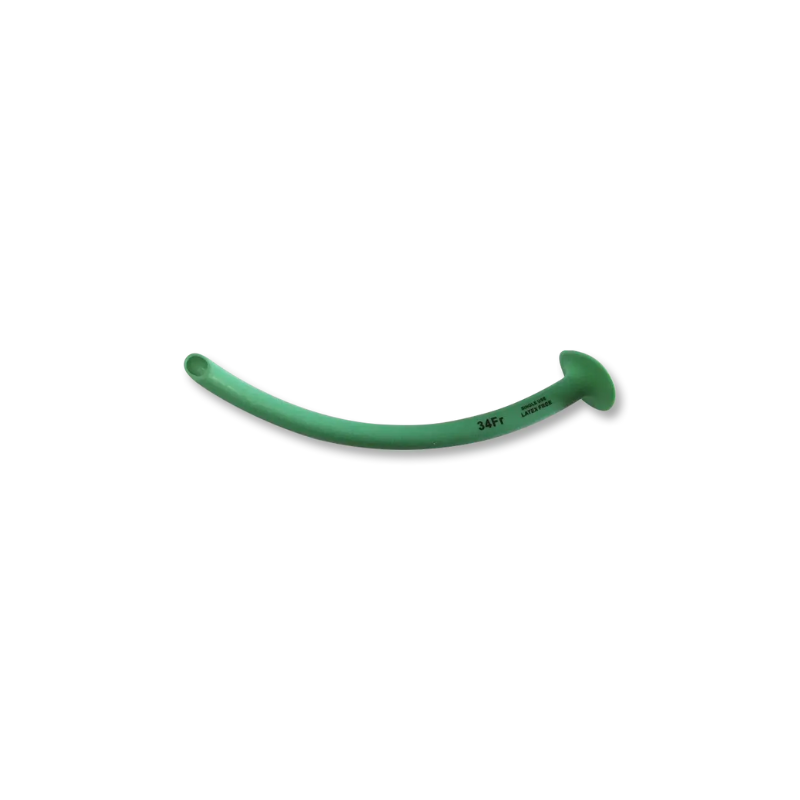
The Green Nasopharyngeal Airway maintains an open nasal airway when patients cannot maintain airway patency independently but do not require intubation. Key features include:
Applications across clinical, emergency, and combat scenarios include:
Hospitals, EMS units, military medical teams, and training organizations consider:
1.Quality and Regulatory Compliance:Devices must meet ISO and CE standards to ensure safety in clinical and field environments.
2.Product Range and Standardization:Multiple sizes simplify inventory management and applicability across hospital, EMS, and battlefield kits.
3.Supply Reliability:High-volume consumables require suppliers with stable production and distribution.
4.Cost-Effectiveness:Affordable, high-quality devices are essential for frequent use in hospitals, ICUs, field exercises, and combat rescue missions.
These trends highlight a shift from single-function devices to comprehensive clinical and emergency support tools, emphasizing versatility, safety, and efficiency.
The global airway management market continues to grow, with devices such as the Green Nasopharyngeal Airway and nasal trumpet airway remaining essential for patient care across hospitals, emergency services, ICUs, field training, and battlefield rescue scenarios. By understanding market trends, optimizing product selection, and prioritizing quality, supply reliability, and cost-effectiveness, healthcare providers, distributors, and combat medical teams can ensure safe, efficient, and life-saving airway management.
For detailed specifications, available sizes, and procurement guidance for nasopharyngeal airway and nasal trumpet products, please visit our product pages or contact our team for professional assistance.
Copyright © Hangzhou BEVER Medical Devices Co., Ltd.
The information provided on this website is intended for use only in countries and jurisdictions outside of the People's Republic of China.


