


 Deutsch
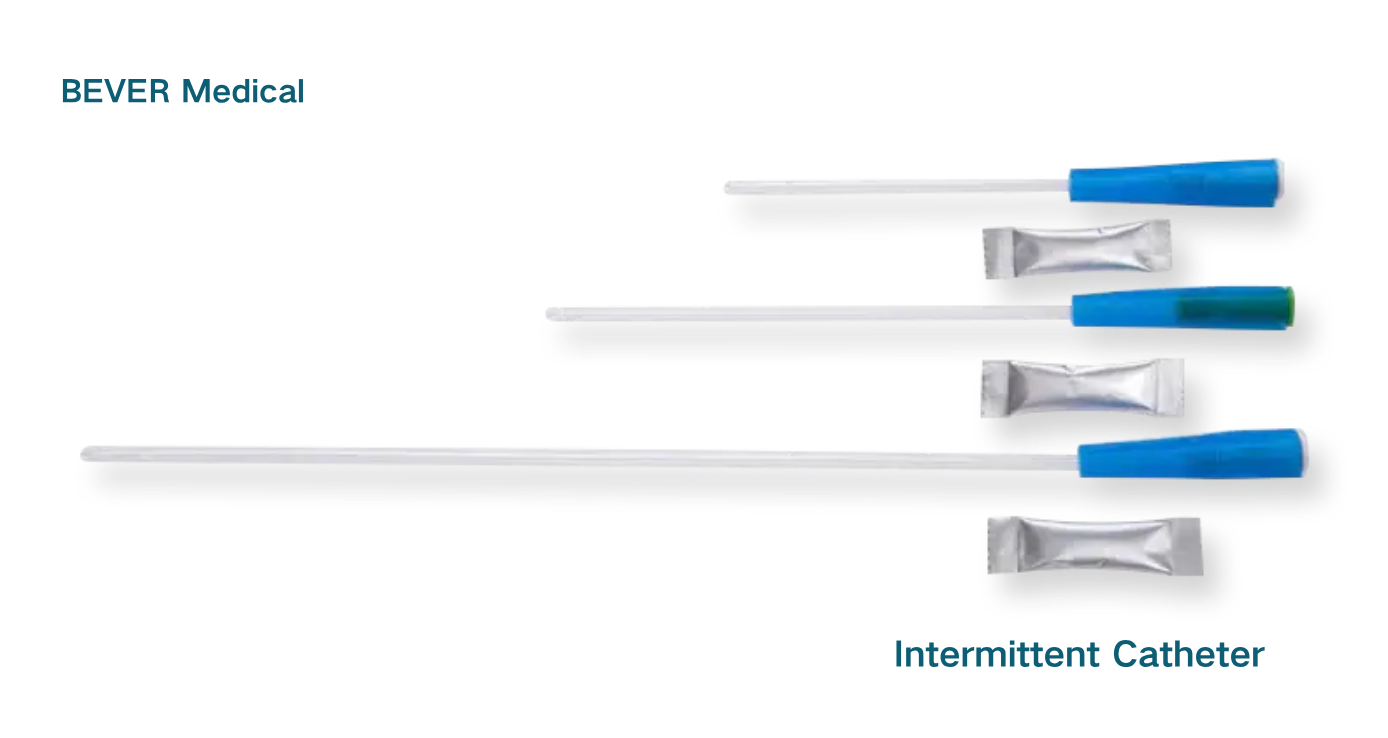
Choosing the right intermittent catheter supplier is a strategic decision that affects product quality, regulatory compliance, and long-term business success. Whether you are a medical distributor, hospital procurement team, importer, or private label brand, selecting the right manufacturing partner requires more than comparing prices. A reliable supplier should provide consistent product quality, stable production capacity, regulatory support, and flexible cooperation models that help your business grow. This guide outlines the key factors buyers should consider when evaluating intermittent catheter suppliers. intermittent catheters Why the Market Is Moving Toward Intermittent Catheterization Before selecting a supplier, it is helpful to understand why demand for intermittent catheters continues to grow. When comparing indwelling vs intermittent catheterization, both methods have established clinical applications. Indwelling catheters are designed for continuous urinary drainage and are commonly used in acute care or post-operative settings. Intermittent catheters are inserted only when the bladder needs to be emptied and removed immediately afterward. For many patients requiring long-term bladder management, intermittent catheterization is widely recommended because it can support patient independence and may reduce the risk of catheter-associated urinary tract infections (CAUTIs) when performed correctly. As healthcare providers increasingly focus on infection prevention, rehabilitation, and home care, demand for intermittent catheter products continues to expand worldwide. For distributors and procurement professionals, this trend highlights the importance of working with suppliers that can provide consistent quality and reliable supply. Evaluate Regulatory Compliance First Medical devices must comply with the regulatory requirements of their target markets. Before discussing pricing or delivery schedules, buyers should verify whether a supplier operates under a recognized quality management system and can provide the necessary certifications. Key documents may include ISO 13485 certification, CE MDR compliance for the European market, and other country-specific regulatory documentation where applicable. Suppliers with established regulatory experience are generally better prepared to support international customers throughout product registration, documentation, and ongoing compliance. For healthcare distributors and private label brands, choosing a manufacturer with strong regulatory experience can help simplify market entry and reduce potential compliance risks. Assess Manufacturing Capability A supplier's manufacturing capability directly affects product consistency and delivery performance. When evaluating an intermittent catheter manufacturer, buyers should consider whether production takes place in a controlled manufacturing environment, whether modern production equipment is used, and whether sterilization processes have been properly validated. Production capacity is equally important. A reliable supplier should be able to support both current purchasing volumes and future business growth without compromising product quality or delivery schedules. Experienced manufacturers also maintain comprehensive quality control systems, including raw material inspection, in-process monitoring, finished product testing, and batch traceability. For disposable medical devices such as intermittent catheters, consistent manufacturing performance is essential because product quality directly affects user experience and customer satisfaction. Review the Product Portfolio Different markets require different catheter types. Choosing a supplier with a comprehensive product portfolio allows buyers to simplify procurement and reduce the need to manage multiple manufacturing partners. An experienced intermittent catheter supplier should ideally offer: Standard intermittent catheters Hydrophilic intermittent catheters Tiemann (Coudé) catheters Male, female, and pediatric models No-touch catheter systems Various French sizes and packaging options A broader product range allows distributors to serve different customer groups and expand their product offerings as market demand changes. Ask the Right Questions Selecting a supplier is not only about reviewing product catalogs and quotations. Buyers should ask practical questions that reveal the supplier's capabilities and long-term reliability. Important questions include: Can you provide complete regulatory documentation? Do you support OEM and private label manufacturing? What quality control procedures are implemented during production? What is your standard production lead time? Can production capacity support future growth? Which international markets do you currently supply? The answers to these questions often provide a clearer picture of a supplier's experience and capabilities than pricing alone. Look Beyond Price While competitive pricing is important, it should not be the primary factor in supplier selection. Lower-cost products may create challenges such as inconsistent quality, delayed deliveries, or additional regulatory difficulties, which can increase overall procurement costs. In contrast, manufacturers with strong quality systems, stable production capabilities, and professional technical support can help reduce supply chain risks and improve long-term operational efficiency. Successful procurement decisions should focus on total value, including product quality, compliance support, delivery reliability, and long-term partnership potential. Build a Long-Term Manufacturing Partnership The best intermittent catheter suppliers do more than manufacture products. They work closely with customers to support regulatory compliance, maintain consistent product quality, and adapt to changing market requirements. For distributors, importers, and private label brands, working with an experienced manufacturer can provide greater flexibility, reduce supply risks, and support sustainable business growth. BEVER Medical is a professional medical device manufacturer specializing in intermittent catheters and other disposable medical products. Operating under an ISO 13485-certified quality management system, BEVER Medical focuses on consistent product quality, reliable manufacturing processes, and international market requirements. With in-house production capabilities, including precision extrusion and injection molding, BEVER Medical supports global customers with OEM and private label solutions, customized packaging, and stable bulk supply. BEVER Medical provides a range of intermittent catheter solutions, including standard intermittent catheters, hydrophilic catheters, and specialty catheter options designed to meet different healthcare market needs. By partnering with BEVER Medical, distributors and healthcare brands can work with a reliable manufacturing partner that understands the importance of quality, flexibility, and long-term supply stability. Conclusion Selecting an intermittent catheter supplier is an important procurement decision that influences product quality, supply continuity, and business growth. By understanding market trends, evaluating regulatory compliance, assessing manufacturing capability, and asking the right questions, buyers can identify suppliers that provide long-term value rather than short-term cost advantages. For companies seeking a reliable intermittent catheter manufacturer, BEVER Medical provides OEM, private label, and bulk supply solutions designed to support global healthcare markets. Choosing the right manufacturing partner today helps build a stronger, more resilient supply chain for the future.

-
 Industry News Jul 13,2026
 -
 Industry News May 12,2026
Honoring Nurses Worldwide & Supporting Better Patient Care Every year on May 12, the world recognizes International Nurses Day. This date marks the birth of Florence Nightingale, and it reminds us of the people who keep healthcare running every single day—nurses. Nurses stand at the center of patient care. They monitor patients, respond to changes in condition, provide emotional support, and coordinate with medical teams in real time. In many situations, they are the first to act and the last to leave a patient's side. Why this day matters We see every day how much healthcare depends on nurses. They don't just follow procedures—they make decisions, adjust care, and manage situations that change minute by minute. They take responsibility for: Monitoring patients and delivering clinical care Preventing infection and maintaining safety standards Responding to emergencies and critical conditions Supporting recovery and long-term patient comfort Their work directly shapes both patient outcomes and the quality of care. How we support nursing work We design and manufacture medical devices that nurses use in daily clinical practice. We focus on reliability because we know nurses depend on consistent performance in real situations. We produce: Urinary catheters Suction catheters Respiratory care and airway management products We manufacture these products in controlled cleanroom environments and apply strict quality standards at every stage of production. We do this because we understand a simple fact:when a device performs well, nurses can focus fully on patient care. OEM / Private Label cooperation At BEVER Medical, we develop and manufacture urinary catheters, suction catheters, nasopharyngeal airways, and respiratory care products for global healthcare markets. We support OEM and private label projects with custom packaging, logo printing, and regulatory documentation assistance. Using ISO-standard cleanroom production and advanced manufacturing technologies, we provide stable quality, flexible production capacity, and long-term supply support for medical distributors and healthcare brands worldwide. On this day, a simple message On International Nurses Day, we thank nurses for the work they do every day in hospitals and clinics around the world. We also continue to focus on what we can control—producing medical devices that nurses can rely on in real clinical environments. Care depends on many hands Nurses deliver care directly to patients.We support them by making sure the tools they use are safe and reliable.Together, this is how better care happens.
-
 Industry News Apr 23,2026
Across hospitals, clinics, and long-term care facilities, intermittent catheterization remains an essential procedure in urinary management. In recent years, hydrophilic coated intermittent catheters have been increasingly adopted as part of modern clinical practice. This shift reflects a broader transition in healthcare priorities—from cost-based purchasing to a stronger focus on patient safety, procedural consistency, and total cost of care. 1. The Clinical Role of Standard Intermittent Catheters Standard intermittent catheters are widely used for patients with urinary retention, neurogenic bladder, and post-surgical recovery. They remain a basic and accessible solution in many healthcare settings due to their simplicity and relatively low upfront cost. However, in repeated or long-term catheterization scenarios, certain limitations are commonly observed: Increased friction during insertion and removal Potential urethral irritation and micro-trauma Elevated risk of catheter-associated urinary tract infections (CAUTIs) Over time, these factors may affect patient comfort, adherence to catheterization routines, and overall clinical outcomes, particularly in patients requiring frequent use. 2. What Makes Hydrophilic Coated Catheters Different Compared with standard intermittent catheters, hydrophilic coated catheters deliver a significantly improved surface performance by introducing a water-activated lubrication layer. This core difference is what enables better control of friction, comfort, and clinical consistency. What Is Hydrophilic Coating Technology Hydrophilic coating technology is designed to improve catheter surface lubrication through a water-activated mechanism. When exposed to sterile water, the coating absorbs moisture and forms a uniform, hydrated surface layer. This results in a smooth and consistently lubricated interface between the catheter and the urethral tissue. Compared with traditional uncoated catheters that rely on external gel lubrication, hydrophilic coated catheters offer: More uniform lubrication across the entire catheter surface Reduced dependence on manual gel application Lower and more consistent friction during insertion and removal Improved procedural standardization in clinical use In addition, advanced manufacturing processes ensure strong adhesion between the hydrophilic coating and the catheter substrate, helping maintain coating integrity during storage, activation, and use. To better understand how this difference translates into clinical practice, it is helpful to compare hydrophilic coated intermittent catheters with traditional uncoated catheters in real use scenarios. Learn More:Hydrophilic Intermittent Catheters vs. Uncoated Intermittent Catheters 3. Clinical Benefits of Hydrophilic Coated Catheters Reduced friction and tissue irritation The hydrated coating layer provides a low-friction surface, which helps reduce urethral resistance during catheter insertion and removal. This may contribute to reduced mechanical irritation and improved patient tolerance, especially in repeated intermittent catheterization. Potential reduction in infection risk By minimizing friction-related micro-trauma and supporting smoother insertion, hydrophilic coated catheters may help reduce potential entry points for bacterial contamination. Clinical studies have suggested an association between hydrophilic catheter use and reduced incidence of urinary tract infections in selected patient populations, particularly in long-term catheterization scenarios. Improved patient comfort Patients requiring intermittent catheterization often perform the procedure multiple times per day. Reduced friction and smoother insertion can improve overall comfort and may support better adherence to prescribed catheterization schedules. 4. Clinical and Operational Advantages Simplified catheterization procedure Hydrophilic systems eliminate or reduce the need for manual lubrication, which helps streamline the catheterization process and reduce variability between users and settings. Improved infection control practices Single-use, sterile hydrophilic catheter systems support hospital infection prevention protocols and help reduce cross-contamination risks when properly used according to clinical guidelines. Alignment with clinical recommendations Hydrophilic coated intermittent catheters are referenced in clinical guidelines such as EAUN and NICE recommendations as an appropriate option for intermittent catheterization, particularly in patients where reduced friction and improved comfort are clinical priorities. 5. Application Across Care Settings Hospitals (ICU & surgical departments):Focus on infection prevention, standardized procedures, and regulatory compliance. Outpatient clinics:Emphasize ease of use, procedural efficiency, and patient comfort. Long-term care and home care:Represent a growing segment, where repeated catheterization makes comfort, safety, and usability especially important. 6. What Buyers Evaluate in Hydrophilic Catheter Suppliers Healthcare providers and distributors typically assess suppliers based on: Compliance with regulatory standards (CE, FDA, ISO 13485) Stability and consistency of hydrophilic coating performance Manufacturing quality systems and product reliability Global supply chain capability OEM and private label customization support Among these, coating consistency and long-term manufacturing stability are key differentiators in supplier selection. 7.Market Outlook The global demand for hydrophilic coated intermittent catheters continues to grow, driven by: Aging populations Increasing prevalence of neurogenic bladder and chronic urological conditions Strengthened infection prevention policies Expansion of home-based healthcare services Hydrophilic catheters are increasingly being integrated into standard care protocols in many healthcare systems, particularly for intermittent catheterization. Conclusion Hydrophilic coated intermittent catheters represent an advanced option for urinary management that aligns with modern healthcare priorities, including patient safety, procedural consistency, and cost-effectiveness. As clinical practice continues to evolve toward value-based care, adoption of hydrophilic technology is expected to increase across hospitals, outpatient facilities, and long-term care environments. Explore OEM & Private Label Opportunities Partner with a trusted manufacturer for hydrophilic coated intermittent catheter solutions: Advanced hydrophilic coating technology:Provides consistent lubrication, smooth activation, and stable adhesion performance Integrated sterile system design:Includes water activation pack and no-touch catheterization features for improved safety Comprehensive product portfolio:Straight / Coude tip / Female length / Pediatric / Procedure kits Full regulatory compliance:Manufactured under CE, FDA, and ISO 13485 quality systems OEM & private label solutions:Custom packaging, branding, and global supply support for distributors and healthcare brands Contact us to discuss your product requirements and OEM cooperation opportunities.
-
 Industry News Apr 09,2026
April 11 marks World Parkinson's Disease Day, a time to raise awareness about Parkinson's disease (PD), a progressive neurological disorder affecting millions of people worldwide. While PD is often recognized for its movement symptoms, such as tremors, stiffness, and slowed motion, it also affects the autonomic nervous system, including bladder and bowel function. These non-motor symptoms can significantly impact quality of life. Why Parkinson's Disease Leads to Urinary and Bowel Dysfunction Parkinson's disease is caused by the degeneration of dopamine-producing neurons in the brain. Dopamine not only regulates movement but also plays a key role in communicating signals between the brain and organs that control bladder and bowel function. Disruption in these neural pathways can lead to: Urinary dysfunction: urgency, frequency, incontinence, or difficulty emptying the bladder Bowel dysfunction: constipation or, in some cases, fecal incontinence Research also shows that Parkinson's involves broader neurodegenerative mechanisms, including abnormal protein deposits (Lewy bodies) and autonomic nervous system impairment, which together explain why urinary and bowel symptoms are common even in early stages of PD. (Paris Brain Institute) Prevalence of Urinary and Bowel Symptoms Studies indicate that urinary issues are frequent among PD patients: 61% experience lower urinary tract symptoms (urgency, frequency, or difficulty emptying) 30% have urinary incontinence (involuntary leakage) 27% experience urinary retention (incomplete bladder emptying) Bowel problems are also common: Over 50% of patients report constipation, which may even precede motor symptoms (APDA) Management of Urinary Incontinence Though challenging, urinary symptoms can be managed with a combination of strategies: 1. Behavioral and Lifestyle Approaches Timed voiding and bladder training Limiting bladder irritants such as caffeine and alcohol Using mobility aids (bedside commodes, grab bars) 2. Medications Bladder relaxants (e.g., mirabegron) to reduce urgency and frequency Certain anticholinergic drugs, with caution due to potential side effects 3. Catheterization for Bladder Emptying For patients unable to empty the bladder effectively, catheterization is an important option: Intermittent catheterization: a sterile catheter is inserted at intervals to drain urine Indwelling (Foley) catheters: used when continuous drainage is medically needed Suprapubic catheters: placed through the lower abdomen as an alternative for long-term management Proper technique and hygiene are essential to reduce infection risk (Bladder & Bowel UK) 4. Advanced or Specialist Options Botox injections into the bladder Nerve stimulation therapies (sacral or tibial) for selected patients Key Takeaways and Positive Outlook Bladder and bowel dysfunction are common non‑motor symptoms of Parkinson's disease, but they do not have to define one's quality of life. With improved awareness, personalized care plans, and the right support, people living with PD can continue to be active, engaged, and confident in managing their symptoms. By combining behavioral strategies, medication when appropriate, and catheter support for bladder emptying, many individuals experience greater comfort, independence, and dignity in their daily routines. The journey of managing Parkinson's symptoms may be ongoing, but each step toward understanding and adaptation brings meaningful progress. BEVER Catheter Solutions For hospitals, clinics, distributors, and caregivers seeking practical solutions, high-quality continence care products can make a real difference. For example, BEVER Medical's range of intermittent catheters, including hydrophilic, pre-lubricated, and specialty designs for male, female, and pediatric needs, is designed to support safe, comfortable, and effective bladder management. BEVER Medical also offers customized OEM Manufacturing for medical suppliers and distributors, allowing tailored solutions to meet specific clinical or institutional requirements. These products combine reliable performance with thoughtful features that help medical staff and patients maintain mobility and confidence while reducing infection risk and procedural discomfort. As we observe April 11 World Parkinson's Disease Day, let us celebrate not only awareness but also resilience and resourcefulness. With continued medical progress, patient education, and access to appropriate tools and products, living well with Parkinson's disease is more achievable than ever.
-
 Industry News Apr 03,2026
In healthcare procurement, catheters are essential consumables that directly impact patient safety, nursing efficiency, and operational costs. Hydrophilic-coated intermittent catheters have become the preferred choice for urology departments, ICUs, surgical units, and home care due to their clinical benefits and ease of use. This guide provides practical insights for hospitals and home care facilities from four perspectives: clinical value, technical advantages, market segmentation, and product selection. Clinical Value and Nursing Efficiency Reduced Urinary Tract Infection (UTI) Risk Multiple studies indicate that hydrophilic-coated catheters significantly reduce the risk of catheter-associated UTIs compared with uncoated or gel-lubricated catheters. Prospective multicenter trials have shown delayed onset of symptomatic UTIs among patients using hydrophilic devices (Cardenas et al., 2011). Lower friction minimizes urethral mucosal trauma, further reducing infection and bleeding risk. Minimized Urethral Trauma Clinical evidence demonstrates that hydrophilic-coated catheters reduce microtrauma and microscopic hematuria compared with conventional catheters (Stensballe et al., 2005). This is particularly beneficial for patients requiring frequent catheterization or postoperative care. Improved Nursing Efficiency Hydrophilic coatings provide automatic lubrication, eliminating the need for extra gel application. This can shorten catheterization time and reduce repetitive cleaning tasks, optimizing workflow in high-volume hospital departments. Enhanced Patient Experience Patients report smoother insertion and lower discomfort scores, leading to better compliance with prescribed catheterization routines. This is especially advantageous for chronic catheter users and home care patients Technical Advantages Hydrophilic-coated catheters combine low-friction surfaces with broad size compatibility. Compared with standard or gel-lubricated catheters, their advantages include: Smooth, low-friction insertion Minimized urethral trauma Ease of use for self-catheterization Validated clinical outcomes in multiple studies These features make them particularly suitable for high-frequency clinical settings and long-term home care. Market Segmentation and Procurement Recommendations Hospital Departments: Urology / High-frequency use: Single-use hydrophilic catheters reduce infection risk and streamline operations.ICU / Postoperative care: Closed-system hydrophilic catheters minimize cross-contamination for long-term monitoring. Home Care / Chronic Users: Hydrophilic or pre-lubricated intermittent catheters improve ease of use and comfort, supporting patient independence. Procurement decisions should consider usage frequency, nursing workload, and budget, allowing hospitals and care providers to quickly match catheter types to clinical needs. Decision Matrix for Catheter Selection Criteria Hydrophilic Standard Lubricated Pre-lubricated Closed System Ease of Use High Medium High Medium Infection Risk Low High Medium Low Nursing Efficiency High Low Medium Medium Patient Comfort High Medium High Medium Cost Medium Low Medium High Recommendation: Hydrophilic-coated catheters generally provide the best balance of safety, efficiency, and patient comfort, making them suitable for most clinical scenarios. OEM, Wholesale, and Supply Chain Options For distributors, hospital supply chains, and clinic partners, hydrophilic-coated Intermittent Catheters offer OEM customization, bulk supply, and multi-channel distribution. Partnering with reliable suppliers can optimize inventory, reduce costs, and support mixed-model procurement for diverse departments and home care needs. BEVER Medical Hydrophilic-Coated Intermittent Catheters We deliver consistent quality, ensure smooth insertion, and offer a variety of hydrophilic-coated Intermittent catheters suitable for both hospital and home care applications. BEVER Medical provides flexible supply options for bulk orders, OEM customization, and international distribution, enabling procurement teams to efficiently meet both clinical and operational requirements. References Cardenas DD, et al. PM&R 3(5):408–417 (2011) — Prospective multicenter trial demonstrating delayed symptomatic UTIs with hydrophilic catheters.Stensballe J, et al. Eur Urol 48(6):978–983 (2005) — Hydrophilic-coated catheters reduce urethral micro trauma.Plata M, et al. World J Urol (2023) — Meta-analysis showing reduced UTI risk with hydrophilic catheters. Disclaimer This article is intended for informational purposes for healthcare procurement professionals. Data and study references are summarized from publicly available clinical research and literature. This content does not reproduce original publications and is not a substitute for professional medical advice. Individual hospitals, clinics, or home care providers should consult their clinical guidelines and suppliers when making procurement decisions.
-
 News Mar 05,2026
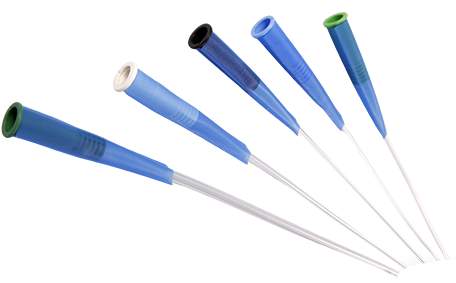
With the growing demand for high-quality urinary care solutions in hospitals and home healthcare, the global PVC intermittent catheter market is showing clear regional differences. North America and Europe are mature markets where customers prioritize product safety, reliability, and compliance with strict regulatory standards. In the Asia-Pacific region, healthcare services are expanding rapidly, and urban high-end clients show strong preference for imported brands. Meanwhile, in Latin America and the Middle East & Africa, healthcare systems are relatively fragmented, but the demand for high-quality imported medical products continues to grow, especially within private healthcare institutions. Entering these markets requires companies to consider regulatory environments, compliance requirements, purchasing behaviors, and distribution structures. North America emphasizes digital procurement and multi-channel distribution; Europe values long-term partnerships and high safety standards; Asia-Pacific is fast-growing but highly fragmented; while Latin America and Middle East & Africa face challenges such as long approval cycles, logistics costs, and limited market information. Therefore, companies planning a global presence in the PVC intermittent catheter market must develop strategies tailored to each region. Regional Market Overview North America (USA, Canada): Stable demand for high-end products; corporate procurement and digital channels are well-developed. Regulations are transparent but strict, covering safety, data, and environmental standards. Europe (Western, Northern, and Eastern Europe): Mature healthcare systems with centralized public procurement; regulations are strict (e.g., MDR), with high requirements for environmental and product safety. Asia-Pacific (China, Japan, South Korea, India, etc.): Rapidly growing market; urban high-end customers favor imported products; local registration and approval processes vary significantly. Latin America (Brazil, Mexico, etc.): Public and private healthcare coexist; price-sensitive market with growing demand for imported products; approval cycles can be long. Middle East & Africa (GCC, South Africa, etc.): Fragmented markets relying on imported products; private healthcare institutions are growing; regulations are diverse but gradually standardizing. BEVER Medical Professional Support In the global PVC intermittent catheter market, BEVER Medical provides comprehensive product and service solutions for B2B partners. We specialize in PVC and hydrogel intermittent catheters, suction catheters, feeding tubes, and nasopharyngeal tubes, with standardized cleanroom production facilities and strict quality management systems that meet regulatory and production requirements across regions. Our core services include: Product customization & OEM: Offering a range of specifications, materials, and packaging options to meet regional market standards. R&D & design support: Material selection, functional optimization, prototype design, and trial production to help clients differentiate their products. Quality & compliance assurance: Products meet international medical device standards, and we can assist clients with registration and certification to reduce market risk. Supply chain & logistics: Flexible production and delivery support bulk production and customization, ensuring timely and safe delivery to target markets. Through these professional services, BEVER Medical helps clients reduce risk and improve responsiveness in complex and diverse global markets. Collaboration Benefits Partnering with BEVER Medical provides clients with the following advantages: Reliable product supply – Safe and standard-compliant catheters, minimizing usage risk for healthcare institutions and end users. Flexible customization – Production volume, specifications, and packaging can be adapted to meet different market needs. Full-process support – Comprehensive assistance from R&D and registration to production and logistics, enabling faster market entry. Risk reduction – Advance planning for compliance and localized production strategies accelerates market response. Long-term partnership potential – Ongoing technical updates and market support cater to long-term business development. The global PVC intermittent catheter market continues to expand, with regional demand and regulatory environments presenting unique characteristics. By collaborating with BEVER Medical, companies can strategically deploy in key markets, secure reliable product supply, and receive professional market support. Whether serving large-scale hospital procurement or providing region-specific customized products, BEVER Medical offers professional, actionable solutions to support sustainable global growth. To learn more about BEVER Medical's global collaboration programs, please visit our website: www.bevermedical.com
-
 Industry News Feb 06,2026
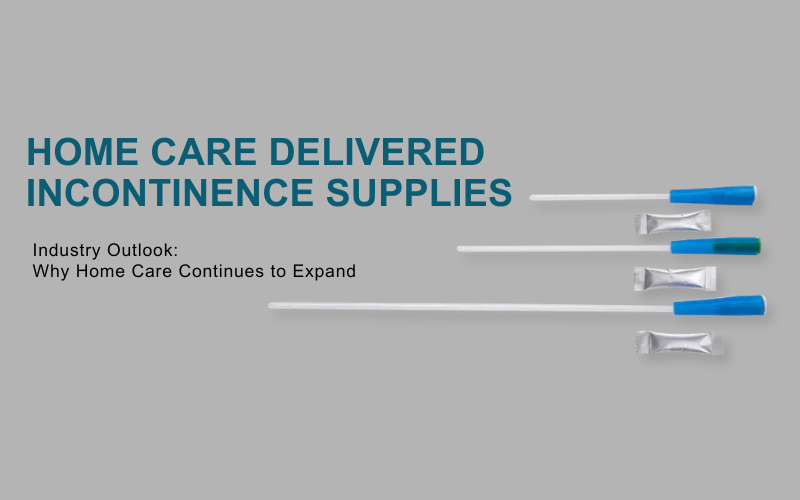
The incontinence care products market has experienced sustained growth over the past decade, driven by structural changes in global healthcare systems. Aging populations, increasing life expectancy, and the rising prevalence of chronic and mobility-related conditions have significantly expanded the need for long-term care solutions outside of hospitals and nursing facilities. At the same time, healthcare providers and payers are seeking more cost-effective care models, accelerating the shift toward home-based care. Within this broader market, incontinence management has become a core component of home care services. Urinary incontinence is common among elderly individuals, patients with neurological disorders, post-surgical populations, and those with limited mobility. Because incontinence requires continuous, day-to-day management, related supplies represent one of the most stable and recurring demand categories in home healthcare. Incontinence Supplies as a Core Home Care Category Incontinence products occupy a critical position in the home care supply chain due to their frequency of use and direct impact on patient comfort and hygiene. Unlike episodic medical treatments, continence management involves daily consumption, long-term planning, and consistent supply. This makes incontinence supplies a strategic category for home care providers, distributors, and manufacturers alike. The primary user groups include elderly patients aging at home, individuals with disabilities, patients recovering from surgery, and those managing chronic urinary or neurological conditions. Across these populations, product reliability, ease of use, and long-term safety are key considerations. Major Product Categories in Home Care Incontinence Management Absorbent Products Absorbent products such as adult diapers, briefs, pull-ups, and pads are widely used in home care settings. Their advantages include ease of application, non-invasive use, and suitability for patients with mild to moderate incontinence. These products are often used as a first-line or supplementary solution. However, absorbent products are associated with limitations, including frequent replacement, potential skin irritation, and reduced effectiveness for patients with severe incontinence. Over time, high consumption can also result in higher cumulative costs. Ostomy Care Products Ostomy supplies are essential for patients who require long-term surgical waste diversion. In the home care context, ostomy pouches, skin barriers, and accessories support independent living and daily activity. The effectiveness of ostomy products depends heavily on proper selection, fitting, and ongoing maintenance. Without appropriate education and support, patients may experience leakage, skin complications, or reduced comfort. Urinary Catheters Urinary catheters represent one of the most clinically significant categories within home care delivered incontinence supplies. They provide direct bladder management and are commonly used by patients with moderate to severe urinary dysfunction, including neurogenic bladder, urinary retention, and long-term incontinence. While catheter use requires proper technique and hygiene to minimize infection risk, technological advancements in materials and surface treatments have greatly improved user safety and comfort in home environments. Why Catheters Remain the Dominant Long-Term Solution Despite the availability of multiple incontinence product types, urinary catheters remain the primary long-term management solution for a large proportion of incontinence users. Many patients rely on catheterization as a consistent, ongoing method rather than alternating between product categories. Compared with absorbent products, catheters offer more effective bladder control, improved skin integrity, and reduced reliance on frequent product changes. Intermittent catheterization, in particular, is widely recognized in clinical practice as a preferred approach when appropriate, supporting better urinary health outcomes and long-term quality of life. BEVER Medical's Intermittent Catheter Portfolio for Home Care BEVER Medical supports the home care market with a comprehensive range of intermittent catheter solutions designed for long-term use in non-clinical settings. Intermittent Catheters with Integrated Water Sachet (Ultra-Smooth Catheters) Designed for immediate activation, these catheters allow users to lubricate the hydrophilic surface instantly, offering convenience and consistent performance. Ready-to-Use Hydrophilic Intermittent Catheters Pre-lubricated and ready for use, these Ready-to-Use Hydrophilic Intermittent Catheters minimize preparation steps and support ease of use in daily home care routines. Standard Intermittent Catheters A cost-effective option that remains widely adopted in home care, suitable for users who prefer manual lubrication and flexible usage. Conclusion As home care continues to expand globally, incontinence supplies will remain a fundamental component of long-term care delivery. While multiple product categories contribute to continence management, urinary catheters continue to serve as the dominant solution for many users due to their effectiveness, reliability, and suitability for long-term use. Through a diversified intermittent catheter portfolio, BEVER Medical supports the evolving needs of the home care industry with solutions designed for safety, comfort, and consistency.
-
 Industry News Nov 27,2025
Many people experience sudden urges to urinate, frequent trips to the bathroom, or waking up at night. If these symptoms occur repeatedly and interfere with daily life or sleep, they may indicate Overactive Bladder (OAB). While OAB is not life-threatening, it can significantly reduce quality of life. This guide explains the causes of OAB, potential complications, and practical strategies for management, including lifestyle measures, medical treatments, and assistive devices. 1. Why Your Bladder Becomes “Overactive” OAB usually arises from a combination of factors: Overactive Detrusor Muscle:Involuntary or overly sensitive contractions cause sudden urges and, sometimes, leakage. Nervous System Control Issues:Signals between the bladder, spinal cord, and brain regulate urination. Disruptions, such as those caused by stroke, Parkinson’s disease, or multiple sclerosis, can trigger contractions at the wrong time. Hormonal Changes:Menopause decreases estrogen, thinning the bladder lining and weakening pelvic support, which increases urgency and frequency. Urinary Tract Conditions:Infections, bladder stones, an enlarged prostate, or inflammation can worsen OAB symptoms. Lifestyle Factors:Excessive caffeine, alcohol, chronic constipation, obesity, stress, and poor sleep can heighten bladder sensitivity. 2. Possible Complications If left unmanaged, OAB may cause: Urge Incontinence:Sudden leakage can lead to embarrassment and social anxiety. Sleep Disruption:Frequent nighttime urination interferes with rest, causing daytime fatigue and irritability. Skin Issues:Prolonged leakage may cause redness, rash, or infections. Psychological Stress:Anxiety, social withdrawal, and reduced self-esteem may result. Urination or Bowel Difficulties:Chronic pelvic floor tension may impair bladder or bowel function. 3. Practical Self-Management Guidelines recommend starting with behavioral and lifestyle strategies, which are safe and effective for most people. Bladder Training Track urination intervals (e.g., every 50 minutes). Gradually delay urination by 5–10 minutes each time. Aim for 2–3 hour intervals. Use deep breathing, walking, or pelvic relaxation when urgency strikes. Consistency over 6–12 weeks usually improves control. Diet and Lifestyle Adjustments Limit coffee, tea, alcohol, carbonated drinks, citrus juice, spicy foods, chocolate, and artificial sweeteners. Spread fluid intake across the day and reduce liquids 2 hours before bedtime. Eat high-fiber foods to prevent constipation, maintain a healthy weight, and manage stress. Keeping a “food-symptom diary” helps identify personal triggers. Pelvic Floor Muscle Training Contract pelvic floor muscles for 3–5 seconds, relax 5–10 seconds. Perform 30–50 repetitions daily for 8–12 weeks. Techniques like “The Knack” can help prevent leakage. Professional guidance via biofeedback or electrical stimulation may enhance results. Medical Treatments Medications: Anticholinergics or β3-adrenergic agonists. Botulinum toxin injections: Reduce overactive contractions for 6–9 months. Neuromodulation therapies: PTNS or SNS for refractory cases. Doctors determine the best approach based on symptoms and health status. 4. Assistive Devices for Urination Some patients with moderate to severe OAB or urination difficulties may benefit from assistive urinary devices. BEVER Medical specializes in the research, development, and production of intermittent catheters that help patients urinate safely and comfortably. Their products are available in various specifications to meet different clinical needs. Using these devices under professional guidance can support bladder management, maintain daily activities, and reduce risks such as urinary tract infections. Note: Behavioral therapy, lifestyle changes, and pelvic floor exercises remain the first-line approach. Catheters and other assistive devices supplement management for patients with persistent difficulties or special medical needs. 5. When to See a Doctor Seek medical attention promptly if you experience: Blood in urine Painful urination, fever, or suspected infection Sudden inability to urinate Rapid worsening of symptoms Frequent nighttime urination disrupting sleep No improvement after 6–8 weeks of self-management Early evaluation ensures more serious conditions are ruled out and helps you receive appropriate treatment. Combining behavioral training, lifestyle adjustments, medical therapies, and assistive devices like those from BEVER Medical allows patients to manage OAB effectively, improve bladder control, and enhance daily quality of life.
-
 Industry News Nov 24,2025
Bladder health is essential for comfort and quality of life,yet issues like urinary incontinence are more common than most people realize and often rarely discussed openly.Many individuals experience symptoms such as urgency, leakage,or frequent nighttime trips to the bathroom,but feel embarrassed or unsure where to find reliable information.During Bladder Health Awareness Month,It's a perfect time to raise awareness,break the stigma,and learn practical ways to protect bladder health and manage urinary incontinence safely. Whether you are experiencing occasional leaks,chronic bladder issues,or simply want to safeguard your long-term bladder function,understanding the basics and taking preventive action can make a significant difference. Why Bladder Health Is Important The bladder plays a crucial role in daily comfort, independence, and overall quality of life. A healthy bladder allows people to go about their day without interruption, while bladder dysfunction can affect sleep, work, social life, and emotional well-being. Urinary incontinence affects people of all ages: Postpartum women recovering from pelvic floor trauma Men after prostate procedures Older adults with muscle weakening Individuals with chronic cough, constipation, or neurological conditions Early attention to bladder health can prevent symptoms from worsening and improve long-term outcomes. Common Types of Urinary Incontinence Understanding the type of leakage experienced helps identify the best management strategies. The International Continence Society (ICS) classifies urinary incontinence into five main types: Stress Incontinence– Leaks occur when abdominal pressure increases, such as during coughing, sneezing, or exercise. Often linked to weakened pelvic floor muscles. Urge Incontinence (Overactive Bladder)– Characterized by a sudden, intense urge to urinate followed by involuntary leakage. Common causes include bladder irritation, nerve issues, or aging. Mixed Incontinence– A combination of stress and urge incontinence. Overflow Incontinence– Occurs when the bladder does not empty completely, causing dribbling or continuous leakage. May be related to blockages or weakened bladder muscles. Functional Incontinence – Happens when a person cannot reach a bathroom in time due to mobility or cognitive challenges. Knowing the type of incontinence is the first step toward effective management. Practical Steps for Everyday Bladder Care Many bladder issues can be improved or prevented with small, consistent lifestyle changes: Hydrate Wisely– Dehydration can irritate the bladder,while overhydration can increase frequency.Aim for pale yellow urine rather than clear or dark urine (source: National Institute of Diabetes and Digestive and Kidney Diseases, NIDDK). Limit Bladder Irritants– Certain foods and drinks can trigger urgency or worsen leakage, including caffeine,alcohol,carbonated drinks,citrus,spicy foods, and artificial sweeteners.Reducing intake and observing how your bladder responds is recommended. Maintain a Healthy Weight– Excess abdominal pressure can strain pelvic floor muscles and increase leakage.Weight management is widely recognized as beneficial for bladder health (source: American Urological Association, AUA). Strengthen the Pelvic Floor – Pelvic floor exercises (Kegels) support bladder control.Regular practice with correct technique can be highly effective, especially for stress incontinence. Manage Constipation– Straining weakens pelvic muscles and can irritate the bladder. Adequate fiber, hydration, and physical activity are key. Avoid Delaying Bathroom Trips– Holding urine for prolonged periods overstretches the bladder and can disrupt its natural signaling over time. When to Seek Medical Advice Professional evaluation is important if you notice: Persistent or worsening leakage Pain, burning, or blood in urine Difficulty fully emptying the bladder Frequent urinary tract infections Early assessment can prevent complications and guide safe,effective management.Treatment options may include pelvic floor therapy,bladder training techniques,medications,and intermittent catheterization for those who need it (source: Mayo Clinic). Living Confidently With Urinary Incontinence Bladder issues should not compromise daily life or confidence. Practical strategies and tools can help manage symptoms while maintaining dignity: Absorbent Protective Products – Modern pads and protective garments are discreet, breathable, and designed for day and night use. Behavioral Techniques – Timed voiding, urge suppression, and bladder diaries help retrain the bladder-brain connection. Pelvic Floor Therapy – Guided exercises and biofeedback improve muscle strength and coordination, particularly beneficial for postpartum women or men after prostate surgery. Intermittent Catheterization (IC) – For individuals who cannot fully empty their bladder, intermittent catheters can help prevent overflow incontinence, reduce the risk of urinary tract infections, and protect kidney health. Hydrophilic, single-use catheters are often recommended for comfort and ease of use. BEVER Medical's hydrophilic catheters are widely used in clinical practice for their smooth insertion and reduced irritation, making them a reliable option for patients managing chronic bladder emptying difficulties. Medical Treatments When Needed – In advanced cases, medications, injections, or minimally invasive procedures may be appropriate. Takeaway Bladder health is as important as heart, gut, or mental health. Small, consistent habits,early preventive care,and safe management strategies can dramatically improve quality of life.Talking openly about bladder health reduces stigma, encourages proactive care,and helps more people access the support they need. Urinary incontinence is common,it's not your fault, and help is available. By adopting healthy daily habits,seeking timely medical advice,and using evidence-based management strategies,individuals can maintain comfort, independence, and confidence throughout life.
-
 Industry News Nov 21,2025
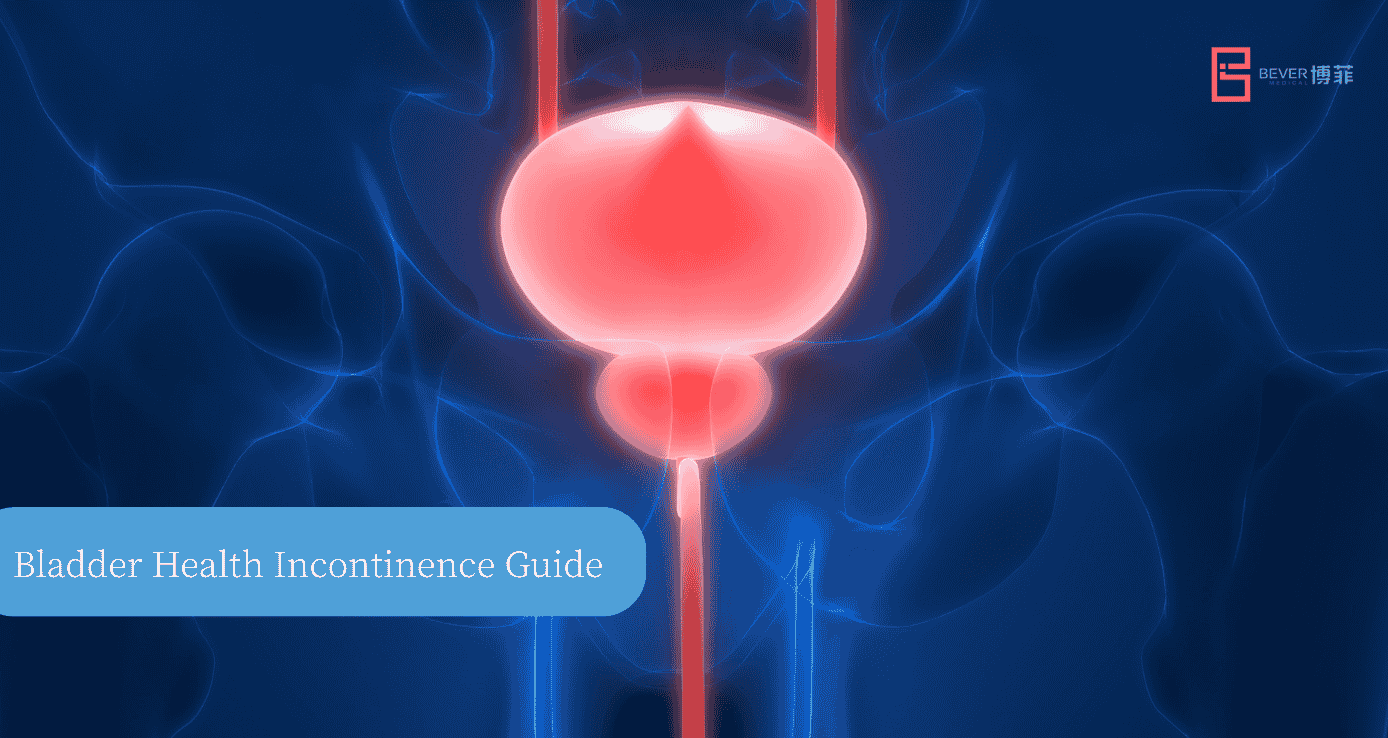
Bladder health is an essential yet often overlooked part of overall well-being. Every day, the bladder silently manages one of the body’s most important functions—storing and releasing urine in a controlled and coordinated manner. When the bladder functions properly, most people barely notice it. But when problems arise, such as urinary urgency, frequency, or incontinence, they can significantly affect daily life, confidence, and long-term health. To raise global awareness of these issues, November is recognized as Bladder Health Awareness Month, an initiative supported by the Urology Care Foundation and other international health organizations. This awareness month encourages individuals, caregivers, and healthcare professionals to better understand bladder function, identify early signs of dysfunction, and take proactive steps to maintain urinary health. This article provides a comprehensive overview of bladder function, the common causes of urinary incontinence, preventive strategies, and practical care recommendations. It also highlights how medical solutions—such as hydrophilic-coated intermittent catheters—can support individuals living with chronic or severe bladder conditions. Understanding the Bladder and Its Role in the Body The bladder is a hollow, muscular organ located in the lower abdomen, responsible for storing urine produced by the kidneys and releasing it in a controlled manner. A healthy bladder can typically hold 300–500 milliliters of urine, and its proper function relies on the coordination between the bladder muscle (detrusor), sphincter muscles, and the nervous system. How the Bladder Stores Urine The bladder expands as it fills with urine. Sphincter muscles remain contracted to prevent leakage. How the Body Controls Urination The brain signals when the bladder is full. The detrusor muscle contracts and sphincters relax to release urine. Disruptions in this coordination—whether due to nerve damage, muscle weakness, or structural abnormalities—can lead to urinary incontinence or other bladder disorders. Common Causes of Urinary Incontinence Urinary incontinence, defined as the involuntary leakage of urine, affects millions of people worldwide. It may present as occasional dribbles or a complete loss of bladder control. Common causes include: Age-Related Changes:Muscle tone in the bladder and sphincters declines with age, increasing the likelihood of stress incontinence. Neurological Disorders:Stroke, spinal cord injury, multiple sclerosis, and Parkinson’s disease can disrupt neural pathways controlling bladder function. Urinary Tract or Prostate Problems:Recurrent infections, bladder stones, or prostate enlargement can interfere with normal bladder emptying. Pelvic Floor Weakness:Childbirth, pelvic surgery, or physical trauma may weaken the pelvic floor, contributing to stress incontinence. Lifestyle Factors and Medications:Excessive caffeine, alcohol intake, or certain medications such as diuretics can aggravate urinary urgency and frequency. Caring for Urinary Incontinence Proper management of urinary incontinence is essential for preserving skin integrity, preventing infections, and maintaining quality of life. 1. Maintaining Good Hygiene Keep the genital area clean and dry. Use mild cleansers or wipes formulated for sensitive skin. 2. Incontinence Management Products Absorbent pads or adult diapers offer protection for mild or temporary incontinence. However, they primarily serve as surface protection and do not address the underlying bladder dysfunction. Urinary Catheters for Active Bladder Management For chronic incontinence, urinary retention, or neurological conditions, urinary catheters offer a medical solution that supports effective bladder emptying while reducing the risk of skin irritation or infection. BEVER Medical provides hydrophilic coated catheters with integrated water packs, designed to ensure safe, smooth, and comfortable catheterization. Key benefits include: Smooth, soft surface: Reduces friction and discomfort during insertion. Flexible design: Accommodates diverse anatomical needs. Hydrophilic coating: Activates with water for low-resistance, gentle catheterization. These catheters are ideal for intermittent catheterization, helping patients maintain bladder health with greater comfort and efficiency. 3. Bladder Training Techniques Establish scheduled voiding times. Gradually increase intervals to strengthen bladder capacity and control. Monitor urinary patterns to anticipate needs and reduce accidents. Preventing Urinary Incontinence Adopting preventive measures can significantly reduce the risk of developing bladder problems. Maintain a Healthy Weight: Reducing abdominal pressure helps protect the bladder and pelvic floor. Strengthen the Pelvic Floor: Regular Kegel exercises enhance bladder control and reduce leakage. Manage Fluids Wisely: Limiting caffeine, alcohol, and acidic drinks helps prevent bladder irritation. Treat Health Issues Promptly: Early management of UTIs, prostate enlargement, or constipation prevents further complications. Avoid Chronic Straining: Minimize heavy lifting and prevent long-term constipation to protect pelvic structures. Summary Prevention: Maintain a healthy lifestyle, strengthen pelvic floor muscles, manage fluid intake, and treat underlying conditions. Management: Combine hygiene care, bladder training, and medical solutions such as BEVER Medical hydrophilic-coated intermittent catheters. Awareness: Bladder Health Awareness Month encourages education, early detection, and informed choices around urinary health. With proper knowledge, preventive habits, and reliable medical device solutions, urinary incontinence can be effectively managed—improving both daily comfort and long-term bladder function.
-
 Industry News Nov 12,2025
As global demand for airway management devices accelerates, nasopharyngeal airways (NPAs)—also known as nasal trumpets—have become indispensable across emergency medicine, anesthesia, EMS operations, and pre-hospital care. The expansion of critical-care capacity in regions across Asia, Europe, and the Middle East has further amplified the need for stable, high-quality suppliers. However, the NPA market remains fragmented. Many products appear identical, yet underlying differences in materials, manufacturing controls, and regulatory readiness can significantly impact performance and patient safety. For procurement teams navigating an increasingly competitive landscape, selecting the right supplier requires a deeper understanding of both technical and operational criteria. 1. Price vs Value: The Shift Toward Risk-Based Procurement Healthcare supply chains have evolved beyond simple price comparison. According to global procurement trends, buyers now evaluate: The total cost of ownership (TCO) Failure rates and clinical risk Variability between production batches Supplier stability under stress events (pandemics, raw material shortages) For NPAs, a low-cost product with inconsistent material softness or poorly molded tips can result in higher clinical complications and increased waste. As a result, high-volume distributors and hospital networks are prioritizing long-term reliability over short-term savings. 2. Clinical-Grade Quality: What Separates Good from Exceptional A high-quality NPA meets strict technical and clinical expectations. Procurement teams should review: Material Engineering Medical-grade PVC: economical, consistent rigidity Medical-grade silicone: softer, preferred for long-term tolerance Each affects flexibility, insertion comfort, and trauma risk. Safety-Critical Design Features Atraumatic tip geometry Uniform, precision-controlled lumen Flared base to prevent over-insertion Anatomically optimized curvature for smooth placement Manufacturers should validate performance through ISO 10993 biocompatibility, EO-sterilization validation, tensile strength testing, and tip integrity evaluation. Production Standards ISO 13485 quality system Controlled clean-room environment Documented visual and functional inspections Batch-level traceability Suppliers that consistently meet these standards significantly reduce downstream clinical and legal risks. 3. Manufacturing Capacity and Supply Chain Resilience The medical device supply chain has faced unprecedented volatility in recent years. Because NPAs are high-volume disposables, disruptions can quickly impact EMS and hospital operations. Reliable suppliers should demonstrate: Dual or scalable production lines Access to stable raw material streams Documented contingency protocols Predictable logistics and export capabilities Historical on-time delivery performance For global distributors, the ability to maintain supply consistency across seasonal peaks and emergency surges is now a defining factor. 4. Technical Partnership, Not Transactional Supply Healthcare buyers increasingly value suppliers who act as technical partners rather than product vendors.Indicators include: Fast, transparent communication Full product data sheets, IFUs, and regulatory dossiers Engineering support for OEM / private-label customization Clear handling of non-conformance or quality feedback Strong technical collaboration reduces procurement friction and supports multi-region compliance. 5. Innovation and Market Differentiation While NPAs are mature products, incremental innovations continue to shape the market: Softer, patient-friendly materials Pre-lubricated variants for EMS use More ergonomic flanges Improved packaging for emergency field access ESG-aligned production processes Buyers increasingly prefer suppliers that invest in continuous improvement and proactively update designs based on clinical feedback. 6. ESG and Ethical Manufacturing as Strategic Priorities International procurement now places strong emphasis on ESG compliance. In NPA sourcing, this includes: Ethical labor conditions Energy-efficient and environmentally responsible production Waste reduction and recyclable packaging Transparent documentation and supply chain auditability Compliance with global regulatory frameworks Hospitals and distributors face rising scrutiny from regulatory bodies and end users, making ESG-integrated suppliers significantly more competitive. 7. Supplier Longevity and Contract Reliability Long-term stability is essential when selecting an NPA supplier. Procurement teams should assess: Financial health Experience with international contracts Multi-market regulatory awareness Ability to handle long-term, large-volume agreements Stable partners improve supply chain predictability and reduce operational risk. Industry Example: BEVER Medical's Position in the NPA Market Among global NPA manufacturers, BEVER Medical is recognized for aligning closely with the procurement criteria above. The company operates ISO 13485-guided clean-room manufacturing lines and uses medical-grade materials for airway devices, supported by strict process controls and batch-level traceability. BEVER Medical's capabilities include: Large-volume and scalable production OEM/private-label customization for global markets Technical and regulatory documentation support Consistent communication with international partners Emphasis on ESG-aligned manufacturing and quality assurance Rather than offering universal catalog products, BEVER collaborates closely with distributors and hospital networks to adapt specifications, packaging, and compliance documents to regional needs. Conclusion As airway management becomes a global priority, procurement teams are increasingly scrutinizing both the technical quality and systemic reliability of NPA suppliers. By evaluating material science, production capability, regulatory readiness, ESG compliance, and long-term partnership strength, healthcare organizations can secure safer, more stable supply chains. Manufacturers such as BEVER Medical illustrate the type of supplier capable of supporting the next generation of global airway management solutions—combining consistent quality, scalable production, and strategic OEM collaboration.
-
 Industry News Mar 13,2025
Due to an increasing number of patients requiring urological care, the global market for male coude tip intermittent catheters is experiencing steady growth. Key factors contributing to market growth include rising awareness about catheter-based solutions, advancements in catheter technology (such as hydrophilic coatings and pre-lubricated designs), and the growing demand for home healthcare options. Growing Demand in Male Intermittent Urinary Catheter Market The male intermittent catheters market is also seeing an uptick in demand for high-quality, user-friendly, and infection-preventive catheter designs. With a rising aging population, particularly in regions like North America, Europe, and Asia-Pacific, there is greater emphasis on providing comfortable and discreet solutions for urinary incontinence and other urological conditions. Key Factors OEM manufacturers like BEVER Medical are playing a significant role in this market by offering customizable products that meet the unique needs of healthcare providers and patients. Innovations in catheter materials and designs, along with strict regulatory compliance, and Customer Service care key factors for success in this competitive market. Additionally, partnerships between medical device manufacturers and healthcare organizations are driving the development and distribution of advanced male coude tip intermittent catheters globally. Conclusion Overall, the market is expected to continue expanding, particularly as patient-centric care models and home healthcare services become more prevalent. About BEVER Medical BEVER Medical is dedicated to developing innovative products that improve the quality of life for patients with urinary and respiratory conditions. Through close collaboration with distributors and industry brands, we provide tailored solutions. Our business covers Continence Care, Airway Management, and Respiratory Care. Welcome to contact us.
Interested in our products? Fill out the form and we’ll reply within one business day.



Copyright © Hangzhou BEVER Medical Devices Co., Ltd.
The information provided on this website is intended for use only in countries and jurisdictions outside of the People's Republic of China.
