


 Deutsch
Call Us
TEl: +86-13148388090
Fax:+86-571-88616515

Intermittent catheters have become a cornerstone of modern urology care, offering patients and healthcare providers an effective alternative to indwelling catheters. They are widely used in hospitals, long-term care facilities, and home healthcare settings, particularly for individuals with neurogenic bladder, spinal cord injuries, or benign prostatic hyperplasia. For B2B buyers, understanding market trends, clinical evidence, and supplier capabilities is crucial for informed procurement decisions.
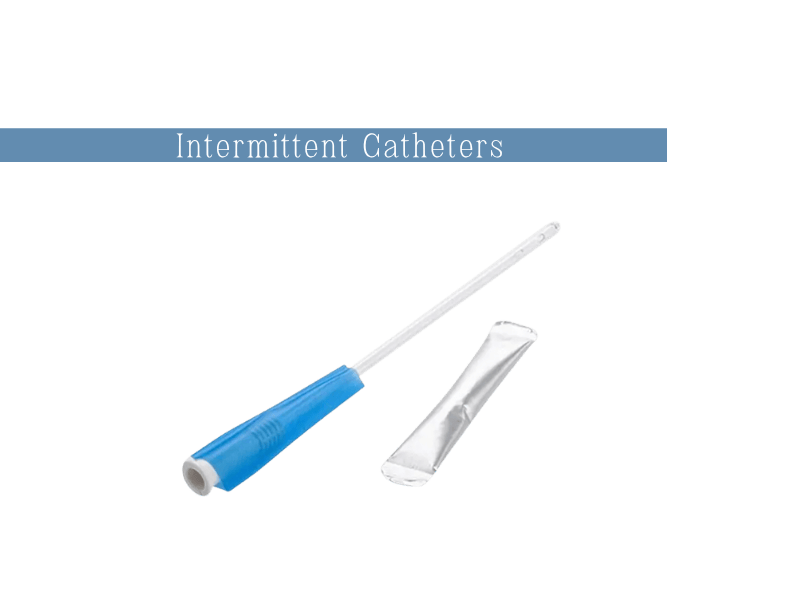
The global intermittent catheter market has experienced steady growth due to an aging population and increasing prevalence of urological conditions. Hydrophilic and pre-lubricated catheters now account for the majority of new sales, reflecting a shift toward products that reduce friction and lower the risk of catheter-associated urinary tract infections (CAUTIs).
Hospitals and home-care providers increasingly prioritize patient comfort and infection prevention. Suppliers that offer a range of catheter types, including straight, coude-tip, and ready-to-use sterile designs, are better positioned to meet diverse B2B buyer needs. Flexible supply chains and OEM customization options also play a key role in supporting bulk procurement and private-label partnerships.
Clinical studies support the superiority of hydrophilic catheters over standard PVC options. Research shows that hydrophilic coatings reduce urethral trauma and decrease the incidence of CAUTIs, especially in high-risk populations such as spinal cord injury patients. For healthcare providers, this evidence underscores the importance of selecting catheters that are both safe and effective for long-term use.
Additional innovations, such as advanced catheter geometries that discourage bacterial migration, are emerging and may further improve patient outcomes. These developments demonstrate that even seemingly simple consumables like intermittent catheters are evolving rapidly in response to clinical needs.
When sourcing intermittent catheters, procurement teams should evaluate suppliers based on several critical factors:
Design & Tip Type: Straight catheters are suitable for general use, while coude-tip designs help navigate anatomical challenges such as enlarged prostate. Ensure suppliers offer the full range of sizes and lengths for both male and female patients.
Material & Coating: Hydrophilic or pre-lubricated options reduce friction and infection risk. Request clinical validation data for coatings and antimicrobial safety.
Regulatory Compliance: Suppliers should meet ISO 13485 or equivalent quality standards and provide batch-level documentation, biocompatibility testing, and microbial safety reports.
Supply Chain & Customization: Consistent lead times, flexible packaging, and private-label options are essential for large-scale procurement. OEM partners who can accommodate custom specifications make it easier to meet unique hospital or distributor requirements.
Support & Training: Suppliers who provide educational materials and technical guidance help healthcare staff optimize catheter use, particularly in home-care settings.
For buyers looking for a reliable OEM partner, BEVER Medical offers extensive experience in manufacturing hydrophilic and pre-lubricated intermittent catheters. Their services include:
Custom catheter designs tailored to male and female patients
Bulk production and private-label packaging options
Compliance with international quality standards (ISO 13485, CE, FDA)
Support for documentation, regulatory submissions, and training
Collaborating with an experienced OEM like BEVER Medical can simplify procurement, ensure consistent product quality, and allow healthcare organizations or distributors to focus on patient care rather than supply logistics.
The intermittent catheter market continues to evolve with a focus on patient-centric care, infection control, and operational efficiency. Key trends include:
Advanced coatings and catheter geometries to minimize contamination
Patient-friendly designs suitable for self-catheterization at home
Sustainable materials and packaging to meet environmental expectations
Regulatory updates emphasizing clinical validation and infection prevention
B2B buyers who stay informed about these developments can select products that deliver both clinical effectiveness and operational value.
For hospitals, long-term care facilities, and home-health agencies, choosing the right intermittent catheter requires careful consideration of design, material, clinical evidence, and supplier reliability. Partnering with a trusted OEM supplier like BEVER Medical can help procurement teams access high-quality, customizable solutions while ensuring patient safety and operational efficiency.
Next Step: Contact BEVER Medical to explore OEM collaboration and bulk procurement options.
Copyright © Hangzhou BEVER Medical Devices Co., Ltd.
The information provided on this website is intended for use only in countries and jurisdictions outside of the People's Republic of China.


