


 Deutsch
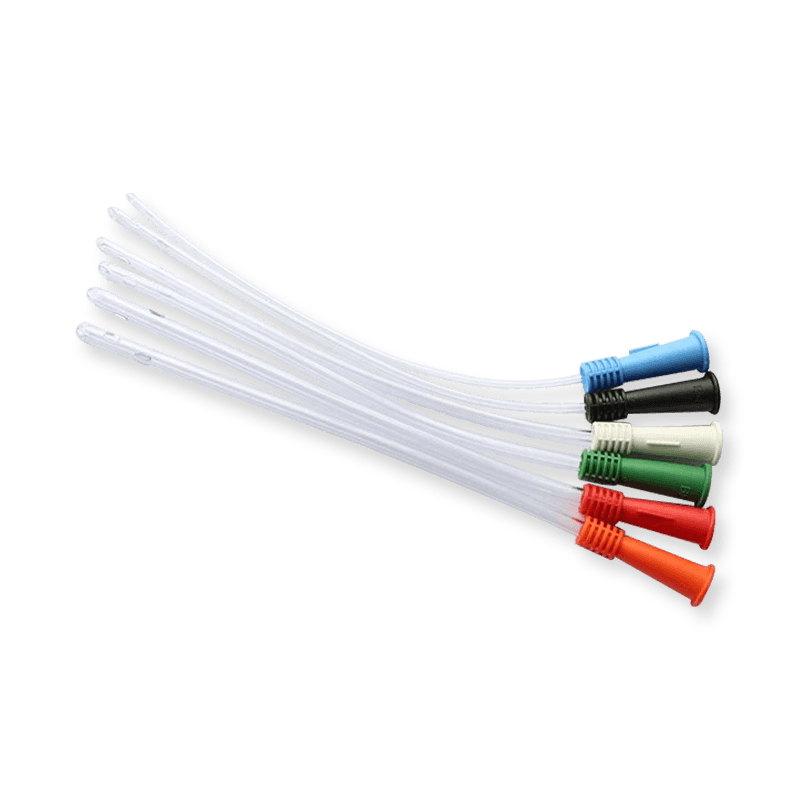
Intermittent catheterization (IC) helps males with a variety of urinary problems and drains urine successfully from the bladder. It also can help restore bladder function and reduce the risk of infection by lowering bladder pressure. Today Bever Medical will share detailed information about intermittent catheterization, including when it is appropriate, how to prepare, how to use it, and some practical tips to make the procedure easier and safer. Who Needs Male Intermittent Catheterization? The following people may need male intermittent catheters 1. Neurogenic Bladder Patients with conditions like spinal cord injuries, multiple sclerosis, or Parkinson’s disease often struggle to empty their bladder due to impaired nerve signals. 2. Low-Tension Bladder Atonic bladder muscles may lead to incomplete voiding, increasing the risk of urinary tract infections (UTIs). IC helps reduce residual urine and prevent complications. 3. Overflow Incontinence Caused by conditions like benign prostatic hyperplasia (BPH) or urethral strictures, intermittent catheterization can manage overflow incontinence for patients who are not suitable for surgery. 4. Post-Surgical Needs Patients recovering from pelvic surgeries, such as bladder reconstruction or prostate procedures, may require intermittent catheterization to aid healing and ensure bladder emptying. 5. Bladder Compliance Issues Conditions like diabetes can lead to a high-compliance bladder, requiring periodic drainage to prevent over-distension. Preparing for Intermittent Catheterization To ensure a smooth and hygienic process, proper preparation is essential. Here are the recommended tools and steps: 1. Essential Tools Male intermittent catheters: These catheters are longer than the female urethra, like pre-lubricated, hydrophilic-coated catheters, etc. Lubricants: Water-soluble lubricants make insertion easier and reduce discomfort. Clean cotton wipes: For cleaning the urethral opening before catheterization. Collection container or measuring cup: To collect and measure the drained urine. Sterile gloves (optional) 2. Positioning The patient should adopt a comfortable position. Sitting, standing, or lying down are all suitable, depending on individual preference and mobility. 3. Hygiene Protocol Wash hands thoroughly with soap and water. Clean the urethral opening (meatus) with a cotton wipe, moving from the center outward in a circular motion. Step-by-Step Guide to Male Intermittent Catheterization 1. Insert the Catheter Applying lubricant to the catheter’s tip can reduce friction during insertion. Hold the penis upward at a slight angle, and slowly insert the catheter into the urethra while the patient takes deep breaths to relax. Continue insertion until urine begins to flow. 2. Drain the Bladder Allow the urine to flow completely into the collection container. Gently push the catheter an additional 1–2 cm after urine flow starts until the bladder is fully emptied. 3. Remove the Catheter Once urine flow ceases, slowly and carefully remove the catheter to avoid irritation. 4. Clean the Catheter Rinse the catheter with clean water, ensuring the inner lumen is thoroughly washed. Soak it in a disinfectant solution before storing it in its protective case. Post-Catheterization Care It is critical for preventing infections and maintaining usability through proper catheter management. Adhering to the following tips can help a lot: Replace the disinfectant solution used for soaking catheters daily to maintain sterility. Please replace catheters regularly or as advised by a healthcare professional, even if they appear clean. Conduct regular urine cultures (every 1–3 months) to check for asymptomatic bacteriuria or infections. Common Challenges and How to Address Them 1. Urinary Tract Infections (UTIs) IC reduces the risk of UTIs compared to indwelling catheters. If symptoms like foul-smelling or cloudy urine, lower abdominal pain, or fever appear, consult a healthcare provider promptly. Important: Stay hydrated and follow strict hygiene practices during catheterization. 2. Catheter Insertion Discomfort Ensure adequate lubrication and relaxation during insertion. Water-soluble lubricants are recommended to minimize irritation. 3. Bladder Spasms These may occur occasionally, especially for beginners. Consult a doctor if spasms persist. 4. Difficulty with Self-Catheterization Patients with limited mobility or cognitive impairments may need assistance from caregivers. It is significant to give patients caregiver training to ensure safe and hygienic catheterization. Special Considerations Urethral Abnormalities: Patients with strictures, obstructions, or tumors may require specialized catheters like the Coude catheter, hydrophilic intermittent catheter, etc. Small Bladder Capacity: Those with a bladder capacity below 200 mL might need more frequent catheterization. Post-Surgical Care: Patients with urethral stents or artificial prosthetics should follow specific medical guidelines. Enhancing Convenience with Useful Tools Several accessories can simplify the process of intermittent catheterization for male patients: Pre-Lubricated Catheters: Reduce preparation time and ensure smoother insertion. Urine Measurement Tools: Measuring cups or diaries help track urine output, which is critical for diagnosis and management. Disposable Catheters: For patients at high risk of infection, single-use catheters may be preferable. Conclusion Intermittent catheterization is a safe and effective way to manage bladder dysfunctions in male patients. By using male intermittent catheters and adhering to the right ways, patients can greatly reduce the risk of complications while improving their quality of life. Bever Medical offers OEM intermittent catheters for males and females, they are made of medical material, and designed for optimal comfort and ease of use. Now explore Bever Medical intermittent catheter products and find bladder care solutions here.
View More +-
06 Dec 2024
-
30 Nov 2024
A Coude catheter is a specialized type of urinary catheter that is particularly useful for patients experiencing anatomical obstructions in the urinary tract. Unlike standard straight catheters, which feature a simple tubular design, Coude catheters are characterized by their curved or angled tip. This unique design helps to navigate the catheter past obstacles like an enlarged prostate or urethral strictures, which can make conventional catheterization difficult or impossible. In this article, we will explore the design features of Coude catheters, their clinical applications, and the benefits they offer to both healthcare providers and pat Design Features of Coude Catheters Curved Tip The most distinctive feature of the Coude catheter is its curved or angled tip. The curve is typically more pronounced than that of a standard catheter, which helps it navigate through challenging anatomical structures. The curvature of the tip can vary from a slight bend to a more acute angle, depending on the specific needs of the patient and the nature of the obstruction. The curvature allows the catheter to bypass areas of the urethra that may be blocked or narrowed, such as an enlarged prostate or a urethral stricture. Materials Coude catheters are made from various materials, each with its own set of advantages. The most common materials used are: Latex: Latex catheters are soft and flexible but may cause allergic reactions in some patients. Silicone: Silicone catheters are more hypoallergenic and have a smoother surface, reducing the risk of irritation and infection. They are commonly used for long-term catheterization. PVC (Polyvinyl Chloride): PVC catheters are durable and are often used for short-term catheterization. Male Coude Tip Intermittent Catheters Some high-performance Coude catheters are coated with hydrophilic materials. These coatings, when activated with water or saline, create a slippery surface, making the catheter easier to insert and reducing friction, thereby minimizing trauma to the urethra. Sizes and Flexibility Coude catheters come in a wide range of sizes, typically measured using the French scale (Fr). This scale ranges from small (e.g., 6Fr) to large (e.g., 24Fr or more) diameters. The flexibility of the catheter is an important design consideration. While some Coude catheters are designed to be stiff for better control during insertion, others are more flexible to accommodate various anatomical conditions and patient preferences. Graduated Markings Many Coude catheters include graduated markings along the shaft, which help healthcare providers measure the depth of insertion and ensure accurate placement. These markings are useful for both short-term catheterization and long-term use. Insertion Sleeve Some Coude catheters come with an insertion sleeve, which helps to minimize handling and contamination of the catheter. The sleeve also assists in achieving proper orientation of the curved tip, ensuring smoother insertion. Clinical Applications of Coude Catheters Coude catheters are primarily used in patients who experience difficulties with conventional straight catheters due to anatomical obstructions or other issues that affect the urethra. Below are some of the most common clinical situations where Coude catheters are used: 1. Benign Prostatic Hyperplasia (BPH) Problem: Benign prostatic hyperplasia, or an enlarged prostate, is a common condition in older men. The enlarged prostate can obstruct the urethra, making it difficult or even impossible for a straight catheter to pass through. Solution: The curved tip of the Coude catheter helps bypass the enlarged prostate, allowing the catheter to reach the bladder more easily. This makes the Coude catheter particularly useful for patients with urinary retention due to BPH. 2. Urethral Strictures Problem: Urethral strictures are caused by scarring or narrowing of the urethra, which can occur due to trauma, infection, or previous surgeries. The narrowing makes it difficult for a straight catheter to pass through the urethra. Solution: The angled design of the Coude catheter enables it to navigate past these strictures. The catheter's tip is designed to follow the natural curve of the urethra, helping to minimize the risk of injury and ensuring more successful catheterization. 3. Post-Surgical Urological Care Problem: After urological surgeries such as prostatectomy, bladder surgery, or pelvic surgeries, patients may experience temporary or permanent anatomical changes that make catheterization more difficult. Solution: For these patients, a Coude catheter can be a valuable tool for managing urinary retention or incontinence during the post-operative recovery period. Its curved tip helps avoid trauma to delicate tissues and allows for easier insertion through areas that may have been affected by surgery. 4. Spinal Cord Injury and Neurological Disorders Problem: Patients with spinal cord injuries, multiple sclerosis, or other neurological conditions may have difficulty with bladder control. These patients may also have changes in their urethral anatomy, which makes catheterization challenging. Solution: Coude catheters are often used for patients with neurological conditions. The curved tip aids in intermittent catheterization for individuals with limited sensation or control over their urinary tract, helping to maintain proper bladder function and reduce the risk of infection. 5. Congenital or Anatomical Abnormalities Problem: In some patients, especially children, congenital or anatomical abnormalities may cause the urethra to bend or narrow, making catheterization challenging. Solution: The Coude catheter can be used to navigate around these abnormalities, ensuring safe and effective catheter insertion. This makes it an ideal choice for pediatric patients who may require frequent catheterization due to neurogenic bladder or other conditions. Benefits of Coude Catheters Easier Insertion in Challenging Anatomies: The most significant advantage of the Coude catheter is its ability to navigate past obstructions, whether from an enlarged prostate, urethral strictures, or anatomical variations. This provides a more effective solution when a straight catheter cannot be used. Reduced Risk of Urethral Trauma: The design of the Coude catheter helps minimize the risk of trauma during insertion, which is particularly important for patients with sensitive or compromised urethral tissue. Improved Patient Comfort: Many patients find that the Coude catheter is more comfortable than a straight catheter, especially when dealing with obstructions. The catheter's design allows for easier insertion, reducing pain and discomfort. Minimized Complications: Because Coude catheters are designed to avoid trauma and reduce friction during insertion, they can help minimize complications like urethral injury and infection. Improved Success Rate: For patients with difficult-to-navigate anatomical structures, Coude catheters offer a higher success rate in bladder catheterization, helping to maintain better urinary function and reduce the need for more invasive procedures. Challenges and Considerations While Coude catheters offer many benefits, there are also challenges and considerations that must be kept in mind: Proper Insertion Technique: The curved tip requires proper alignment and technique during insertion. Inaccurate insertion can cause discomfort or injury to the urethra. Patient Training: Patients who need to use Coude catheters on their own may require training to understand how to orient the catheter properly for successful insertion. Risk of Infection: As with all catheters, there is a risk of urinary tract infections (UTIs). Ensuring proper hygiene, using sterile techniques during insertion, and following guidelines for catheter care are essential in minimizing this risk. Conclusion Coude catheters are essential tools in the management of patients with anatomical obstructions, making them invaluable for individuals with conditions like BPH, urethral strictures, or those recovering from urological surgeries. With advancements in design, materials, and patient comfort features, Coude catheters have evolved from basic models to high-performance options that improve patient outcomes and ease the process of catheterization. By offering greater flexibility, better control, and reduced risk of complications, Coude catheters play a key role in ensuring effective urinary management for a wide range of patients. About BEVER Medical BEVER Medical offers a comprehensive range of continence care products and urological supplies, meticulously designed to address diverse needs with exceptional quality and reliability. Our solutions are crafted with the primary goal of enhancing the quality of life for individuals dealing with incontinence, ensuring optimal comfort, protection, and ease of use. From discreet and absorbent incontinence products to advanced urological devices tailored for various conditions, we focus on innovation and practicality. BEVER Medical is committed to supporting our users with products that are not only functional but also empower them to lead confident and active lives. Each item in our range reflects our dedication to comfort, safety, and improving daily living experiences.
View More + -
28 Nov 2024
Coude catheters are specialized medical devices designed to facilitate urinary catheterization in patients with certain anatomical challenges. While most catheter insertions in females can be performed using a standard straight catheter, the Coude catheter is often the preferred choice when there are difficulties in navigating the urethra. The "coude" tip, which is slightly curved, enables the catheter to bypass anatomical obstructions or navigate through a more tortuous urethra, allowing for easier and safer insertion. This article provides a comprehensive overview of the process of Coude catheter insertion in female patients, including indications, technique, and patient considerations. Indications for Coude Catheter Use In females, the urethra is typically shorter and more straightforward than in males, making catheterization generally less complicated. However, certain conditions can complicate catheter insertion and make a Coude catheter necessary: Urethral Strictures: Narrowing of the urethra due to scarring from previous infections, surgeries, or injury can make it difficult to insert a straight catheter. The curved tip of a Coude catheter is designed to navigate these strictures. Enlarged Prostate (in elderly women): Although prostate enlargement is not common in females, post-menopausal women may experience conditions like pelvic organ prolapse that cause urethral displacement or obstruction, leading to difficult catheterization. Neurological Conditions: Disorders such as spinal cord injury, multiple sclerosis, or diabetes-related neuropathy can affect bladder function and the sensation needed to direct a straight catheter. In these cases, a Coude catheter may be easier to use as it requires less precision for insertion. Pelvic Organ Prolapse: A condition in which the bladder, uterus, or rectum descends into the vaginal canal can alter the normal position of the urethra, complicating catheter insertion. Anatomical Variations: Some women may have a naturally curved or tortuous urethra that can make the insertion of a straight catheter difficult or impossible. Preparation and Technique Before performing a Coude catheter insertion, it's crucial to ensure both the patient and the clinician are adequately prepared. The insertion should be done under sterile conditions to minimize the risk of urinary tract infections (UTIs). Patient Positioning: The patient should be positioned in a comfortable, relaxed manner to facilitate insertion. For females, the supine position with knees bent and legs apart is commonly used. Some patients may also be asked to roll slightly to one side to aid in urethral alignment. Sterile Technique: The healthcare provider should wear sterile gloves and ensure that all equipment is sterile. A sterile drape is used to cover the patient’s genital area. Lubrication is essential to reduce discomfort and allow for smoother catheter passage. A water-based lubricant is typically used to avoid irritation. Visualizing the Urethra: Before inserting the catheter, the clinician should visualize the urethral meatus (the opening of the urethra) and gently cleanse the area using antiseptic solution. This step helps reduce the risk of introducing bacteria into the urinary tract. Insertion of the Coude Catheter: The Coude catheter should be inserted with the curved tip facing up (toward the abdominal wall). Using gentle, consistent pressure, the catheter is advanced slowly into the urethra. If resistance is encountered, it is important not to force the catheter, as this can cause injury. Instead, the clinician should adjust the angle or gently manipulate the catheter to navigate the curve. Advancing the Catheter: Once the catheter has successfully navigated any curves or obstructions, it is advanced to the bladder, where urine flow is typically observed. If the patient has difficulty urinating or the catheter fails to enter the bladder, further assessment may be necessary to rule out other complications such as bladder stones or significant urethral blockage. Securing the Catheter: After successful insertion, the catheter should be secured to prevent accidental dislodgement. This may involve attaching the catheter to a leg strap or using a retention balloon to hold the catheter in place. Patient Considerations and Comfort While Coude catheter insertion is generally safe, it is essential to consider the patient's comfort and psychological well-being throughout the procedure. Pain Management: The insertion of a catheter can be uncomfortable, and patients may experience mild to moderate pain, particularly if the urethra is narrow or if there are any obstructions. Topical anesthetics or local anesthesia may be used to minimize discomfort. Some patients may require sedatives or muscle relaxants to help them remain relaxed during the procedure. Emotional Support: Catheterization can be an invasive procedure, and patients may feel anxious, embarrassed, or distressed. Offering reassurance, explaining the procedure, and maintaining a professional, compassionate demeanor can help reduce these feelings. Post-Procedure Care: After the catheter is in place, it is important to monitor for signs of infection, such as fever, redness at the insertion site, or changes in urine output. Patients should also be educated on how to care for the catheter, maintain hygiene, and recognize any signs of complications. Conclusion Coude catheter insertion in female patients is a valuable technique for managing difficult catheterization situations. By utilizing the curved tip of the catheter, clinicians can successfully navigate anatomical obstructions and ensure that patients receive the necessary care with minimal discomfort. Proper technique, patient positioning, and attention to sterility are key factors in ensuring the procedure's success and minimizing complications. Furthermore, emotional and pain management considerations play an important role in providing a positive experience for patients undergoing this procedure. With the right care and preparation, Coude catheter insertion can significantly improve the quality of life for patients experiencing urinary retention or other complications. About BEVER medical BEVER medical female catheter and intermittent catheter are engineered with a focus on patient comfort, safety, and ease of use, making them an ideal choice for bladder management. Designed to meet the needs of individuals seeking discreet, hygienic, and effective solutions, BEVER medical female catheters are crafted from high-quality, biocompatible materials that minimize friction during insertion, reducing discomfort and the risk of irritation. The catheters feature smooth, soft surfaces that allow for a gentle, efficient insertion process, offering enhanced comfort during use. Their ergonomic design ensures a secure and controlled experience, making it easier for users to manage their bladder health independently. Each catheter is thoroughly tested for reliability and durability, ensuring consistent performance with every use. For healthcare providers, distributors, and medical device companies, female intermittent catheters may also need to meet specific requirements for product specifications, packaging, labeling, and market regulations. Consistent product quality and reliable supply are important considerations for organizations sourcing intermittent catheters for hospitals, clinics, homecare, and other healthcare settings. BEVER Medical provides female catheter and intermittent catheter solutions for different healthcare applications and market requirements. Product specifications and packaging options can be adapted to meet different project and market needs.
View More +
-
26 Nov 2024
The answer is YES, but it depends on the specific circumstances. Due to the shorter and straighter nature of the female urethra, most cases do not require a Coudé catheter, as standard catheters are often sufficient. However, in situations such as urethral strictures, abnormal urethral openings, or complex anatomical structures, a Coudé catheter might be a more suitable choice for female patients. About female coude catheter, you can know more information here.v What Is a Coudé Catheter? A Coudé catheter features a unique curved tip (typically angled at the 12 o'clock position), designed to navigate obstructions or narrow areas in the urethra. Compared to standard straight catheters, the Coudé catheter provides greater comfort and is better suited for challenging clinical scenarios. Hydrophilic Intermittent Catheter Coude How Does It Differ From Standard Catheters? Standard catheters are straight and are generally appropriate for most patients without urethral abnormalities. However, they may not easily bypass obstructions or other structural challenges. The curved tip of a Coudé catheter reduces friction and trauma to the urethral walls, making it a preferred choice in more complex situations. While primarily used in male patients, it can also be advantageous for certain female patients. Is It Safe to Use a Coudé Catheter on Female Patients? Yes, Coudé catheters are safe for female patients, but their application should be determined by a healthcare professional when using. Because the female urethra is shorter and straighter, a standard catheter is sufficient in most cases. However, in specific situations such as urethral strictures, abnormal urethral openings, or complex anatomical conditions, a Coudé catheter may be a greater option. When Is a Coudé Catheter Recommended for Female Patients? Generally, female patients have a broader selection of catheter options. But in the following cases, Coudé catheters are a safer and more comfortable choice: 1. Urethral Strictures: When strictures caused by trauma, surgery, or illness make the urethra narrow, a Coudé catheter can bypass the obstruction more easily. 2. Abnormal Urethral Anatomy: If the urethral opening is in an unusual position or the anatomy is otherwise complex, standard catheters may not work effectively, making the Coudé catheter a better alternative. 3. Post-Surgical Cases: Following bladder neck or urethral surgeries, irregularities in the urethra might require the flexibility of a Coudé catheter. 4. Chronic Urinary Retention: For patients needing frequent catheterization, a Coudé catheter can reduce the risk of urethral trauma. How to Properly Insert a Coudé Catheter for Female Patients 1. Preparation and Cleaning Wash hands thoroughly and wear sterile gloves. Prepare lubricant, a sterile catheter, and a urine collection bag. 2. Patient Positioning Position the patient lying on her back with knees slightly bent and legs apart to expose the urethral opening. 3. Cleanse the Urethral Area Use sterile swabs to clean the urethral opening and surrounding area, wiping from the inside out to reduce infection risk. 4. Lubricate the Catheter Apply a sterile lubricant to the catheter tip to minimize friction during insertion. 5. Insert the Catheter Gently insert the catheter with the curved tip pointing upward (12 o'clock position). Move slowly and avoid forcing it if resistance is encountered. Once the catheter reaches the bladder, urine will flow out, indicating successful insertion. 6. Secure the Catheter If an indwelling catheter is required, inflate the retention balloon to secure it in place. 7. Monitor and Record Observe the urine output and record the volume to evaluate the effectiveness of the procedure. Potential Risks and Precautions for Using a Coudé Catheter on Women While Coudé catheters offer unique advantages, they also carry potential risks. Proper precautions should be taken to mitigate these risks: 1. Infection Risk Urinary tract infections (UTIs) are the most common complication. Strict adherence to aseptic techniques and regular catheter replacement are essential to minimize this risk. 2. Urethral Trauma Improper insertion or forcing the catheter can cause damage to the urethral walls, leading to bleeding or injury. Always proceed gently and stop if resistance is encountered. 3. Urethral Spasms or Discomfort Some patients may experience spasms or discomfort during insertion. Consider consulting a doctor about using a local anesthetic if needed. 4. Complications of Long-Term Use Prolonged catheterization may lead to urethral inflammation or stone formation. Periodic assessment of catheter necessity and timely replacement are crucial. If any issues happened, must consult your healthcare provider. Alternatives to Coudé Catheters for Female Patients In cases where a Coudé catheter may not be suitable, consider the following alternatives 1. Standard Straight Catheters Good choice for patients without obstructions or anatomical abnormalities. 2. Silicone Catheters Made from soft, hypoallergenic material, these are suitable for patients with latex allergies. 3. Intermittent Catheterization Periodic insertion can reduce the risk of infection compared to an indwelling catheter. 4. Surgical Intervention For severe obstructions or structural abnormalities, surgery may offer a long-term solution. Conclusion Coudé catheters adopt a unique curved-tip design, good for managing urinary obstructions. Also, female patients can benefit from it sometimes. For example, Bever Medical Coudé catheters are made of DEHP-free PVC material, ensuring an optimal balance of flexibility and comfort to facilitate smooth insertion while reducing the risk of bacterial growth. Using a Coudé catheter must adhere to aseptic techniques and proper insertion methods. As an OE supplier, Bever Medical is committed to providing high-quality continence care products and solutions tailored to meet diverse patient needs. If you don't know the right catheter type, you should follow the doctor's suggestion.
View More +
-
25 Nov 2024
For most people, urination is a natural process without any obstacles. However, for those who experience difficulty urinating, it can be challenging to do so independently. In such cases, a catheter may be necessary to assist with urination and help the patient maintain a normal quality of life. What Is a Coude Catheter and When Is It Used? A Coudé catheter is a medical device designed for urinary catheterization. Compared with straight-tip catheters, it features a slightly angled tip, making it ideal for navigating around obstructions in the urethra, such as an enlarged prostate or strictures. Produced in the early 20th century, the Coudé catheter was created to improve patient comfort and reduce trauma during insertion. Over time, with advancements in materials and technology, it has been a must-have tool in modern urology, particularly for managing urinary retention and other related conditions. When It Used? Enlarged prostate Urethra stricture Difficult catheterization When less trauma is needed Step-by-Step Guide to Placing a Coude Catheter Safely How Male Insert a Coudé Catheter? 1. Prepare the Equipment A sterile Coudé catheter, lubricating jelly, gloves, and a drainage bag. Make sure all equipment is sterilized and laid out in a clean area. 2. Lie Flat (Patient) The patient lies flat on their back with their legs slightly apart. 3. Clean the Insertion Area Clean the genital area thoroughly with an antiseptic solution. Retract the foreskin (if applicable) to expose the urethral opening. 4. Lubricate the Catheter Apply a generous amount of sterile lubricant to the catheter's tip. 5. Insert the Catheter Hold the penis at a 90-degree angle to the body. Keep the Coudé catheter's curved tip pointing upward (towards the 12 o'clock position). Insert the catheter slowly and gently, advancing it until urine begins to flow. 6. Inflate the Balloon (If Applicable) Once urine flows, inflate the retention balloon with sterile water to secure the catheter in place. 7. Attach the Drainage Bag Connect the catheter to the drainage bag and ensure the tube is not kinked. 8. Secure and Monitor Secure the catheter to the thigh or abdomen with tape to prevent movement. Monitor for any signs of discomfort or complications. How Female Insert a Coudé Catheter? The equipment preparation is the same as the male. 1. Patient The female patient lies on their back with knees bent and legs apart (dorsal lithotomy position). 2. Clean the Insertion Area Clean the urethral area and surrounding region thoroughly with an antiseptic solution. 3. Lubricate the Catheter Apply a generous amount of sterile lubricant to the catheter's tip. 4. Insert the Catheter Identify the urethral opening (just above the vaginal opening). Keep the Coudé catheter's curved tip pointing upward (towards the 12 o'clock position). Then insert the catheter slowly and gently until urine begins to flow. 5. Inflate the Balloon (If Applicable) Once urine flows, inflate the retention balloon with sterile water to secure the catheter. 6. Attach the Drainage Bag Connect the catheter to the drainage bag and ensure the tube is not kinked. 7. Secure and Monitor Secure the catheter to the thigh to prevent movement. And monitor for any discomfort or complications. If you are using it by yourself, you can follow the above tips. However, it is important to have proper training on how to use it. Coude Catheter Challenges and How to Overcome Them Catheterization requires inserting a catheter through the urethra into the bladder. For some patients, the process is painful. For example, women usually have shorter urethras, which are relatively straight and wide, so the discomfort caused by catheterization is slightly better. Pain and Discomfort During Insertion For men, the urethra is 18-20cm long and relatively narrow, so there will inevitably be more difficulties and discomfort when inserting a catheter. For middle-aged and elderly men, prostate hyperplasia compresses the urethra, which will further increase the difficulty of catheterization. Therefore, use sufficient lubricant to reduce friction and discomfort. Insert the catheter slowly and gently, avoiding any forceful movements. Risk of Infection Improper sterile technique or incorrect catheter use can increase the risk of urinary tract infections. It is crucial to follow strict sterile procedures and ensure the cleanliness of the catheter and related tools. Patient Anxiety or Fear Before the procedure, explain the steps and sensations in detail to help reduce the patient’s anxiety. Encourage them to take deep breaths and relax, which can alleviate discomfort. Technical Challenges with Self-Use Provide patients with detailed instructions and ensure they receive professional training before attempting to use a Coudé catheter on their own. Summary If you have been trained and plan to try using it on your own, this comprehensive guide can be a valuable resource. It's normal to encounter difficulties during your first attempt, so feel free to to seek help from your doctor. Their guidance can make future self-use much smoother. Additionally, Bever Medical Coudé Catheter products are designed to provide enhanced comfort and efficiency, making the process more manageable for users.
View More +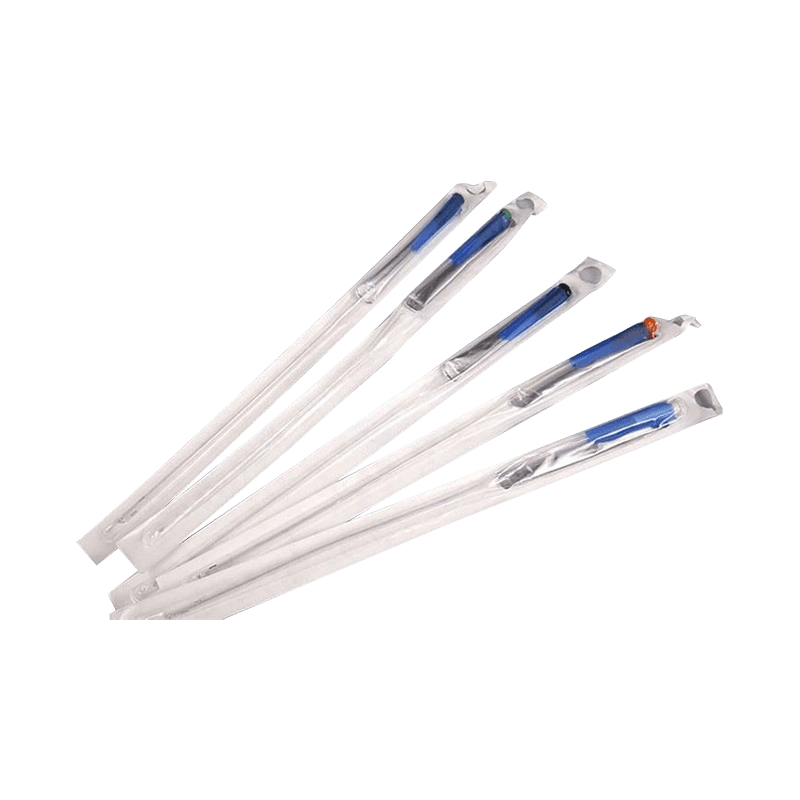
-
22 Nov 2024
Intermittent catheters are widely used by men who need assistance draining their bladder due to conditions like urinary retention, neurogenic bladder, or post-surgical recovery. These catheters are temporary, single-use devices that offer flexibility, safety, and control over bladder management. For men, intermittent catheters come in various designs and materials to accommodate individual anatomy, preferences, and specific medical requirements. Below is a detailed overview of the different types of intermittent catheters for men and their unique features. 1. Straight Tip Intermittent Catheters Straight tip catheters are the most basic type of intermittent catheter. As the name suggests, they have a straight, smooth tip and are inserted through the urethra into the bladder to drain urine. Key Features: ·Simple Design: Easy to use and widely available. ·Cost-Effective: Typically less expensive than specialized catheters. ·Material Options: Available in latex-free materials such as silicone or PVC to reduce the risk of allergies. Best For: ·Men with no significant obstructions in the urethra. ·Patients new to catheterization or with straightforward needs. 2. Coude Tip Intermittent Catheters Coude tip catheters are characterized by a slightly curved or angled tip, designed to navigate around anatomical obstructions, such as an enlarged prostate or urethral strictures. Key Features: ·Curved Tip: Easier insertion for men with urinary tract blockages. ·Directional Marking: Some coude catheters have markings on the hub to indicate the position of the angled tip during insertion. ·Material Variants: Available in flexible silicone or firmer materials for better control. Best For: ·Men with benign prostatic hyperplasia (BPH). ·Patients with urethral scarring or strictures. 3. Hydrophilic Intermittent Catheters Hydrophilic catheters have a coating that becomes slippery when activated by water or saline, making insertion smoother and more comfortable. Key Features: ·Pre-Lubricated Surface: Reduces friction, minimizing irritation and discomfort. ·Sterile Packaging: Often comes with an integrated water packet for convenience. ·Touch-Free Insertion: Many designs include sleeves or grippers to reduce contamination risk. Best For: ·Men prone to urethral irritation or discomfort during insertion. ·Those who require frequent catheterization and prioritize comfort. 4. Pre-Lubricated Intermittent Catheters Similar to hydrophilic catheters, pre-lubricated catheters come ready to use with a lubricating gel already applied. Key Features: ·Ready-to-Use Convenience: No additional preparation or lubrication is required. ·Sterile Packaging: Ensures cleanliness and reduces infection risk. ·Portable: Ideal for travel or on-the-go use. Best For: ·Men who value convenience and quick catheterization. ·Patients with busy lifestyles or limited dexterity. 5. Closed-System Intermittent Catheters A closed-system catheter is a self-contained device with a catheter housed inside a sterile bag. This design minimizes the risk of infection by reducing direct contact with the catheter. Key Features: ·Touch-Free Insertion: A protective sheath or pre-connected bag prevents hand contact with the catheter. ·Integrated Drainage Bag: Eliminates the need for an external urine collection device during catheterization. ·Portable and Discreet: Compact design for use anywhere. Best For: ·Men at high risk of urinary tract infections (UTIs).> ·Patients with limited access to sterile environments. 6. Reusable Intermittent Catheters While most intermittent catheters are single-use, reusable catheters are made from durable materials like silicone, allowing multiple uses when properly cleaned and sterilized. Key Features: ·Cost-Effective: Can be reused multiple times, reducing overall expense. ·Durable Materials: Designed to withstand cleaning and repeated use. ·Eco-Friendly Option: Generates less medical waste compared to disposable catheters. Best For: ·Men seeking an economical or environmentally conscious solution. ·Patients with access to proper cleaning supplies and sterilization tools. 7. Compact or Pocket Intermittent Catheters Compact intermittent catheters are designed for maximum portability and discretion. These catheters are shorter or telescoping, allowing them to fit into small cases or pockets. Key Features: ·Travel-Friendly: Small size makes them easy to carry in a pocket or bag. ·Discreet Packaging: Ideal for use in public or workplace settings. ·Ease of Use: Often pre-lubricated for quick and simple application. Best For: ·Men who travel frequently or lead an active lifestyle. ·Patients who prioritize privacy and discretion. Choosing the Right Intermittent Catheter The best type of intermittent catheter for men depends on several factors: 1.Medical Needs:A straight-tip catheter may suffice for general use, while a coude-tip catheter is better for those with anatomical challenges. 2.Comfort and Convenience:Hydrophilic and pre-lubricated catheters reduce discomfort and simplify insertion. 3.Lifestyle Considerations:Compact and closed-system catheters are ideal for men on the go. 4.Infection Risk:Closed-system and hydrophilic options are recommended for those prone to UTIs.> 5.Frequency of Use:Men who catheterize multiple times daily may benefit from hydrophilic or pre-lubricated catheters to minimize irritation. Working with Intermittent Catheter Suppliers Accessing high-quality catheters from trusted suppliers ensures comfort, safety, and reliability. Look for suppliers offering: ·A variety of catheter types and sizes. ·Educational resources and customer support. ·Discreet shipping options for privacy. Popular brands like Coloplast, Hollister, and Bard provide advanced intermittent catheter solutions tailored to individual needs. Conclusion Intermittent catheters for men come in diverse styles to address unique medical conditions, comfort levels, and lifestyle requirements. From the simplicity of straight-tip catheters to the advanced design of hydrophilic and closed-system options, there's a catheter for every situation. Collaborating with healthcare providers and choosing reliable suppliers ensures the best outcomes, empowering men to manage their urinary health with confidence.
View More +