


 Deutsch
Call Us
TEl: +86-13148388090
Fax:+86-571-88616515

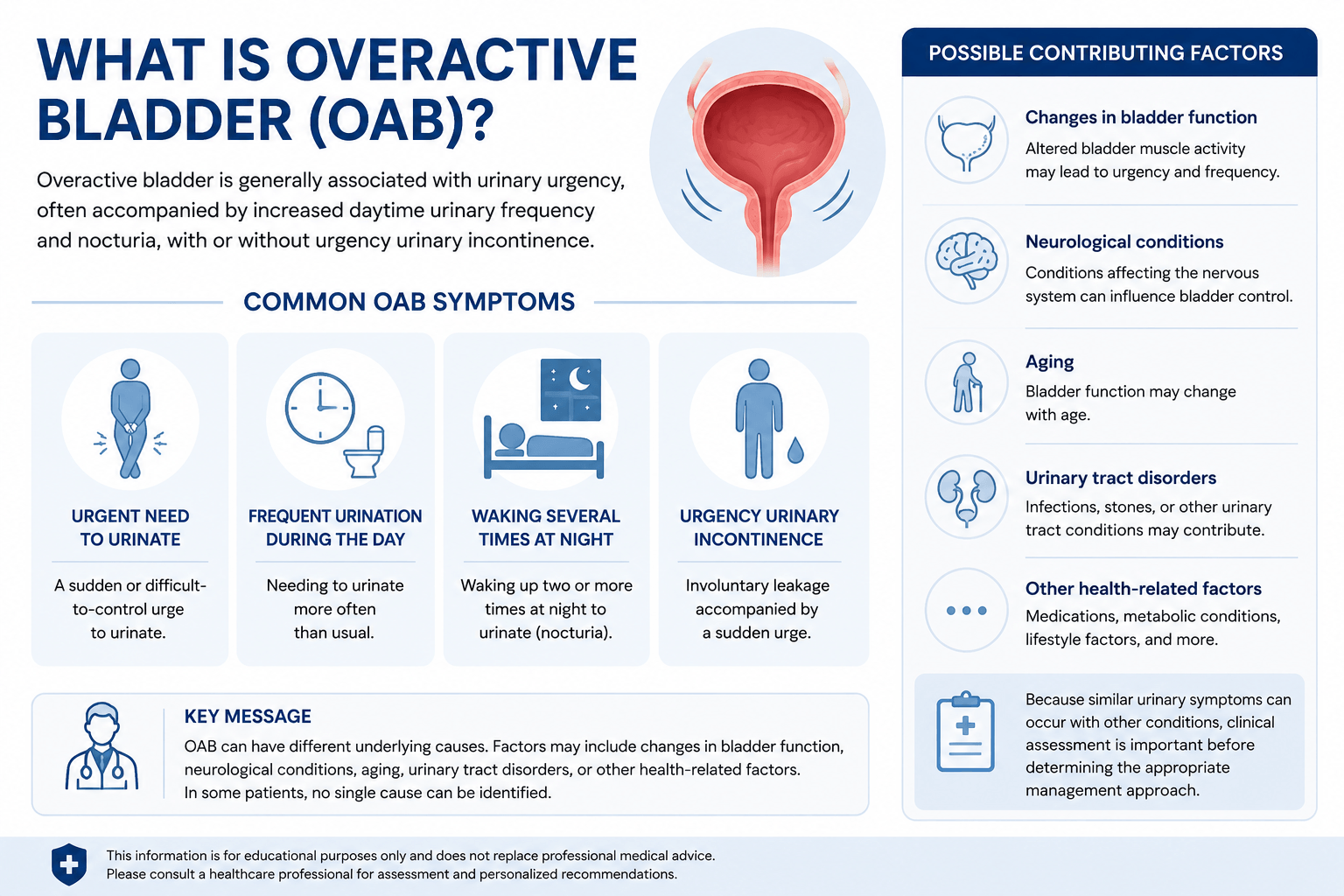
Overactive bladder (OAB) is a common urinary condition characterized primarily by a sudden and difficult-to-control urge to urinate. It may also involve urinary frequency, nocturia, and urgency urinary incontinence. OAB can affect daily activities, sleep quality, work, and overall quality of life.
For healthcare providers, however, it is important to distinguish OAB from conditions that affect the ability to empty the bladder. While OAB and urinary retention can sometimes occur together, they represent different aspects of bladder dysfunction. Understanding this distinction is important when determining an appropriate bladder management strategy, including whether intermittent catheterization may be considered.

Overactive bladder is generally associated with urinary urgency, often accompanied by increased daytime urinary frequency and nocturia, with or without urgency urinary incontinence.
Common OAB symptoms include:
OAB can have different underlying causes. Factors may include changes in bladder function, neurological conditions, aging, urinary tract disorders, or other health-related factors. In some patients, no single cause can be identified.
Because similar urinary symptoms can occur with other conditions, clinical assessment is important before determining the appropriate management approach.
OAB primarily involves the storage phase of bladder function. The bladder may signal an urgent need to urinate even when it is not completely full.
Urinary retention, on the other hand, involves difficulty emptying the bladder. A person may have difficulty starting urination, have a weak or interrupted urinary stream, or continue to feel that the bladder has not emptied after urination.
These conditions are different, but they may coexist in some patients. For example, a patient with neurological dysfunction or other bladder disorders may experience both urinary urgency and incomplete bladder emptying.
This distinction is particularly relevant when considering intermittent catheterization. OAB itself does not generally mean that a patient needs intermittent catheterization.Catheterization is primarily associated with situations in which the bladder cannot be adequately emptied.
Intermittent catheterization is a method of periodically emptying the bladder using a catheter that is inserted through the urethra and removed after drainage.
Healthcare professionals may consider intermittent catheterization when a patient has conditions such as:
Whether intermittent catheterization is appropriate depends on the patient's clinical condition and should be determined by a qualified healthcare professional.
For patients who require long-term bladder management, intermittent catheterization can become part of a structured routine designed to support regular and effective bladder emptying.
Intermittent catheterization can help patients who are unable to empty their bladder adequately through normal urination.
Unlike an indwelling catheter, an intermittent catheter is inserted when bladder drainage is needed and then removed. This approach may provide greater flexibility for patients who require periodic bladder emptying.
Catheter selection and catheterization schedules vary according to individual needs. Healthcare providers may consider factors such as bladder capacity, frequency of catheterization, patient mobility, dexterity, anatomy, and ability to perform self-catheterization.
Patient education is also an important part of successful bladder management. Proper catheterization technique, hygiene, handling, and adherence to the recommended routine can help support safe and consistent use.
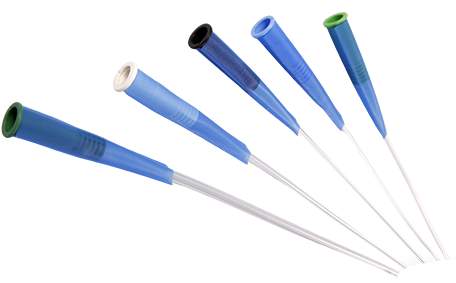
For healthcare providers, catheter selection involves more than choosing a basic catheter size. Different patients may require different catheter configurations depending on their anatomy, clinical needs, and ability to use the device.
Important considerations may include:
Catheter Size and Length
Intermittent catheters are available in different French sizes and lengths. The appropriate specification should be determined according to the patient's anatomy and clinical requirements.
Material
Common catheter materials include PVC and other medical-grade materials. Material characteristics can affect flexibility, handling, and overall user experience.
Hydrophilic and Pre-Lubricated Options
Hydrophilic and pre-lubricated intermittent catheters can provide different handling and lubrication characteristics. Healthcare providers may consider patient preference, catheterization technique, and clinical requirements when selecting an appropriate option.
Male, Female, and Pediatric Designs
Catheter length and configuration can vary for male, female, and pediatric users. Offering multiple configurations allows healthcare providers and distributors to support a wider range of continence care needs.
Packaging and Sterility
For healthcare organizations and distributors, packaging, sterilization method, shelf life, labeling, and product consistency are also important considerations when evaluating catheter products.
For healthcare providers and distributors, selecting an intermittent catheter supplier involves more than individual product specifications.
Product consistency, available sizes, materials, packaging, regulatory compliance, manufacturing capacity, and supply continuity can all influence purchasing decisions. For medical device brands and distributors, OEM and private-label capabilities may also provide flexibility in product specifications, packaging, and branding.
Working with an experienced intermittent catheter manufacturer can help healthcare and distribution partners maintain consistent product quality and reliable supply across different continence care requirements.
Effective bladder management involves more than choosing the right catheter. Healthcare providers may also need to consider patient education, catheterization technique, routine monitoring, and the patient's ability to follow the recommended care plan.
For patients with OAB symptoms, the first step is to identify the underlying bladder dysfunction. Urinary urgency and frequency do not necessarily indicate urinary retention or a need for catheterization. Clinical assessment can help distinguish bladder storage symptoms from difficulties with bladder emptying and guide an appropriate management approach.
For patients who require intermittent catheterization, selecting a suitable catheter and providing clear instructions on proper use can support safe, consistent bladder emptying as part of a long-term care plan.
Overactive bladder and urinary retention are different bladder conditions, although they may occur together in some patients. OAB is primarily associated with urinary urgency, frequency, nocturia, and urgency incontinence, while intermittent catheterization is generally used when adequate bladder emptying is difficult.
Understanding this distinction can help healthcare providers develop appropriate bladder management strategies. For healthcare organizations, distributors, and medical device companies, evaluating catheter specifications, product quality, regulatory compliance, manufacturing capability, and supply reliability is equally important when selecting an intermittent catheter supplier.
Bever Medical provides a range of intermittent catheter solutions designed for different continence care requirements, including male, female, and pediatric applications, with options that can support healthcare providers, distributors, and OEM partners.
Copyright © Hangzhou BEVER Medical Devices Co., Ltd.
The information provided on this website is intended for use only in countries and jurisdictions outside of the People's Republic of China.


