

 English
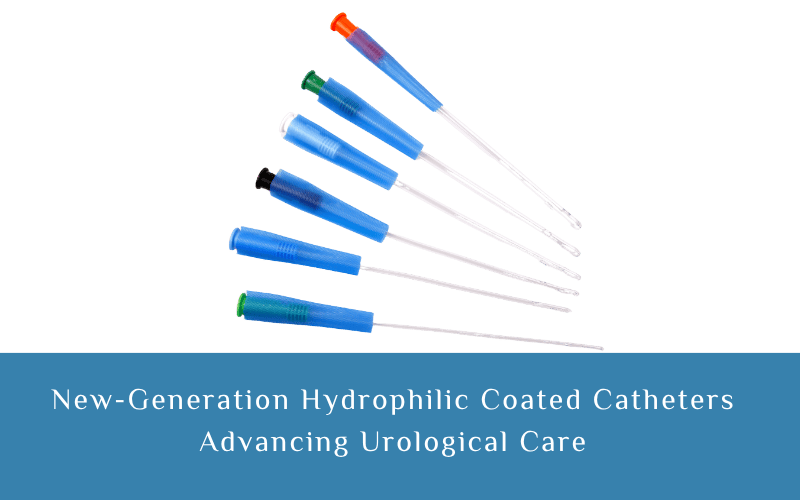
Hydrophilic Catheters: Reducing Friction and Enhancing Comfort Understanding Hydrophilic Catheters A hydrophilic catheter is designed with a surface that binds water molecules, forming a lubricious layer that reduces friction during insertion and withdrawal. This low-friction surface is particularly important for patients performing intermittent catheterization, as it helps minimize urethral microtrauma, hematuria, and discomfort. Numerous clinical studies indicate that hydrophilic catheters improve patient adherence, particularly in home-care settings where users perform multiple daily catheterizations. Clinical Advantages Reduced Urethral Trauma: The gel-like surface lowers friction, preventing tissue damage and bleeding. Enhanced Comfort: Smooth insertion and withdrawal improve patient experience. Better Compliance: Less pain and irritation encourages regular use, supporting recommended catheterization schedules. Versatility: Suitable for both hospital environments and at-home use. Hydrophilic Coated Catheters: Next-Generation Design Advanced Coating Technology The hydrophilic coated catheter represents a significant evolution from standard hydrophilic catheters. Unlike traditional catheters that require manual lubrication, coated catheters feature a permanently bonded hydrophilic layer that activates instantly upon contact with sterile water. This provides consistent lubrication along the catheter surface, reducing the risk of friction-related injury and minimizing handling, which may contribute to lower contamination risk. User-Centric Design Features Modern hydrophilic coated catheters integrate multiple design innovations aimed at improving both safety and usability: No-touch Handling Sleeves: Reduce contamination during insertion. Flexible, Kink-Resistant Shafts: Ensure smooth fluid flow and durability. Tapered, Atraumatic Tips: Facilitate easier insertion and reduce urethral irritation. Integrated Sterile Water Sachets: Allow rapid and reliable activation of the hydrophilic coating. Clinical evidence suggests that these features can reduce urethral trauma and improve patient comfort, while supporting adherence in patients who require frequent catheterization. Some studies also indicate a potential reduction in catheter-associated urinary tract infections, although results may vary depending on patient population and care conditions. Choosing the Right Catheter for Patients Hydrophilic Catheter Selection A standard hydrophilic catheter is often suitable for patients with intermittent catheterization needs of lower frequency. Its smooth surface and ease of use make it ideal for patients already familiar with self-catheterization techniques. Hydrophilic Coated Catheter Selection The hydrophilic coated catheter is particularly recommended for patients requiring high-frequency or long-term catheterization. Its pre-hydrated coating and ergonomic design reduce handling and contamination risk, offering safer and more convenient use—especially in home-care scenarios where patients or caregivers manage catheterization independently. Clinical Impact and Patient Outcomes Improving Patient Comfort Next-generation hydrophilic coated catheters significantly enhance patient comfort. By minimizing friction and urethral trauma, patients experience less pain and irritation. This improvement supports adherence to recommended catheterization schedules, which is critical for maintaining urinary health and preventing complications such as retention or trauma-related hematuria. Reducing Complications Hydrophilic coated catheters help lower the incidence of common complications: Hematuria due to urethral microtrauma Discomfort or pain during catheter insertion and removal Potential reduction in infection risk with proper handling While some studies report lower rates of urinary tract infections, evidence varies; careful hygiene and proper technique remain essential. Supporting Healthcare Providers For healthcare professionals, these catheters simplify procedural workflow, reduce the need for repeated interventions, and enhance patient safety. They also decrease caregiver burden, enabling more efficient and safer home-care management. Future Trends in Hydrophilic Catheter Technology Emerging Innovations The field of hydrophilic catheter design continues to evolve, driven by materials science and patient-centered engineering. Current trends include: Antimicrobial Coatings: To potentially reduce infection risk and improve safety. Biocompatible and Eco-Friendly Materials: Enhancing safety and sustainability. Smart Catheter Technologies: Monitoring usage patterns and patient adherence in real time. Clinical Implications These innovations aim to improve the standard of care for patients requiring intermittent catheterization. By enhancing comfort, safety, and efficiency, next-generation hydrophilic coated catheters align with the evolving needs of both patients and healthcare providers, while supporting more consistent and reliable care practices. Conclusion The evolution of hydrophilic catheters and hydrophilic coated catheters represents a major advancement in urological care. Modern designs combine low-friction surfaces, user-friendly handling, and innovative coatings to enhance patient comfort, minimize complications, and improve procedural efficiency. For healthcare providers and institutions, these devices demonstrate how thoughtful design and evidence-based innovation can transform everyday catheterization practices.
View More +-
17 Nov 2025
-
10 Dec 2025
Urinary catheterization is a vital tool for individuals who have difficulty emptying their bladder naturally. Among the different catheter types, hydrophilic catheters stand out for their enhanced comfort, ease of use, and reduced risk of urethral trauma. Hydrophilic technology has transformed intermittent catheterization, making it more manageable for patients at home, in clinical settings, and even during travel. What Is Hydrophilic Technology? Hydrophilic catheters feature a special coating that becomes slippery when activated with water. This coating forms a thin lubricating layer on the catheter's surface, reducing friction during insertion and withdrawal. Unlike standard PVC catheters, which require manual lubrication, hydrophilic catheters are either pre-lubricated or pre-coated, providing smooth, low-resistance catheterization with minimal preparation. This design helps protect the urethra from irritation or trauma, making the process more comfortable and safer. Comfort Advantages One of the main benefits of hydrophilic catheters is increased comfort. By minimizing friction, these catheters reduce the risk of urethral microtrauma, bleeding, and discomfort associated with repeated catheterization. Patients experience smoother insertion and removal, which can lower anxiety and increase confidence in self-catheterization. For many users, this technology promotes independence and enhances quality of life, particularly for those requiring long-term intermittent catheterization. Practical Tips for Use To maximize comfort and safety, proper technique is essential: Activate the coating: Immerse the catheter in water or follow the manufacturer's instructions to ensure full lubrication. Maintain correct positioning: Insert the catheter slowly and gently, following the natural curvature of the urethra. Avoid forcing the catheter if resistance occurs. Lubricant use: Most hydrophilic catheters do not require additional lubricant, though a small amount can be applied if desired for extra comfort. Real-Life Scenarios Hydrophilic catheters are convenient for everyday life. They are portable and discreet, making them suitable for travel or public use. For nighttime catheterization or elderly patients with limited mobility, the smooth surface simplifies handling and reduces discomfort. Both male and female users benefit from hydrophilic catheters, although insertion techniques may vary slightly based on anatomy. Common Questions and Misconceptions Can they be reused? Most hydrophilic catheters are single-use to ensure hygiene and safety. Why might they feel less slippery sometimes? This can occur if the coating is not fully activated or the catheter has dried before use. Does storage affect performance? Yes, improper storage, such as exposure to extreme temperatures or prolonged dryness, can reduce slipperiness. Always follow the manufacturer's instructions. BEVER Medical Product Features BEVER Medical offers hydrophilic catheters with advanced surface technology, ergonomic packaging, and smooth, consistent coatings. Their products are designed for safe, comfortable, and effective catheterization at home or in clinical settings. Features such as pre-lubricated surfaces, easy-open packaging, and high-quality materials help users gain confidence and maintain independence. Conclusion and Safety Reminder Hydrophilic technology significantly improves the comfort and safety of intermittent catheterization. By reducing friction and urethral trauma, these catheters help patients manage bladder care independently and confidently. Proper technique and adherence to medical guidance remain essential. If pain, bleeding, or difficulties occur, consult a healthcare professional promptly. Disclaimer This article is intended for general educational purposes and does not replace professional medical advice. Always consult a qualified healthcare provider before selecting or using a urinary catheter. Individual needs may vary, and proper technique and product selection are essential for safe and effective catheterization.
View More +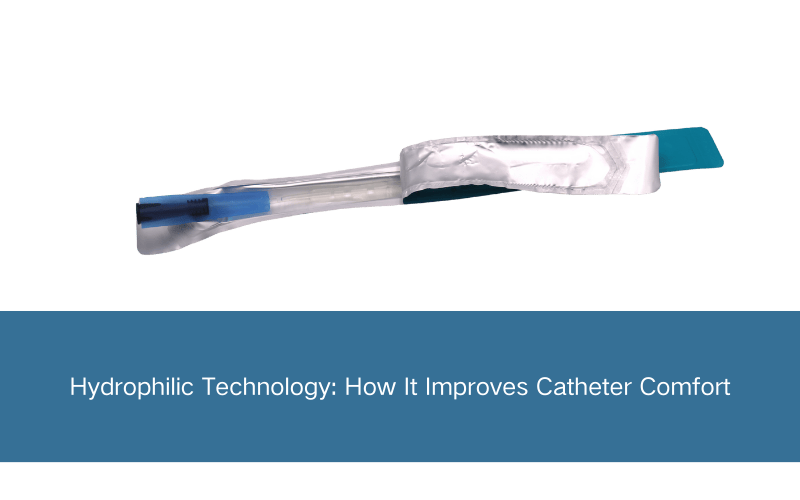
-
06 Jan 2026
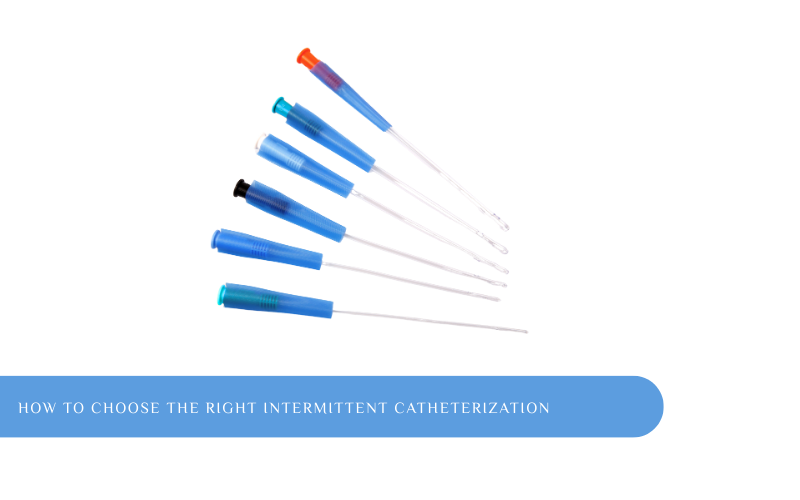
Choosing the right intermittent catheter is a critical part of effective bladder management. While intermittent catheterization (IC) is widely recognized as a safer alternative to long-term indwelling catheterization, the clinical benefits of IC depend heavily on selecting the appropriate catheter design, material, and configuration for each use scenario. For healthcare providers, distributors, and procurement professionals, understanding how different catheter features affect safety, comfort, and usability is essential. Understand the Patient and Use Environment The first step in choosing the right intermittent catheter is understanding who will use it and in what setting. Intermittent catheterization is commonly prescribed for patients with neurogenic bladder, postoperative urinary retention, benign prostatic hyperplasia (BPH), or certain congenital urological conditions. Equally important is the care environment. A catheter used in a hospital or rehabilitation center may prioritize standardization and cost efficiency, while home-care users often value ease of use, portability, and discreet packaging. Patients who self-catheterize multiple times a day typically require catheters designed to minimize friction and handling complexity. There is no universal solution effective catheter selection always balances patient needs, clinical goals, and practical use conditions. Select the Appropriate Catheter Size (CH) Catheter size, commonly measured in Charrière (CH), plays a key role in both comfort and drainage efficiency. A catheter that is too large may cause discomfort or urethral irritation, while one that is too small may result in slow drainage or blockage. Most adult intermittent catheter users fall within CH 12 to CH 16, though individual anatomy and clinical guidance should always determine final selection. Pediatric patients require smaller sizes, and consistency in sizing is especially important for long-term users. From a procurement perspective, offering a complete range of CH sizes ensures flexibility and reduces the risk of inappropriate substitution. Choose the Right Material: Medical-Grade PVC Medical-grade PVC remains one of the most widely used materials for intermittent catheters due to its reliability, safety profile, and cost-effectiveness. Advances in material processing allow modern PVC catheters to achieve an optimal balance between flexibility and column strength. This balance is essential: the catheter must be soft enough to reduce discomfort while remaining firm enough to allow controlled insertion. For manufacturers and OEM partners, PVC also offers advantages in scalability, consistent quality, and compatibility with various designs and coatings. Consider Hydrophilic vs. Non-Hydrophilic Catheters Surface lubrication is a key factor in patient comfort and urethral protection. Hydrophilic intermittent catheters feature a coating that becomes highly lubricious when activated, significantly reducing friction during insertion and removal. Hydrophilic catheters are particularly suitable for: Long-term IC users Patients who catheterize multiple times per day Home-care and self-catheterization scenarios Ready-to-use hydrophilic catheters further simplify the process by eliminating the need for additional lubricant, reducing preparation steps and potential handling errors. Non-hydrophilic catheters may still be appropriate in certain institutional settings, especially when external lubrication is standard practice and cost considerations are a priority. Evaluate Tip Design: Straight or Coudé Tip configuration directly affects ease of insertion. Straight-tip catheters are suitable for most standard catheterization procedures and are widely used across healthcare settings. Coudé-tip catheters, with a curved tip design, are often preferred for male patients with anatomical challenges such as urethral narrowing or prostate enlargement. Providing both options allows healthcare professionals to tailor catheter choice to patient anatomy, reducing resistance and improving overall experience. Packaging and Sterility Matter Intermittent catheters are typically single-use, sterile devices. Packaging plays a vital role in maintaining sterility while supporting ease of use. Individually packaged catheters help reduce contamination risk and simplify inventory control in hospitals and clinics. For home-care users, compact and discreet packaging improves portability and confidence, especially for active patients. Clear labeling, consistent packaging formats, and multilingual instructions are also important considerations for international distribution. Regulatory Compliance and Supply Reliability When choosing intermittent catheters for institutional use or market distribution, regulatory compliance is non-negotiable. Products should meet applicable ISO standards and regional regulatory requirements such as CE marking or FDA registration. Equally important is supply reliability. Consistent manufacturing quality, stable lead times, and dependable logistics are essential for long-term catheterization programs, particularly in high-volume or multi-market operations. Conclusion Choosing the right intermittent catheter goes beyond clinical technique it is a product-driven decision shaped by catheter size, material, surface properties, tip design, packaging, and regulatory compliance. When these factors are aligned with patient needs and real-world use environments, intermittent catheterization can deliver safer bladder management, improved comfort, and long-term efficiency. BEVER Medical supports healthcare providers, distributors, and medical device brands with a comprehensive range of intermittent catheter solutions, including medical-grade PVC and hydrophilic ready-to-use options. With a focus on consistent quality, regulatory compliance, and OEM flexibility, BEVER Medical helps partners deliver reliable catheterization solutions across hospital, long-term care, and home-care settings worldwide.
View More +