


 Deutsch
Call Us
TEl: +86-13148388090
Fax:+86-571-88616515
Urinary catheterization is a vital tool for individuals who have difficulty emptying their bladder naturally. Among the different catheter types, hydrophilic catheters stand out for their enhanced comfort, ease of use, and reduced risk of urethral trauma. Hydrophilic technology has transformed intermittent catheterization, making it more manageable for patients at home, in clinical settings, and even during travel.
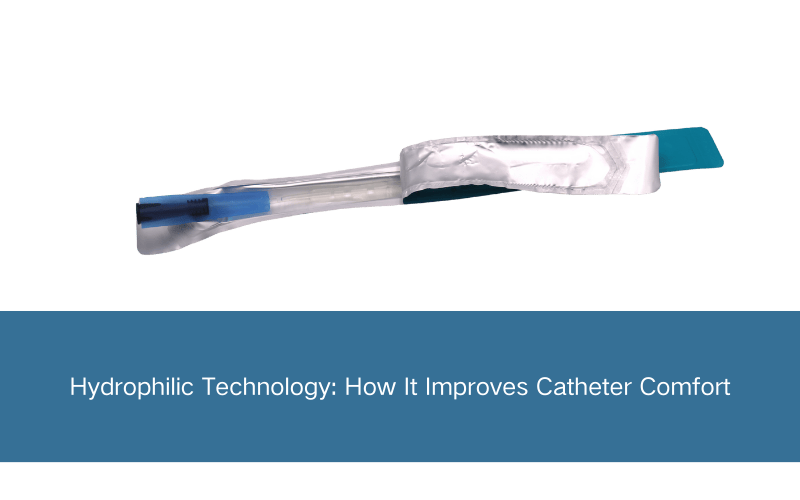
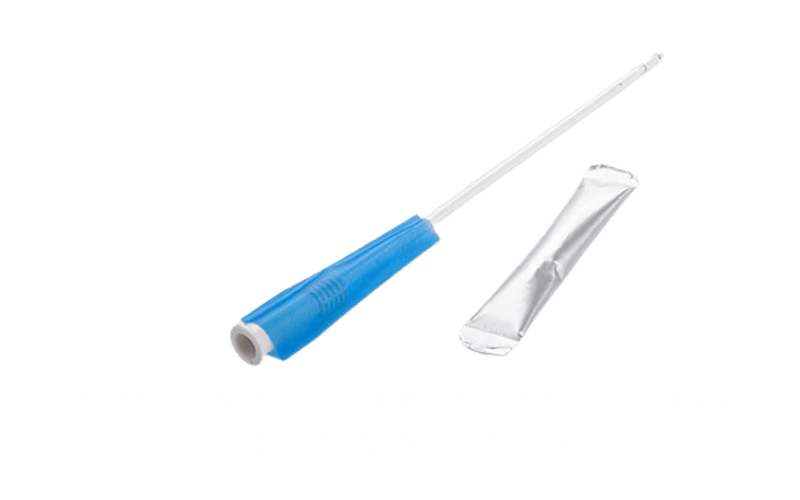
Hydrophilic catheters feature a special coating that becomes slippery when activated with water. This coating forms a thin lubricating layer on the catheter's surface, reducing friction during insertion and withdrawal. Unlike standard PVC catheters, which require manual lubrication, hydrophilic catheters are either pre-lubricated or pre-coated, providing smooth, low-resistance catheterization with minimal preparation. This design helps protect the urethra from irritation or trauma, making the process more comfortable and safer.
One of the main benefits of hydrophilic catheters is increased comfort. By minimizing friction, these catheters reduce the risk of urethral microtrauma, bleeding, and discomfort associated with repeated catheterization. Patients experience smoother insertion and removal, which can lower anxiety and increase confidence in self-catheterization. For many users, this technology promotes independence and enhances quality of life, particularly for those requiring long-term intermittent catheterization.
To maximize comfort and safety, proper technique is essential:
Hydrophilic catheters are convenient for everyday life. They are portable and discreet, making them suitable for travel or public use. For nighttime catheterization or elderly patients with limited mobility, the smooth surface simplifies handling and reduces discomfort. Both male and female users benefit from hydrophilic catheters, although insertion techniques may vary slightly based on anatomy.
Can they be reused? Most hydrophilic catheters are single-use to ensure hygiene and safety.
Why might they feel less slippery sometimes? This can occur if the coating is not fully activated or the catheter has dried before use.
Does storage affect performance? Yes, improper storage, such as exposure to extreme temperatures or prolonged dryness, can reduce slipperiness. Always follow the manufacturer's instructions.
BEVER Medical offers hydrophilic catheters with advanced surface technology, ergonomic packaging, and smooth, consistent coatings. Their products are designed for safe, comfortable, and effective catheterization at home or in clinical settings. Features such as pre-lubricated surfaces, easy-open packaging, and high-quality materials help users gain confidence and maintain independence.
Hydrophilic technology significantly improves the comfort and safety of intermittent catheterization. By reducing friction and urethral trauma, these catheters help patients manage bladder care independently and confidently. Proper technique and adherence to medical guidance remain essential. If pain, bleeding, or difficulties occur, consult a healthcare professional promptly.
This article is intended for general educational purposes and does not replace professional medical advice. Always consult a qualified healthcare provider before selecting or using a urinary catheter. Individual needs may vary, and proper technique and product selection are essential for safe and effective catheterization.
Copyright © Hangzhou BEVER Medical Devices Co., Ltd.
The information provided on this website is intended for use only in countries and jurisdictions outside of the People's Republic of China.


