


 Deutsch
Call Us
TEl: +86-13148388090
Fax:+86-571-88616515

A nasopharyngeal airway (NPA) is intended to help maintain upper airway patency in patients with reduced consciousness, airway obstruction, or compromised protective airway reflexes. It is commonly used as an adjunct in airway management protocols in emergency, prehospital, and hospital environments.
NPAs may be supplied in lubricated or non-lubricated configurations. These configurations are designed to support different clinical workflows related to preparation method, insertion handling, and institutional protocol requirements.
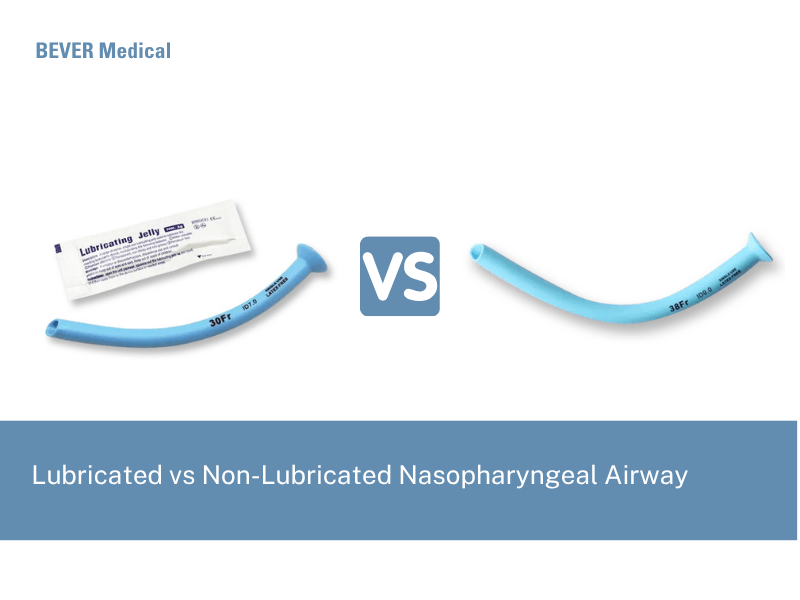
Airway management workflows may vary significantly depending on the care environment and level of urgency.
In emergency and prehospital settings, clinicians may operate under time-sensitive conditions where immediate device availability is required. In such environments, reducing preparation steps may support procedural efficiency.
In hospital-based environments, clinicians typically operate under standardized protocols, where device preparation, including lubrication selection and application, may be controlled according to institutional guidelines.
The selection of NPA configuration is therefore often influenced by workflow design rather than functional differences.
Lubricated NPAs are typically supplied with a pre-applied medical-grade lubricant intended to facilitate insertion by reducing surface friction between the device and nasal mucosa.
This configuration is designed to support immediate use following package opening, without requiring additional lubrication steps.
From a clinical workflow perspective, lubricated NPAs may reduce preparation time and standardize lubrication quantity and distribution.
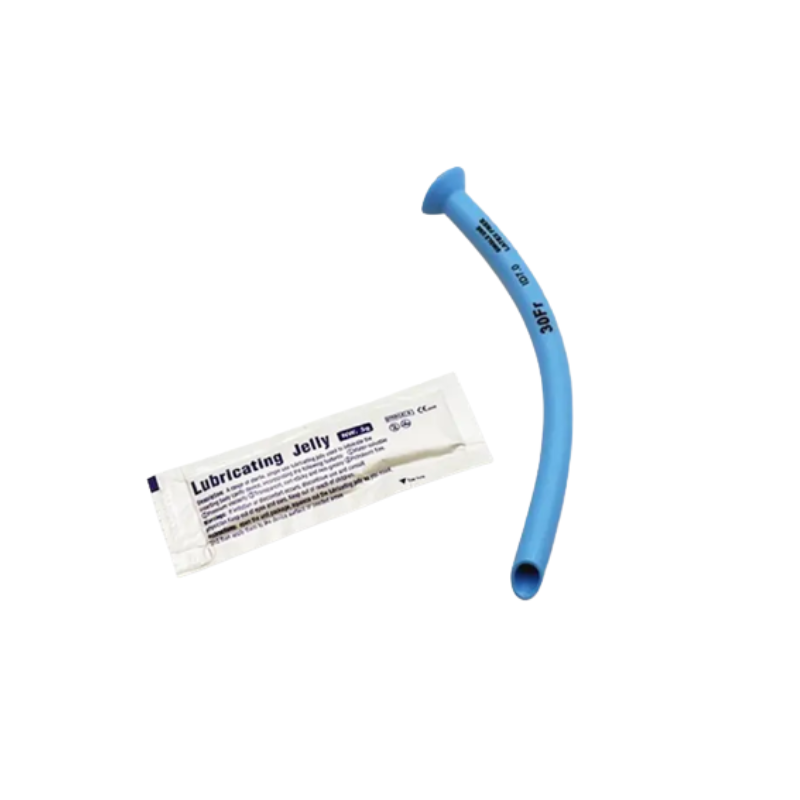
Lubricated NPAs may be used in:
In these settings, clinicians may prioritize rapid deployment and procedural efficiency.
Non-lubricated NPAs are supplied without pre-applied lubricant. Prior to insertion, clinicians apply lubricant in accordance with institutional protocols, clinical judgment, or product-specific instructions for use (IFU).
This configuration allows flexibility in the selection of lubricant type, application method, and quantity, depending on clinical preference and patient-specific considerations.
From a workflow perspective, non-lubricated NPAs support controlled preparation and may be integrated into standardized hospital protocols.
Non-lubricated NPAs may be used in:
These environments typically emphasize procedural consistency and protocol adherence.
Both lubricated and non-lubricated NPAs are intended to perform the same primary function: supporting upper airway patency by maintaining a patent nasal airway route.
Differences between configurations are primarily related to:
These differences do not alter the fundamental clinical function of the device but may influence handling characteristics and procedural workflow.
Selection of NPA configuration may depend on multiple factors, including:
Clinical judgment and local guidelines should be followed when selecting the appropriate configuration.
Both lubricated and non-lubricated configurations may be available as part of OEM manufacturing programs, subject to product design and regulatory approvals in applicable markets.
Typical OEM options may include:
Availability and labeling requirements may vary depending on regulatory jurisdiction and market authorization requirements.
Lubricated and non-lubricated nasopharyngeal airways are designed to support airway management under different clinical workflow conditions.
Lubricated configurations are generally intended to support reduced preparation time in time-sensitive environments. Non-lubricated configurations are intended to support clinician-directed lubrication and protocol-based preparation in controlled clinical settings.
Selection should be based on clinical workflow requirements, institutional protocols, and intended use environment.
To support diverse clinical and market needs, BEVER Medical offers a comprehensive range of nasopharyngeal airway solutions, including lubricated and non-lubricated configurations, as well as PVC nasopharyngeal airway and silicone nasopharyngeal airway options. Our airway management portfolio is designed to support emergency care, prehospital applications, and hospital-based procedures, with OEM and private label services available to help distributors and healthcare brands meet regional regulatory and clinical requirements.
Copyright © Hangzhou BEVER Medical Devices Co., Ltd.
The information provided on this website is intended for use only in countries and jurisdictions outside of the People's Republic of China.


