

 Deutsch
Introduction Respiratory care jobs are usually done by healthcare professionals properly trained and who know how to diagnose respiratory diseases and how to use medical devices such as nasopharyngeal airways and endotracheal tubes to manage airway patency. The respiratory care jobs done by healthcare professionals using nasopharyngeal airways and endotracheal tubes are of particular interest for patients needing airway patency management and for their caregivers. For this reason we will spend some time discussing how nasopharyngeal airways and endotracheal tubes are used in medical practices. Respiratory care jobs require the professionals to have attended academic schools and have undergone adequate practices. Therefore there is a section of the article describing respiratory care practitioner schools. The supervisory authority overseeing respiratory care practitioner schools ensures that the schools carry out trainings in line with government guidelines and policies, which is important for the education of the practitioners. In this article there is a section devoted to explaining Respiratory Care Board of California, a supervisory authority overseeing respiratory care practitioner schools. Respiratory Care Jobs Various Respiratory Care Professionals There are various professionals involved in respiratory care jobs, as described below. 1) Respiratory Therapist (RT) Respiratory therapists (RTs) are at the forefront of respiratory care. They work in hospitals, outpatient clinics, and home healthcare settings, assisting patients who suffer from breathing problems, lung diseases, and other cardiopulmonary conditions. They often provide care for patients who require mechanical ventilation or oxygen therapy. Key Responsibilities: Assess and monitor patients with respiratory disorders. Administer breathing treatments, such as aerosol medications and oxygen. Manage ventilators for patients who need mechanical breathing support. Perform diagnostic tests like arterial blood gas analysis and pulmonary function tests. Educate patients on managing chronic respiratory diseases like asthma and COPD. Work Environments: Respiratory therapists can work in critical care units, emergency rooms, rehabilitation centers, or home healthcare. They also collaborate closely with doctors, nurses, and other healthcare professionals to ensure the best patient outcomes. 2) Neonatal and Pediatric Respiratory Care Specialist Neonatal and pediatric respiratory care specialists focus on infants and children suffering from respiratory conditions. These professionals often work in neonatal intensive care units (NICUs) and pediatric ICUs, where newborns and young children require specialized respiratory support. 3) Pulmonary Function Technologist Pulmonary function technologists specialize in conducting diagnostic tests that measure how well the lungs are working. These tests are crucial in diagnosing conditions such as asthma, emphysema, and lung cancer. 4) Sleep Technologist Sleep technologists, also known as polysomnographic technologists, focus on diagnosing and treating sleep disorders, particularly sleep-related breathing problems like obstructive sleep apnea (OSA). 5) Respiratory Care Educator Respiratory care educators train the next generation of respiratory therapists and technologists. They teach in academic institutions, hospitals, and healthcare training centers, covering essential topics like patient assessment, ventilation management, and emergency care. Respiratory Care Using Nasopharyngeal Airways and Endotracheal Tubes Respiratory care is a vital aspect of medical treatment for patients experiencing difficulty breathing or compromised airways. Two key tools used in respiratory care are nasopharyngeal airways (NPA) and endotracheal tubes (ETT). Both devices play critical roles in maintaining airway patency and ensuring adequate oxygenation for patients with breathing difficulties or during surgery. Understanding the uses, procedures, and benefits of these devices is essential for healthcare professionals involved in respiratory and critical care. Nasopharyngeal Airways (NPA) What is a Nasopharyngeal Airway? A nasopharyngeal airway is a soft, flexible tube that is inserted through the nose to secure an open airway in a patient. It bypasses potential obstructions in the upper airway, such as the tongue or soft tissue, to ensure a clear passage for airflow to the lungs. NPAs are commonly used in emergency and non-emergency situations, especially when patients are conscious or semi-conscious, and an oropharyngeal airway would be intolerable. If you want to find out what a nasopharyngeal airway looks like and their specifications, you can refer to Hangzhou Bever Medical Device Co., Ltd.’s website: www.bevermedical.com Nasopharyngeal airway from Hangzhou Bever Medical Device Co., Ltd. Nasopharyngeal airways are typically used in the following situations: A. Patients with obstructed airways due to soft tissue, such as the tongue, falling back. B. Conscious or semi-conscious patients who need airway support but cannot tolerate an oropharyngeal airway. C. During procedural sedation or when airway access is required but endotracheal intubation is not necessary. D. In patients with facial trauma where oropharyngeal airways are contraindicated. Endotracheal Tubes (ETT) What is an Endotracheal Tube? An endotracheal tube (ETT) is a more invasive airway device used for patients who require complete control of their airway. It is inserted through the mouth or nose into the trachea and is often used during general anesthesia, severe respiratory distress, or in critical care settings. The tube is connected to a mechanical ventilator to provide precise respiratory support or ventilation. Endotracheal intubation is necessary when a patient’s airway is compromised or when they cannot maintain adequate breathing on their own. Some of the key indications for using an ETT include: A. Respiratory failure: When patients are unable to breathe adequately or require mechanical ventilation. B. Surgery: To provide controlled ventilation during anesthesia. C. Airway protection: For patients at risk of aspiration (e.g., those with altered consciousness or impaired gag reflex). D. Severe trauma: Especially in cases of head or neck injury that obstruct the airway. Endotracheal tube from Hangzhou Bever Medical Device Co., Ltd. Respiratory Care Practitioner Schools Respiratory care practitioner schools offer a variety of respiratory care practitioner programs depending on the type of school attended by the practitioner. 1) Associate Degree in Respiratory Therapy Core Curriculum: Courses in anatomy, physiology, pharmacology, respiratory care techniques, patient assessment, and mechanical ventilation. 2) Bachelor’s Degree in Respiratory Care A Bachelor of Science (BS) in respiratory care is an advanced option that provides more in-depth education and opens up opportunities for leadership roles, specialization, and higher salaries. These programs generally take 4 years to complete and are ideal for students interested in advancing their careers or pursuing roles in management, education, or research. 3) Master’s Degree in Respiratory Therapy Although less common, Master of Science (MS) programs in respiratory therapy are available for those looking to specialize further in research, education, or advanced clinical practice. These programs typically take 2 years post-bachelor’s degree and can lead to roles such as clinical directors, educators, or advanced practitioners. Respiratory Care Board of California The Respiratory Care Board of California (RCB) is a regulatory agency responsible for overseeing the practice of respiratory care in the state of California. The board ensures that respiratory care practitioners (RCPs) are properly licensed and maintain professional standards to protect public health and safety. Key functions of the board include: Licensing: Issuing and renewing licenses for qualified respiratory care practitioners. Enforcement: Investigating complaints and taking disciplinary action against practitioners who violate laws or professional standards. Education: Setting educational requirements and approving respiratory care programs to ensure practitioners receive proper training. Public Outreach: Providing information and resources to the public about respiratory care and how to file complaints if necessary. Closing Thoughts The article has described respiratory care jobs, respiratory care practitioner schools, and respiratory care board of California. If this article is informative and contributes to your accumulation of knowledge, we will be glad and encouraged to write more on this topic and related topics.
View More +-
06 Aug 2024
In humans, the trachea refers to the tube extending from the larynx to the bronchi. It is important for conveying air to and from the lungs. An endotracheal tube (ETT) is a flexible plastic tube that is inserted into a patient's trachea through the mouth or nose. This article discusses endotracheal tube types. Use of an endotracheal tube An endotracheal tube maintains an open airway and facilitates ventilation (The endotracheal tube can be connected to a ventilator. A ventilator is a medical device designed to replace spontaneous breathing in patients who are unable to breathe adequately on their own). The endotracheal tube doesn’t always have to be used with a ventilator, for instance, in a bronchoscopy procedure, the patient can be allowed to breathe spontaneously, and the doctor will insert an endotracheal tube into the patient's trachea through the mouth or nose to secure an open airway for the passage of the instruments. The following illustrates what an ETT is. Endotracheal tube types There are various types of endotracheal tubes. Common types of ETT are discussed as follows. 1. Type classification based on where the ETT is inserted A. An oral endotracheal tube is inserted into the trachea through the mouth. It is typically made of polyvinyl chloride (PVC) or other flexible, durable materials. It has a cuff, which is an inflatable balloon near the distal tip of the tube. When inflated, it seals the trachea to prevent air leaks and protect against aspiration. It has markings that indicate the insertion depth and position within the trachea. B. The primary difference of a nasal endotracheal tube from an oral one is that it is inserted into the trachea through the nose rather than the mouth. It allows oral access and keeps the mouth free for surgeries, dental work, or other procedures. 2. Type classification based on material A. Rubber endotracheal tube: this type of tube is relatively hard and less flexible, so there is a risk of damaging the nasal passages, vocal cords, or tracheal mucosa during insertion. B. PVC endotracheal tube: it is softened by the warmth of the upper respiratory tract, which helps ease tube passage. C. Silicone endotracheal tube has flexibility, which reduces friction with mucosal tissues and lowers the risk of injury. 3. Type classification based on function A. Double-lumen endotracheal tube has two separate lumens, one for each lung. This allows independent ventilation of the right and left lungs. Double-lumen endotracheal tube is typically used in: 1) Thoracic surgery to facilitate lung isolation to operate on one lung while maintaining ventilation in the other. 2) Lung protection, namely to prevent contamination of healthy lung tissue during procedures on diseased lungs. B. Irrigatable endotracheal tube has an irrigation port that introduces sterile solutions to wash away secretions. It also has a drainage channel that directs secretions out of the airway. Its benefits include reducing the risk of ventilator-associated pneumonia and maintaining airway hygiene in critically ill patients. Irrigatable endotracheal tube has applications such as: 1) When used in critical care, the tube minimizes the accumulation of secretions in patients requiring prolonged ventilation. 2) When used in infection control, it helps prevent respiratory infections by maintaining cleanliness within the airway. C. Reinforced (armored) endotracheal tubes: this type of tube contains a spiral wire or plastic coil embedded in the tube wall. The benefits are being flexible and resistant to kinking. Its applications are as follows. 1) Used to provide a stable airway during procedures that require significant head or neck positioning, for instance in head and neck surgery. 2) Used in patients requiring extended ventilation support to prevent tube obstruction. D. Standard endotracheal tube is designed for general airway management during anesthesia, critical care, and emergencies. It has the following features: 1) A single channel for air passage. 2) Its cuff is an inflatable balloon near the distal tip of the tube. When inflated, it seals the trachea to prevent air leaks and protect against aspiration. The uncuffed version is suitable for children aged 5 and below or for cases where the inner diameter of the tube is less than 5.5mm. The following is an illustrative image of cuffed and uncuffed endotracheal tubes. Cuffed and uncuffed endotracheal tubes from Bever Medical Devices 3) Murphy Eye is a side hole near the distal end to ensure airflow even if the main opening is blocked. The standard endotracheal tube has the following applications. 1) When a patient is under anesthesia, the use of the tube provides a secure airway during surgical procedures. 2) It can be used in critical situations such as respiratory failure or cardiac arrest, to provide an open airway. 3) It can be connected to a ventilator to support breathing in intensive care units. Concluding comments Each endotracheal tube type offers unique features to meet specific clinical needs. Healthcare providers choose the appropriate endotracheal tube type for individual patient situations to maintain safe and effective airway patency. There are other medical devices designed for airway patency purposes too, for example, nasopharyngeal airways. When you are considering the kind of products that are used for airway patency management you can think of endotracheal tubes and nasopharyngeal airways. The nasopharyngeal airway is a flexible tube typically made of soft plastic or rubber. It is inserted through a nostril and extends into the nasopharynx. It is useful in cases where the tongue or soft tissues obstruct the pharynx. The following image shows a typical nasopharyngeal airway. Nasopharyngeal airway from Bever Medical Devices.
View More +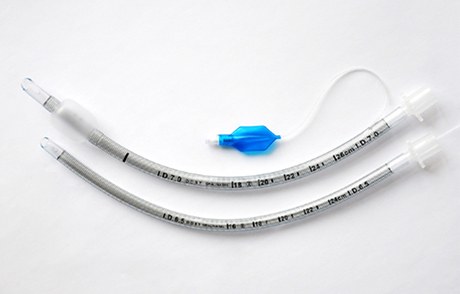
-
18 Jul 2024
It is essential to avoid inserting the suction catheter too deeply to prevent trauma and discomfort, while ensuring it's inserted far enough to effectively clear secretions. Below are guidelines for how far to insert suction catheter in different suctioning situations. 1) Endotracheal Tube Suctioning Insertion Depth: The catheter should be inserted until mild resistance is felt, which indicates it is near or just above the carina (the point where the trachea divides into the left and right bronchi). Once resistance is felt, withdraw the catheter slightly (1–2 cm) before applying suction. Avoid forceful insertion beyond the point of resistance to prevent trauma to the bronchial walls. 2) Tracheostomy Suctioning Insertion Depth: The catheter is typically inserted to a depth that matches the length of the tracheostomy tube. Many tracheostomy tubes have a specific depth guideline (marked in centimeters) to ensure safe suctioning. If resistance is encountered, slightly withdraw the catheter before applying suction. Measure the catheter length against the tracheostomy tube to prevent over-insertion. For most adult patients, suctioning should not extend into the bronchi unless medically indicated. 3) Nasopharyngeal or Oropharyngeal Suctioning Insertion Depth: For nasopharyngeal or oropharyngeal suctioning (through the nose or mouth), insert the catheter until it reaches the back of the throat. In oropharyngeal suctioning, you usually insert until the patient coughs or gags slightly. Ensure the catheter doesn't go deeper than necessary to avoid stimulating the gag reflex excessively or causing trauma to the mucosal lining. 4) General Guidelines Catheter Size: Ensure the catheter size is appropriate for the patient. For example, in children and infants, use smaller-sized catheters (typically measured in French gauge). The size affects how far and easily the catheter can be inserted. Therefore in the next section we explain how to determine suction catheter size. How to Determine Suction Catheter Size Suction Catheter Size Let’s first understand the term “suction catheter size”. “suction catheter size” refers to suction catheter diameter, measured in French gauge (Fr). The suction catheter diameter is typically measured in French gauge (Fr). The French gauge system is used to specify the catheter's outer diameter, where one French gauge unit is equal to 1/3 mm in diameter. A. French Gauge to Diameter Conversion 1 Fr = 1/3 mm in diameter Diameter (mm) = French gauge (Fr) ÷ 3 B. Example Conversions 8 Fr = 8 ÷ 3 = 2.67 mm 12 Fr = 12 ÷ 3 = 4 mm 14 Fr = 14 ÷ 3 = 4.67 mm C. Common Suction Catheter Sizes and Their Diameters 1) Small Sizes (e.g., for neonates and infants) 5 Fr: Diameter of approximately 1.67 mm (using formula: Diameter (mm) = French gauge (Fr) ÷ 3. Same formula is used in below calculations.) 6 Fr: Diameter of approximately 2 mm 8 Fr: Diameter of approximately 2.67 mm 2) Medium Sizes (e.g., for children): 10 Fr: Diameter of approximately 3.33 mm 12 Fr: Diameter of approximately 4 mm 3) Larger Sizes (e.g., for adults): 14 Fr: Diameter of approximately 4.67 mm 16 Fr: Diameter of approximately 5.33 mm D. Choosing the Appropriate Diameter Neonates and Infants: Smaller diameters (5–8 Fr) are used to avoid trauma to delicate airways. Children: Medium diameters (8–10 Fr) are suitable for their larger airways but still require gentle suctioning. Adults: Larger diameters (10–16 Fr) are often used for effective suctioning of thicker secretions. How to Determine Suction Catheter Size Correctly Suction catheter sizes are typically measured in French Gauge (Fr), where a larger number indicates a wider catheter diameter. In the passages below we discuss how to determine the correct size. 1) Endotracheal or Tracheostomy Tube Suctioning To determine the size of the suction catheter for a patient with an endotracheal tube (ETT) or tracheostomy tube, a common rule is that the catheter's outer diameter should be less than half the inner diameter of the tube. This prevents the catheter from completely blocking the airway during suctioning, allowing airflow and oxygenation. 2) Age-Based Suction Catheter Sizing In pediatric and neonatal patients, suction catheter size is often determined based on age or weight, as smaller catheters are required to prevent trauma to the delicate airways. A. Neonates: 5–6 Fr B. Infants: 6–8 Fr C. Children: 8–10 Fr D. Adults: 12–16 Fr In general, Smaller patients (neonates and infants) require catheters between 5–8 Fr; Larger pediatric patients and adults typically require catheters between 10–16 Fr. 3) Clinical Context and Secretion Type The thickness and volume of secretions also play a role in catheter size selection. A. Thick Secretions: Larger catheters (12–16 Fr) may be needed to clear thicker or more viscous secretions. B. Thin Secretions: Smaller catheters (6–10 Fr) are generally effective for thinner secretions. 4) Closed Suction Systems When using a closed suction catheter (in-line suctioning) with a ventilator, catheter size should still be based on the endotracheal tube’s inner diameter, using the same formula. Closed systems often come in predetermined sizes (e.g., 10 Fr or 12 Fr), which match standard ETT sizes. 5) General Guidelines for Catheter Selection A. Adults (General Use): 12–16 Fr B. Children (Pediatrics): 8–10 Fr C. Infants: 6–8 Fr D. Neonates: 5–6 Fr
View More +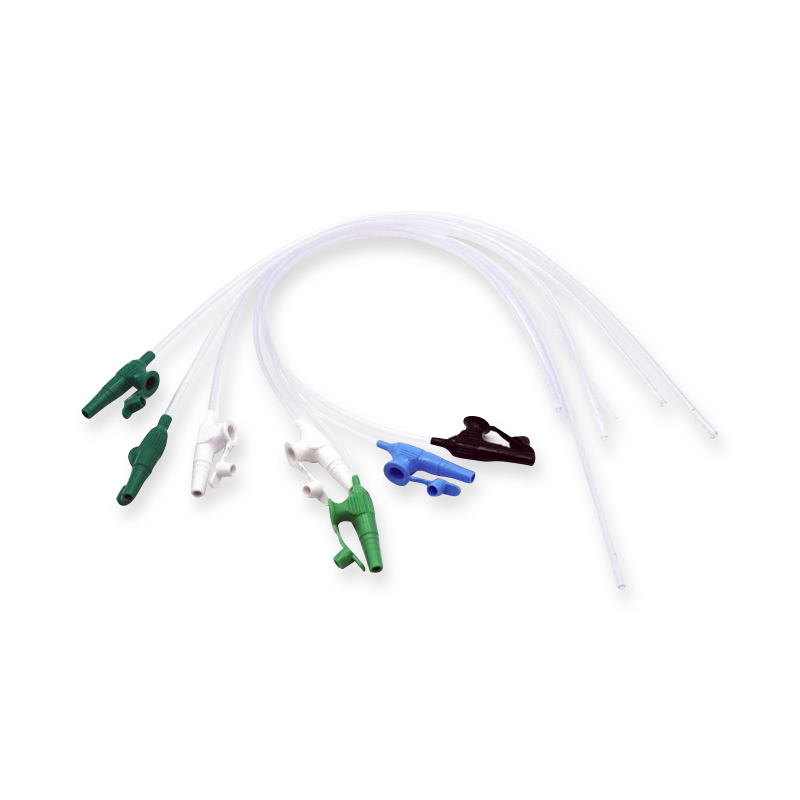
-
18 Jul 2024
What is a Suction Catheter? A soft suction catheter is a medical device used to remove fluids, secretions, or other substances from the body by suction. It typically consists of a flexible tube (the catheter) that is connected to a suction source, such as a vacuum pump or suction machine. Suction catheters have many applications. In this article we are focused on the application of it to help patients experiencing respiratory issues. A suction catheter used for removing fluids, secretions, or other substances from the respiratory tract plays a crucial role in medical care, particularly for patients experiencing respiratory issues. When the respiratory tract becomes clogged with mucus, sputum, or other secretions, these substances can impede normal breathing processes, leading to difficulties in breathing, hypoxemia, and other serious problems. In such cases, the use of suction catheters becomes imperative. The suction catheter is then gently inserted into the patient's respiratory tract, and the negative pressure is applied to aspirate the mucus or secretions. Types of Suction Catheters 1) Whistle Tip Suction Catheter Key Feature: Side-opening tip that minimizes airway trauma by preventing direct suction at the catheter’s distal end. Applications: Used in endotracheal and tracheostomy suctioning, particularly in sensitive airway scenarios like neonatal and pediatric care or post-surgical recovery. 2) Yankauer Suction Catheter Key Feature: A rigid, curved catheter with a large, rounded tip and multiple openings, designed for oral and oropharyngeal suctioning. Applications: Common in surgeries and emergency situations for suctioning fluids (blood, mucus, etc.) from the mouth and throat. 3) Coude Tip Suction Catheter Key Feature: Angled or curved tip designed for precise suctioning in specific areas of the airway, such as the left or right bronchus. Applications: Ideal for targeted suctioning in areas that are harder to reach, particularly in patients with tracheostomy or endotracheal tubes. 4) Closed Suction Catheter (In-Line Suction Catheter) Key Feature: Enclosed in a sterile sheath that remains attached to the ventilator, allowing suctioning without disconnecting the patient from the ventilator. Applications: Used in ICU and critical care settings for continuous ventilation while suctioning, reducing infection risk and maintaining lung volume. 5) Open Suction Catheter Key Feature: A standard, flexible suction catheter used in open suction systems where the ventilator is temporarily disconnected for suctioning. Applications: Commonly used for tracheal and endotracheal suctioning in routine airway clearance. Whistle Tip Suction Catheter and Its Applications What is a Whistle Tip Suction Catheter? The whistle tip suction catheter gets its name because its tip resembles the shape of a whistle. The catheter has a side-opening near the distal end, which functions similarly to the opening in a whistle. This design allows suction to be applied through the side port rather than directly from the end, reducing the risk of airway trauma by preventing direct suction against the walls of the trachea or bronchi. The side hole creates a safer and more controlled suction mechanism, and the resemblance to a whistle in terms of structure is why it’s called a Whistle Tip Suction Catheter. Therefore the suction catheter whistle tip is its key design characteristic. Whistle Tip Suction Catheter Applications A Whistle Tip Suction Catheter is most often used to safely and effectively remove respiratory secretions (like mucus, saliva, or blood) from a patient's airway in situations where the airway is sensitive or at risk of trauma. Its characteristic application is in the following situations. 1) Pediatric and Neonatal Suctioning The Whistle Tip's gentler design makes it ideal for neonates and pediatric patients, whose airways are more delicate. The side-opening reduces the risk of airway trauma, which is especially important in these vulnerable populations. 2) Used for Airway Clearance after Surgeries After surgeries, especially in the post-anesthesia recovery period, patients often need airway clearance due to the buildup of mucus. The whistle tip suction catheter is used to carefully suction secretions without irritating the airway tissues. 3) Used in ICU Settings In ICU settings, it is used regularly in mechanically ventilated patients to keep the airways free of obstructions caused by secretions, ensuring continuous airflow and proper oxygenation. 4) Used in Patients with Endotracheal Tubes or Tracheostomy Tubes The catheter is frequently used in patients with endotracheal tubes or tracheostomy tubes to clear secretions from the trachea and lower airways. This is vital for preventing airway obstructions and maintaining adequate ventilation.
View More +