


 Deutsch
Call Us
TEl: +86-13148388090
Fax:+86-571-88616515
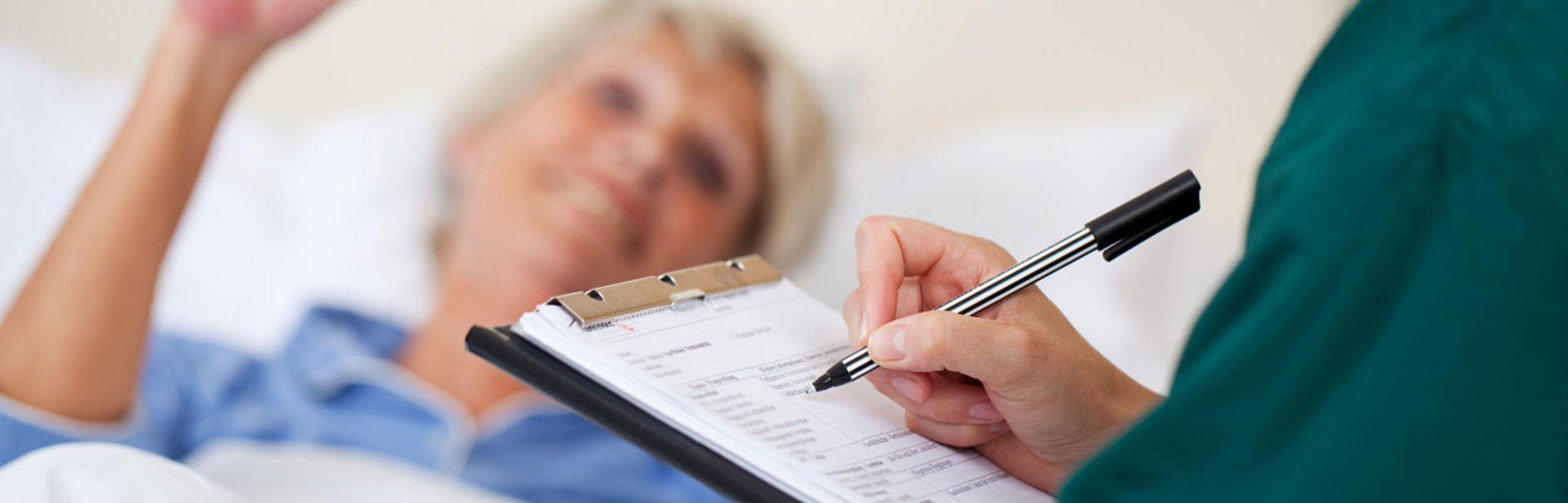
Postpartum urinary incontinence is exceptionally common among women in Western nations. 85% of female respondents experience bladder spillage according to Urology Times. Additionally, 15% of respondents said they had obtained resources and supplies from healthcare providers to manage their urinary incontinence. These patients regularly miss numerous exercises due to urinary incontinence. However, with the proper approach, women with postpartum incontinence can still socialize like typical individuals. In this article, you can learn the right ways to manage urinary incontinence.
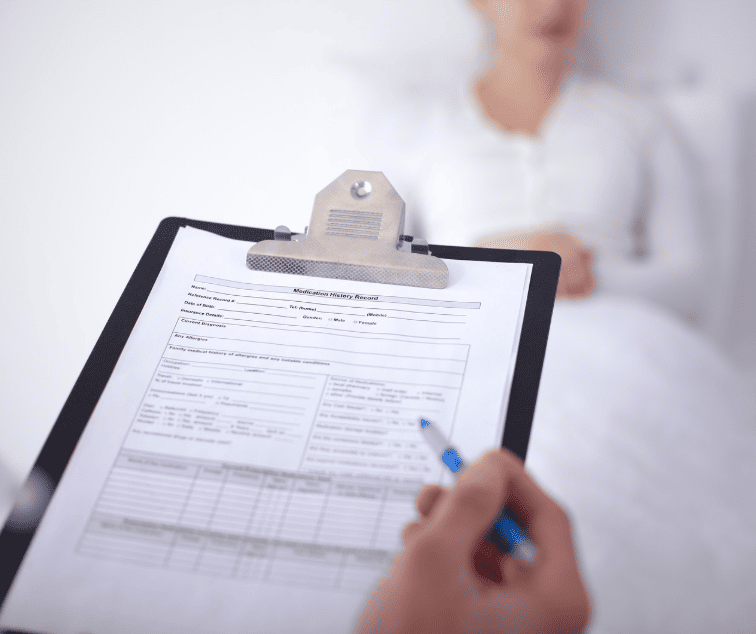
Postpartum urinary incontinence alludes to automatic pee spillage after childbirth, particularly amid physical exercises, wheezing, hacking, or snickering. Amid pregnancy and conveyance, the bladder and pelvic floor muscles persevere noteworthy weight and extend, debilitating their capacity to control pee. Stretch incontinence is especially common among unused mothers, affecting around 7 million ladies. Indeed those who experience C-sections may still encounter this issue. Whereas common, it isn't something ladies ought to basically accept proper care and treatment are fundamental.
The pelvic floor muscles bolster the bladder, uterus, and rectum making a difference in controlling urination. Pregnancy and childbirth put a colossal strain on these muscles, debilitating them and driving them to pee spillage when giggling, wheezing, or applying weight.
As the baby grows, it exerts pressure on the bladder, reducing its storage capacity and increasing the risk of leakage. This is especially pronounced in late pregnancy.
After childbirth, estrogen levels drop, which can weaken bladder and urethra function. Estrogen plays a key role in supporting pelvic tissues, and its decline can make these tissues thinner and less elastic, leading to incontinence.
Vaginal delivery can sometimes damage nerves that control the bladder, disrupting signals that regulate urination.
Excess weight gain during pregnancy adds strain to the pelvic muscles and bladder.
Women who have had multiple deliveries are more likely to experience incontinence due to cumulative muscle weakening.
A family history of incontinence may indicate a genetic predisposition.
Postpartum stress and anxiety can affect body control and contribute to bladder issues.
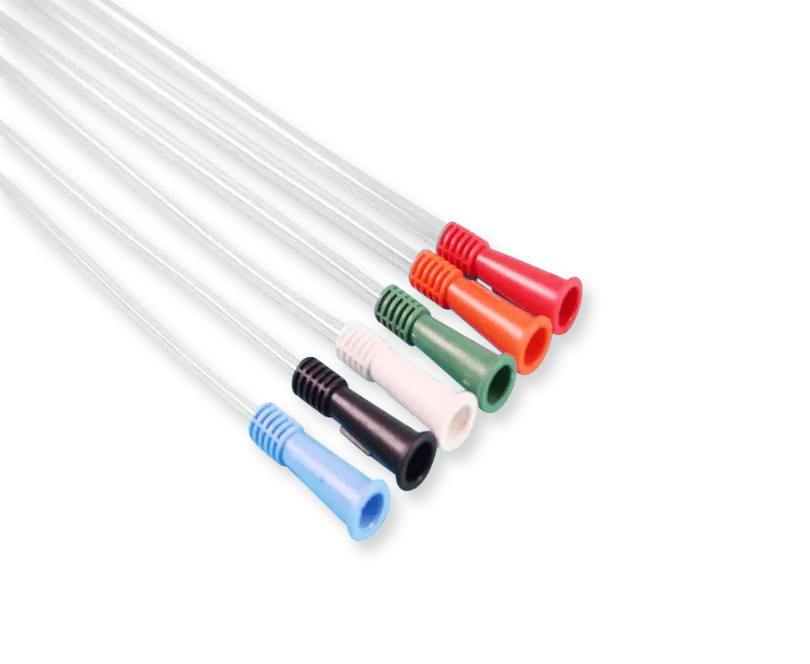
intermittent catheter kits with secure and comfortable plans. For therapeutic teach, recovery centers, etc., we will give patients improved care involvement, decrease complications, and improve patients' quality of life. If you want to discover a more efficient and secure UI administration arrangement for your patients, contact us to learn approximately BEVER Restorative.
Copyright © Hangzhou BEVER Medical Devices Co., Ltd.
The information provided on this website is intended for use only in countries and jurisdictions outside of the People's Republic of China.


