

 Deutsch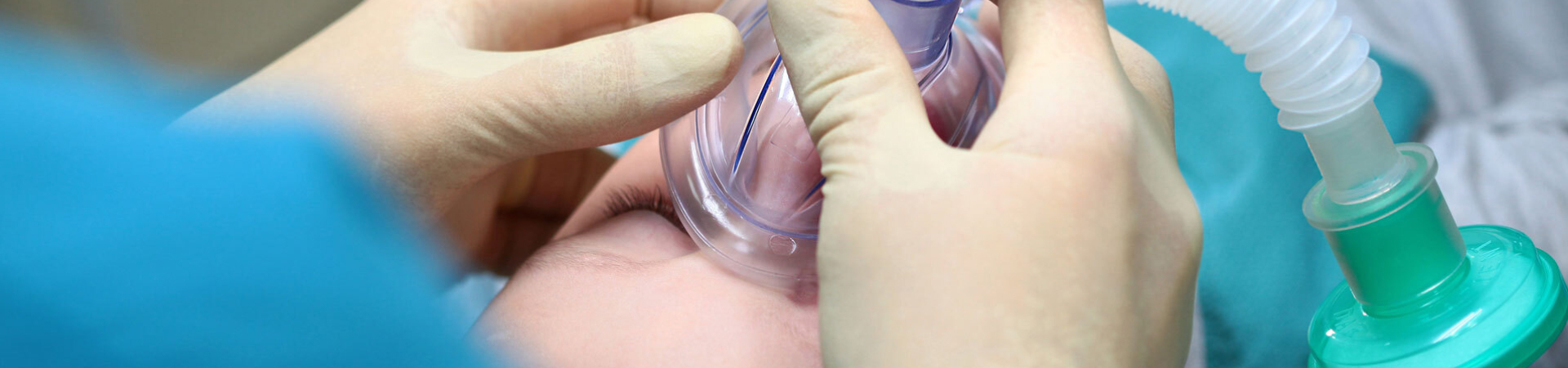
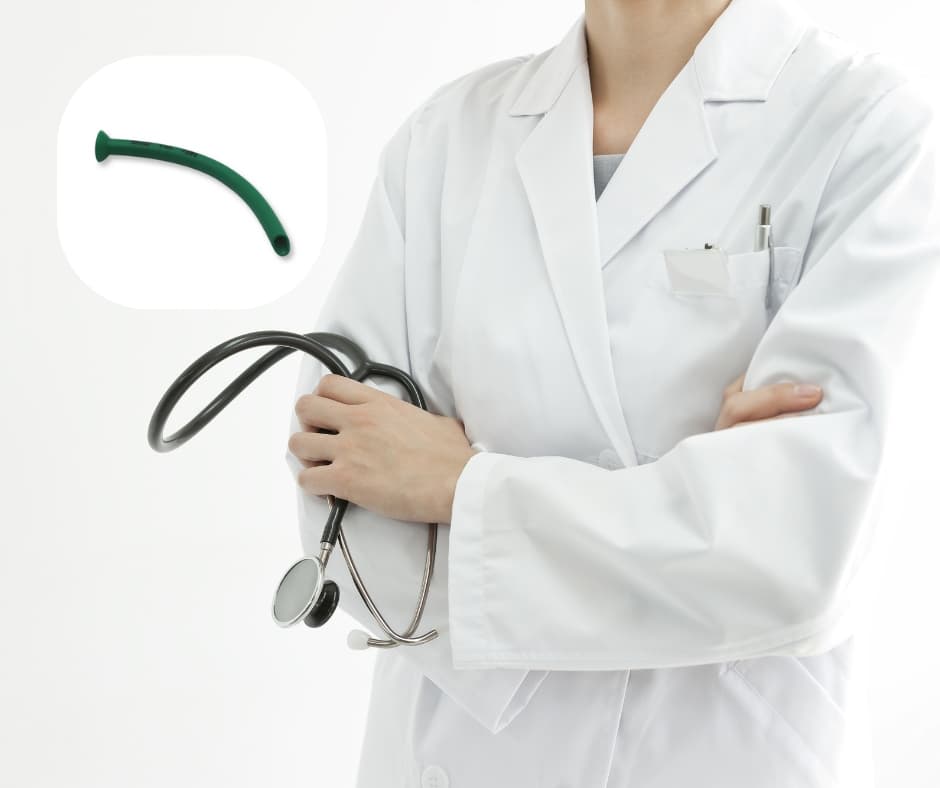
In the world of respiratory care, BEVER Medical has established itself as a leading innovator, providing high-quality, reliable solutions for managing critical airway issues. One of their standout offerings is the nasopharyngeal airway tube, often referred to as the trumpet airway, a crucial tool in the treatment of conditions like asthma and other respiratory emergencies. Understanding Asthma and Its Challenges Asthma is a chronic respiratory condition that affects millions of people worldwide, characterized by inflamed and narrowed airways, leading to breathing difficulties. During an asthma attack, patients experience symptoms such as wheezing, shortness of breath, chest tightness, and coughing. The unpredictability of asthma flare-ups can be both terrifying and dangerous, especially in emergency situations when airway management becomes critical. As asthma patients struggle to breathe, it becomes essential to ensure that their airways remain unobstructed and functional. This is where medical devices like the nasopharyngeal airway tube play a vital role in enhancing patient care during acute respiratory distress. The Trumpet Airway: A Lifesaver in Respiratory Emergencies The trumpet airway—a type of nasopharyngeal airway tube—is a medical device designed to secure the airway and ensure unobstructed breathing. It is inserted through the nose and positioned in the nasopharynx, allowing for improved airflow to the lungs. This device is particularly useful in situations where patients are unable to maintain an open airway on their own due to swelling, blockage, or compromised breathing. The nasopharyngeal airway tube works by bypassing the obstruction in the upper airway, enabling easier passage of air. This can be lifesaving for individuals experiencing a severe asthma attack or those who have compromised breathing due to other causes such as trauma or allergic reactions. BEVER Medical's nasopharyngeal airway tubes are designed with patient comfort and safety in mind. They are made from soft, flexible materials that conform to the anatomy of the nasopharynx, minimizing discomfort during insertion while maintaining secure airway management. The trumpet airway's shape and design are ideal for situations where quick, non-invasive airway support is needed, particularly in emergency or pre-hospital settings. BEVER Medical: Innovation in Airway Management At BEVER Medical, innovation meets reliability. The nasopharyngeal airway tube is just one of many life-saving devices developed by their dedicated team of engineers and healthcare professionals. The company focuses on delivering high-performance medical solutions that address the most critical challenges in airway management, particularly in emergency care. What sets BEVER Medical apart is its commitment to ensuring that all their products meet stringent safety and quality standards. With extensive research and development, BEVER Medical has created a trumpet airway that meets the needs of healthcare professionals and patients alike. The device is available in various sizes to accommodate different patient needs, from infants to adults, ensuring versatile applicability in diverse clinical settings. Benefits of the Nasopharyngeal Airway Tube in Asthma Management The role of the nasopharyngeal airway tube in asthma management cannot be overstated. Here's how it provides significant benefits in emergency and routine care for asthma patients: Quick Insertion for Emergency Relief: During an asthma attack, every second counts. The trumpet airway can be quickly inserted into the patient's nasopharynx, providing immediate relief by ensuring unobstructed airflow. Enhanced Airflow: The tube provides a clear passage for air, bypassing any blockage or swelling in the upper airway, which is especially helpful when the airways are constricted due to an asthma flare-up. Comfort and Safety: BEVER Medical's nasopharyngeal airway tubes are designed with smooth edges and soft, biocompatible materials that minimize trauma and discomfort during insertion. This is particularly important in patients who are already in distress due to breathing issues. Non-invasive and Reusable: Unlike more invasive procedures such as intubation, the trumpet airway is a non-invasive solution that can be used repeatedly with proper cleaning and maintenance. This makes it an affordable and practical option in various healthcare environments. Versatility: While the nasopharyngeal airway tube is essential for asthma management, it is also effective in a range of other respiratory conditions, including upper airway obstructions caused by trauma or allergic reactions. Conclusion Asthma is a challenging condition that requires swift and efficient airway management, particularly during acute attacks. The nasopharyngeal airway tube, or trumpet airway, offers a crucial lifeline in these situations, ensuring that patients can breathe with minimal obstruction. BEVER Medical's innovative solutions, including their advanced trumpet airway design, are transforming the way respiratory emergencies are handled, providing safer, more effective care for asthma patients and others in need of urgent airway support. With a commitment to quality, innovation, and patient-centered care, BEVER Medical continues to lead the way in airway management solutions, making critical tools like the nasopharyngeal airway tube indispensable in the fight for better respiratory health.
View More +-
14 Feb 2025

-
13 Feb 2025
In critical medical situations, especially in respiratory distress or airway obstruction, rapid intervention is necessary to ensure that patients continue to receive oxygen effectively. The nasopharyngeal tube, commonly referred to as a nasopharyngeal airway or trumpet airway, plays a vital role in supporting patients with compromised breathing. Manufactured by BEVER Medical, a leader in medical device innovation, these tubes are designed with precision to meet the demanding needs of healthcare professionals. What is a Nasopharyngeal Tube? A nasopharyngeal tube is a medical device inserted into the nasal passage to maintain or secure an open airway. The device consists of a flexible tube that runs from the nostril through the nasopharynx, and into the oropharynx. Its primary function is to bypass obstructions in the upper airway, ensuring an uninterrupted flow of air to the lungs. Often, it's used for patients who are semi-conscious or unconscious, as it helps to prevent airway collapse and enables easier ventilation. This device is especially crucial in emergency medical situations, where swift and effective airway management is the difference between life and death. The nasopharyngeal tube is commonly used in cases of respiratory distress, head trauma, seizures, or sedation following surgery. The Importance of the Trumpet Airway The nasopharyngeal tube is sometimes referred to as a "trumpet airway" due to its shape. The term "trumpet" reflects its design, which typically flares outward at the distal end of the tube. This funnel shape helps ensure that the airway remains patent and reduces the likelihood of obstruction by soft tissue or mucus buildup. Furthermore, its smooth design and soft edges help minimize discomfort and trauma to the mucous membranes in the nose and throat, which can be a concern with other airway management devices. One of the significant advantages of the trumpet airway is its ability to be used on both conscious and unconscious patients. Unlike endotracheal tubes, which require intubation and are more invasive, the nasopharyngeal tube is less intrusive while still providing reliable airway management. Why Choose BEVER Medical? BEVER Medical is a recognized name in the field of medical device manufacturing, known for their commitment to innovation and patient care. With a focus on high-quality production and rigorous testing, BEVER Medical ensures that their nasopharyngeal tubes meet the highest standards of safety and performance. What sets BEVER Medical apart is their dedication to creating products that are both effective and comfortable for patients. Their nasopharyngeal tubes are manufactured using soft, biocompatible materials (like PVC and Silicone)that are less likely to irritate the nasal passages. The tube's design also considers ease of insertion and patient comfort, crucial elements in providing optimal care. BEVER Medical's commitment to excellence extends beyond the design of their products. They ensure each tube undergoes strict quality control measures and complies with international safety regulations. This commitment to quality has made BEVER Medical a trusted partner for healthcare facilities around the world. Indications for Use of the Nasopharyngeal Tube Nasopharyngeal tubes are most commonly used in emergency care settings, including: Respiratory Distress: Patients who have difficulty breathing due to airway obstruction, trauma, or medical conditions such as asthma, chronic obstructive pulmonary disease (COPD), or respiratory infections benefit from the use of a nasopharyngeal tube. Trauma: Head injuries or facial trauma can cause swelling or bleeding in the upper airway, which may block airflow. The nasopharyngeal tube provides a way to maintain an open airway in such situations. Post-Surgical Care: In certain surgeries, especially those involving sedation or anesthesia, a nasopharyngeal tube is used to prevent airway collapse in patients who are unable to maintain their airway independently. Seizures: Seizure patients who may be unable to maintain proper airway patency due to muscle spasms or loss of consciousness often benefit from the insertion of a nasopharyngeal tube. Intubation Alternative: In some cases, especially when endotracheal intubation is not feasible, a nasopharyngeal tube can be a non-invasive alternative for maintaining an airway. Advantages of the Nasopharyngeal Tube Minimally Invasive: The nasopharyngeal tube is easier and less invasive to insert than other types of airway management devices, such as an endotracheal tube. This reduces the risks associated with intubation, including vocal cord damage and increased trauma to the airway. Comfort: The flexible, soft design of BEVER Medical's nasopharyngeal tubes ensures that patients experience minimal discomfort during use. This is especially important for patients who may require prolonged airway support. Effective Airway Management: The trumpet airway design ensures that the device stays in place and maintains an open airway, even in the presence of mucus, tissue swelling, or other obstructions. Ease of Insertion: The nasopharyngeal tube can be easily inserted by trained healthcare professionals, making it a practical choice in emergency situations where time is of the essence. Flu-Related Airway Management During flu season, the demand for effective airway management devices increases, as respiratory viruses like the flu can lead to severe airway obstruction and difficulty breathing. Nasopharyngeal tubes are especially important in managing patients suffering from severe flu-related respiratory symptoms. Influenza (flu) can cause significant inflammation in the airways, leading to congestion and swelling. In such cases, nasopharyngeal tubes are invaluable in providing immediate relief by securing an open airway, enabling proper ventilation, and assisting with respiratory function. Conclusion In critical care, the ability to quickly and effectively manage a patient's airway can be a matter of life and death. The nasopharyngeal tube, or trumpet airway, is an essential tool in respiratory management, and BEVER Medical has perfected the design to ensure that healthcare providers have access to the best possible products. Whether dealing with trauma, respiratory distress, or post-surgical care, the nasopharyngeal tube provides a minimally invasive and effective solution to ensure that patients can breathe freely and safely. By prioritizing patient comfort, ease of use, and rigorous quality standards, BEVER Medical continues to be a leading choice for healthcare professionals worldwide. With the ability to manage complex airway challenges effectively, BEVER Medical's nasopharyngeal tubes offer a critical lifeline in emergency and respiratory care.
View More +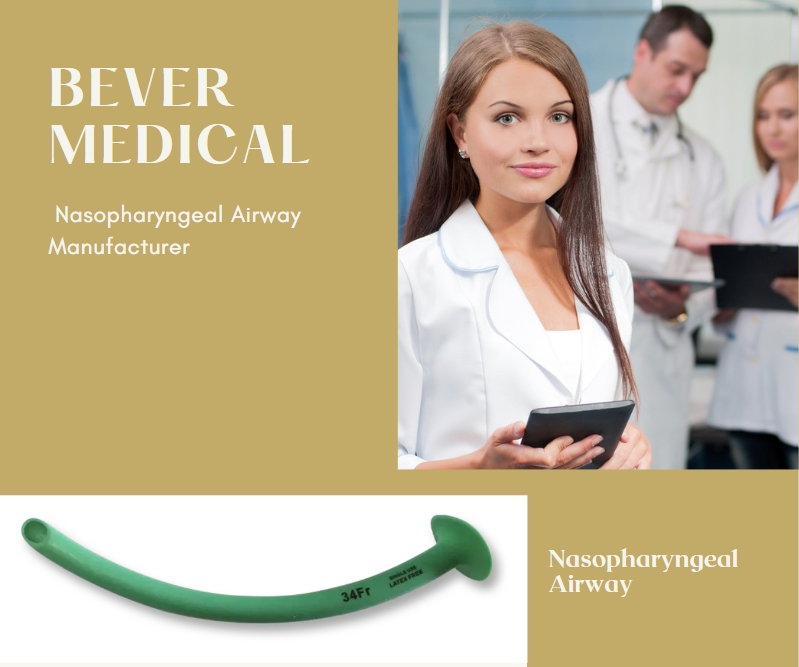
-
05 Feb 2025
In medical practice, airway management is critical, especially in emergency and routine respiratory care. Among the various tools available for airway support, Nasal Trumpet Airways play a significant role in providing a secure and effective solution for maintaining a clear airway in patients who may experience obstructions or difficulty breathing. As a technology manufacturer in this field, BEVER Medical has developed a range of high-quality nasal trumpet airways that ensure reliability, comfort and ease of use in medical environments. What are Nasal Trumpet Airways? A Nasal Trumpet Airway is a medical device designed to maintain patency of the nasal airway in patients, often used in cases of airway obstruction, unconsciousness, or during procedures requiring sedation. The device is inserted into one of the patient’s nostrils and extends into the nasopharynx to prevent collapse or blockage of the upper airway, thereby enabling adequate airflow to the lungs. The design of nasal trumpet airways is such that they allow the user to secure the airway without the need for more invasive procedures, making them a preferred choice in many emergency and clinical situations. Why Nasal Trumpet Airways are Essential Nasal trumpet airways offer several advantages over other airway management tools. Unlike endotracheal tubes, which require more invasive insertion procedures, nasal trumpet airways are easy to place and can be used quickly in critical situations. They are less likely to cause damage to the airway structures, making them particularly suitable for patients with a compromised or sensitive airway. Furthermore, nasal trumpet airways provide a clear and continuous airway for patients who are semi-conscious or undergoing sedation, ensuring that their respiratory needs are met without the discomfort or risk associated with more intrusive devices. In addition, they are designed to minimize discomfort during insertion and removal, which is essential in maintaining patient comfort during medical procedures. The Role of BEVER Medical in Nasal Trumpet Airway Innovation BEVER Medical has established itself as a leading provider of high-quality medical devices, including nasal trumpet airways. Their products are engineered with both patient safety and practitioner ease of use in mind, making them indispensable in a variety of medical settings. One of the standout features of BEVER Medical's Nasal Trumpet Airways is their high-quality construction. Made from medical-grade PVC and Silicone, these airways offer superior durability while maintaining a flexible design. This allows for easy insertion, even in patients with a narrow or difficult-to-access airway, while also minimizing the risk of discomfort or trauma. The smooth surface of BEVER Medical's nasal trumpet airways prevents unnecessary friction during insertion, which helps reduce the likelihood of irritation or injury to the nasal and pharyngeal tissues. In addition to the design features, BEVER Medical's nasal trumpet airways are compatible with other essential respiratory devices, such as suction catheters, making them a versatile option in managing patients with respiratory distress. The integration of the striated inner surface ensures that secretions are cleared effectively, reducing the risk of blockages and maintaining optimal airflow throughout the procedure. Applications of Nasal Trumpet Airways in Medical Settings Nasal trumpet airways have a broad range of applications in medical care, particularly in emergency, intensive care, and procedural settings. In emergency medicine, they are often used when a patient presents with an obstructed airway, whether from trauma, swelling, or other causes. The ability to quickly and safely establish an airway with a nasal trumpet airway can be life-saving, especially in cases where time is of the essence. In intensive care units (ICU) or critical care environments, nasal trumpet airways are commonly employed for patients who require continuous airway support but do not need full intubation. They can be used for patients recovering from anesthesia, those with sleep apnea, or individuals with chronic respiratory conditions, where non-invasive airway support is preferred. Additionally, nasal trumpet airways are useful in pediatric and geriatric care, where airway patency may be a challenge due to age-related or anatomical factors. In these cases, BEVER Medical's nasal trumpet airways provide a reliable and less traumatic alternative to more invasive options. Advantages of BEVER Medical's Nasal Trumpet Airways The primary advantages of BEVER Medical's Nasal Trumpet Airways are their superior matease of use. These airways are designed to be smooth for easy insertion, ensuring that they cause minimal irritation to the delicate nasal passages and pharyngeal tissues. The rigid but flexible nature of the tube ensures that it remains securely in place once inserted, even during patient movement, minimizing the risk of dislodgement. Furthermore, BEVER Medical's nasal trumpet airways are available in various sizes, allowing for tailored treatment based on the patient’s age, anatomy, and specific needs. This ensures that medical professionals can always rely on an optimal fit, which is crucial for effective airway management. Conclusion Nasal Trumpet Airways, especially those designed by BEVER Medical, are indispensable tools in modern medical care. Their role in maintaining an open airway in patients who need non-invasive respiratory support cannot be overstated. With their patient-friendly design, ease of use, and high-quality construction, BEVER Medical's nasal trumpet airways are essential in a variety of settings, from emergency care to routine procedures. As innovations in airway management continue to evolve, the reliability and effectiveness of nasal trumpet airways will remain a cornerstone of effective respiratory care.
View More +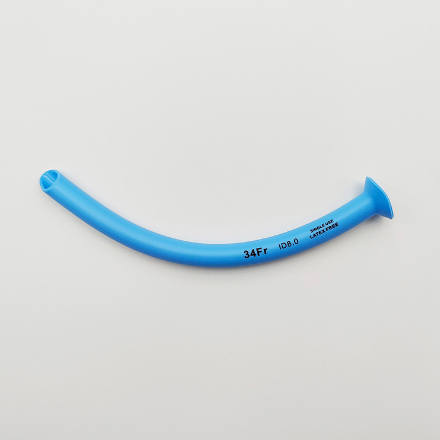
-
22 Jan 2025
You never know what will happen on the next second on the battlefield and injuries can happen at any time, especially airway blockages. To ensure quick and effective treatment in emergencies, military first aid kits are packed with specialized supplies. Today, Bever Medical will talk about the common items in these kits, how they are used, and the importance of devices like the Nasopharyngeal Airway (NPA) in saving lives. The Military First Aid Kit Designed to handle all kinds of battlefield emergencies, a military first aid kit is a soldier's lifeline. These kits cover injuries like wounds, bleeding, burns, and airway blockages. While the contents may vary by mission, here are the basics: 1. Bleeding Control Stopping bleeding is priority number one. Kits typically include tourniquets and hemostatic agents like QuikClot or Celox. Tourniquets are essential for stopping arterial bleeding in limbs, while hemostatic agents are used for internal injuries to clot blood fast. 2. Airway Management Injuries to the chest or neck can block airways. That's where tools like the Nasopharyngeal Airway (NPA) and oropharyngeal airway come in. These tools help keep airways open so the injured soldier can breathe properly. 3. Wound Care First aid kits always include bandages, sterile gauze pads, tape, antiseptic wipes, and burn ointment. These are the go-to tools for cleaning, dressing, and protecting wounds to prevent infection. 4. Eye Injury Protection Eye injuries are common during explosions or when shrapnel flies. Kits often include an eye shield, a small curved aluminum pad with padding, to protect the injured eye and reduce further damage. 5. Medications and Pain Relief You'll usually find acetaminophen or other painkillers to relieve pain, along with antibiotic ointments to prevent infections and speed up recovery. The Importance of Nasopharyngeal Airway (NPA) Airway blockages are a life-threatening issue in combat, caused by explosions, trauma, or fractures. The NPA is an essential tool to solve this problem, especially when traditional intubation isn't an option. 1. When to Use NPA The NPA is a go-to device when a soldier loses consciousness or has an airway blockage. By quickly restoring airflow, it helps keep oxygen flowing to the brain, giving the soldier a much better chance of survival. 2. How to Use NPA Using an NPA is simple. Choose the right size for the injured soldier, insert it gently into the nostril, and ensure the airway is clear. It's quick, effective, and minimizes discomfort. But don't be too rough—it's a nose, not a nail! 3. NPA Advantages Compared to other airway tools, the NPA is easy to carry, affordable, and reliable. It's not just for military use—it's great for disaster response, outdoor expeditions, or anywhere a first aid kit might be needed. Conclusion On the battlefield, every second counts. A well-equipped first aid kit and the right tools, like the Nasopharyngeal Airway (NPA), can make the difference between life and death. Nasopharyngeal airway products at BEVER Medical meet military standards, offering convenience and reliability when it matters most. Whether it's for combat medics or everyday emergencies, we've got you covered. Visit our website today to learn more about Bever Medical's NPAs and other life-saving products.
View More +
-
21 Jan 2025
Nasopharyngeal airways (NPA) are versatile airway devices used across various medical settings. In general anesthesia, NPAs play a critical role in ensuring proper airway management and patient safety. Let's dive into their applications and learn the wide application in general anesthesia. Choosing the Right NPA Picking the right NPA isn't a guessing game. It involves considering factors like the patient's age, weight, and airway anatomy. Here's a breakdown: Size and Length The NPA should cover the distance from the nostril to the oropharynx. Too long? Risk of over-insertion. Too short? No support. So, when choosing, must choose the right size and length according to the age and scenario. Material Silicone is soft and great for long-term use or sensitive patients. PVC is budget-friendly and ideal for single-use scenarios. Bever Medical offers both materials of NPA products and meet the medical grade. Special Designs Ventilated NPAs improve airflow, and some feature anti-kink designs—perfect for tricky surgical environments. Getting the size and design right is key to effectiveness and comfort. NPA in General Anesthesia NPAs are lifesavers during general anesthesia, and here's how they shine: NPA in Inhalation Anesthesia When it comes to inhalation anesthesia, a clear airway is non-negotiable. Nasopharyngeal airways help by: Keeping the Airway Open: They physically prevent the tongue from falling back and blocking the airway. Assisting Oxygen Delivery: Especially during induction, NPAs ensure efficient delivery of oxygen and anesthetic gases. Handling Special Cases: For patients with nasal obstruction, NPAs provide an alternative pathway for anesthesia delivery. Silicone NPA Nasopharyngeal Airway NPA in Intubated IV Anesthesia During IV anesthesia with intubation, NPAs are more than just a backup—they're game-changers: Ventilation Support: NPAs provide effective ventilation during the pre-intubation phase, especially in patients with complex airway anatomy. Preventing Airway Collapse: During induction, NPAs help keep the airway stable, making intubation smoother. But wait, there's more! Drug Delivery: NPAs can deliver local anesthetics or antibiotics directly where they're needed. Monitoring: Specialized NPAs with sensors can track airflow and breathing parameters during surgery. NPA in Non-Intubated IV Anesthesia In scenarios without intubation, NPAs are equally valuable: Short Surgeries: Perfect for outpatient or day surgeries where maintaining a clear airway is crucial. High-Risk Patients: For those with respiratory conditions or tricky anatomy, NPAs provide a safer airway solution. Post-Op Recovery: NPAs reduce the risk of breathing issues during wake-up. NPA for Special Patient Groups For Kids Kids'airways are narrower and more sensitive, making NPAs especially useful. Here are some tips: Use soft materials to minimize irritation. Don't insert too deeply to avoid nasal trauma. Monitor airway pressure to ensure proper ventilation. For Seniors Older patients often have fragile tissues and loose teeth, so handling with care is vital: Remove dentures or other obstructions. Insert gently to avoid nasal mucosa damage. Check NPA placement regularly to prevent dislodgement. For Trauma Patients In emergencies like facial or head injuries, NPAs are crucial. But caution is key: Avoid using NPAs if there’s nasal trauma or fractures. Insert through the unaffected nostril to minimize complications. Clear blood or secretions quickly to maintain airflow. PVC Nasopharyngeal Airway Tube Wrapping It Up Nasopharyngeal airways offer essential support in inhalation anesthesia, intubated IV anesthesia, and non-intubated IV anesthesia. By selecting the right NPA and mastering its use, healthcare professionals can improve airway management and patient safety significantly. For reliable, high-quality NPAs, look no further than Bever Medical. Whether you're a pro anesthetist or an emergency responder, their products have you—and your patients—covered.
View More +
-
20 Jan 2025
When natural breathing isn't enough, artificial ventilation becomes a lifesaver. For patients who can't breathe on their own, the right ventilation techniques can drastically improve survival rates and recovery outcomes. Let's dive into some essential artificial ventilation methods with Bever Medical. Natural vs. Artificial Ventilation Natural Ventilation This relies on the patient's own breathing, driven by the diaphragm and intercostal muscles to exchange gases. It's how the body is designed to function. Artificial Ventilation Here, external forces assist or fully take over breathing. Methods include positive pressure ventilation (e.g., bag-valve mask) or negative pressure ventilation (like the historic iron lung). Artificial ventilation quickly restores oxygen exchange when natural breathing is impaired or stops. It requires skilled operators, as improper use can lead to airway damage or over-ventilation. Managing Airway Obstructions Airway obstruction, especially common in children and older adults, can block airflow. Recognizing and clearing these blockages is critical in emergencies. Common Signs Inability to speak or severe coughing. Cyanosis (blue lips or skin) or sudden loss of consciousness. Solutions Back Blows and Abdominal Thrusts (Heimlich Maneuver): Quickly dislodge objects for conscious patients. Tools to the Rescue: Suction devices or laryngoscopes can remove stubborn obstructions. Nasal Pharyngeal Airway (NPA): Particularly useful for partial blockages or soft tissue collapse caused by the obstruction. Airway Management Techniques Artificial ventilation starts with effective airway management. Here are some proven techniques Head Positioning Head Tilt-Chin Lift: A go-to for most cases to open the airway. Jaw Thrust: Ideal for patients with potential neck injuries—it avoids moving the cervical spine. Equipment Help Nasal Pharyngeal Airway (NPA): Easy to insert and great for patients with clenched teeth. Oral Pharyngeal Airway (OPA): Perfect for unconscious patients, keeping the tongue from blocking the airway. Airway Devices The Nasopharyngeal Airway (NPA) is a simple device, BEVER Medical uses premium PVC or silicone that's soft and durable. When to Use Ideal for patients with clenched jaws but with some natural breathing. Works well with suction devices to clear airway secretions. Pro Tip: Always apply lubricant before insertion to minimize discomfort or injury. Oral Pharyngeal Airway (OPA) Best For: Unconscious patients to prevent the tongue from obstructing the airway. How To Use: Choose the right size and insert following its curve to avoid injuring the mouth. Laryngeal Mask Airway (LMA) Great For: Short procedures under anesthesia or challenging airways. Advantages: Easy to insert and avoids complications tied to intubation. Bag-Valve Mask Ventilation (BMV) BMV is one of the most common artificial ventilation techniques, widely used in emergencies and surgeries. Steps to Perform: 1. Select a mask that fits snugly on the patient's face. 2. Connect the bag and manually compress to deliver positive pressure ventilation. 3. Pair it with an NPA or OPA for a clear airway. Key Tips Avoid over-ventilation to prevent stomach inflation or lung damage. Watch the chest rise to ensure proper ventilation. Wrapping Up From supporting natural breathing to advanced equipment, artificial ventilation techniques cater to different needs. Simple tools like the nasopharyngeal airway (NPA) are versatile and effective. Whether it's for anesthesia in a hospital or an emergency in the field, BEVER Medical's high-quality NPAs empower medical professionals to address airway challenges quickly and improve patient outcomes. To learn more, please visit our website for product details!
View More +