

 Deutsch
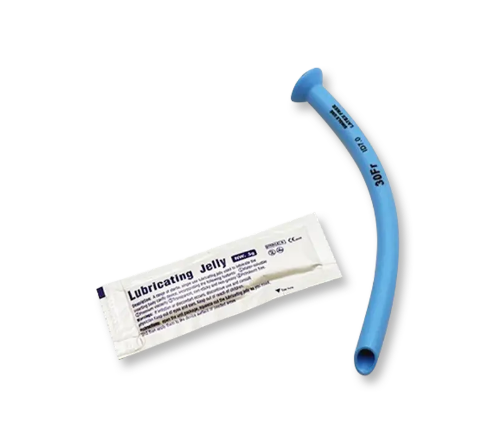
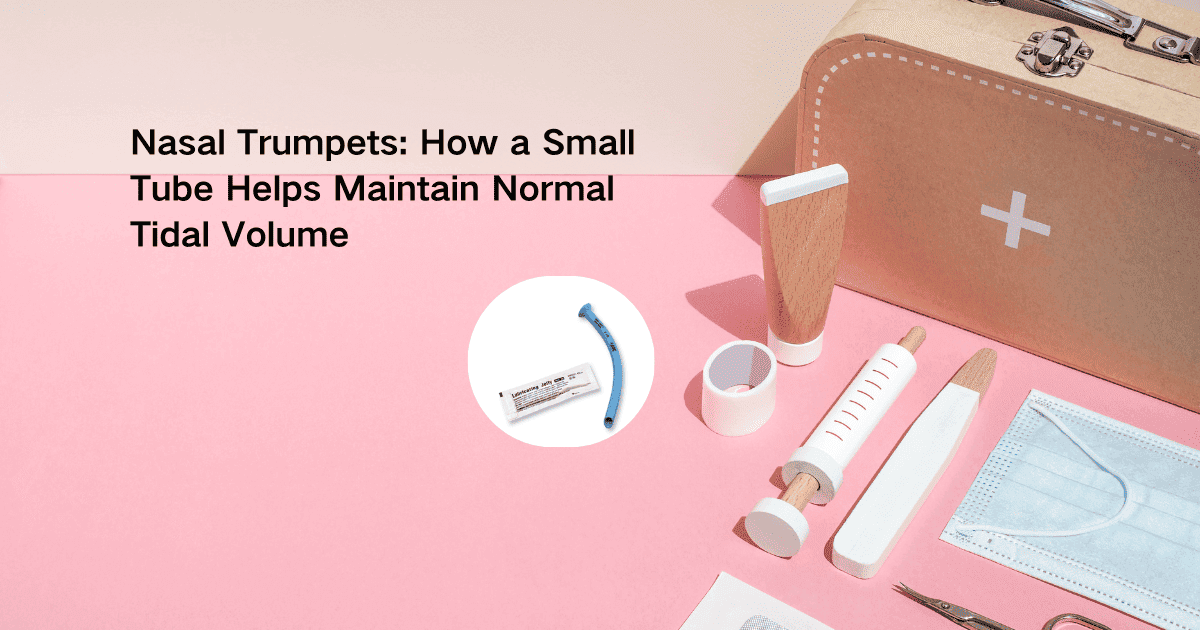
A nasopharyngeal airway is also known as a nasal trumpet or nasopharyngeal trumpet. This tool is powerful in emergency medicine, though it looks small and soft. NPAs play a great role in helping patients breathe smoothly and maintain normal tidal volume, even in challenging situations. In this article, we'll discuss how the nasal airway helps maintain healthy breathing patterns. What Is a Nasal Trumpet? In medical terms, we call it a nasopharyngeal airway. The flared end looks like a tiny trumpet, where it gets its nickname. A nasal trumpet is basically a soft, flexible tube—usually made of rubber or silicone, which you can find these devices made of materials you mentioned at Bever Medical. Usage of them is gently sliding through the nose down to the back of the throat. Before using, ensure your patients can open their mouths. Besides, you should get to know the following suitable usage situations: Is semi-conscious or unconscious Can't open their mouth because of trauma Has dental work or injuries that make oral devices tricky In short, it's a simple tool that keeps the airway open and makes sure air can flow freely into the lungs. What Is Tidal Volume? Before we go further, it's important to know the definition of tidal volume. Tidal volume (TV) refers to the amount of air inhaled or exhaled in a single breath during normal, relaxed breathing. In healthy adults, normal tidal volume is typically about 400–600 mL per breath, or roughly 7 mL per kilogram of body weight. It's crucial to keep proper tidal volume because it ensures enough oxygen reaches the lungs and, consequently, the bloodstream. When tidal volume drops, oxygen delivery to vital organs can be compromised, which is dangerous in any emergency situation. How Nasopharyngeal Airways Help Maintain Normal Tidal Volume Sometimes, the body's natural airway can become partially blocked. This is especially common when someone is unconscious, and the tongue falls back toward the throat. Even if the chest and diaphragm are working normally, airflow can be restricted, which reduces tidal volume. This is where a nasopharyngeal airway or nasal trumpet becomes essential. By gently bypassing the tongue and soft tissues, the device allows air to flow freely to the lungs. With an open airway, the patient can breathe with normal tidal volume, ensuring adequate oxygenation. In other words: A nasal trumpet does not “push” more air into the lungs—it simply clears the path, allowing the patient's natural breathing to achieve a normal tidal volume. Why the Army Relies on NPAs Military medics are trained to deal with emergencies where airway obstruction is common. In battlefield conditions, soldiers may be: Unconscious Suffering facial trauma Wearing helmets or gear that complicates oral airway insertion In such cases, a nasopharyngeal airway army version is included in first-aid kits because it: Can be inserted quickly Works even when the mouth is inaccessible Minimizes gag reflex Helps maintain normal tidal volume immediately Consider a scenario: a soldier is knocked unconscious during training, and his tongue partially blocks his airway. Without intervention, his tidal volume drops, oxygenation decreases, and he risks severe complications. In seconds, a medic inserts a nasal trumpet, restoring airflow and normal tidal volume, stabilizing him until further care arrives. Everyday and Clinical Uses While nasal trumpets are well-known in military settings, they are also widely used in civilian medical practice: Emergency rooms: For unconscious patients who are breathing but at risk of airway obstruction Ambulances: To ensure safe transport of trauma patients Sleep medicine: Sometimes used to relieve mild airway obstruction in patients with sleep apnea Dental procedures: When sedation is involved and mouth opening is limited In each of these situations, the key benefit remains: keeping the airway open and ensuring adequate tidal volume. Safe Use Guidelines To use a nasal trumpet safely: Choose the correct size: Too small may be ineffective; too large can cause trauma. Lubricate well: Prevents nasal tissue damage and eases insertion. Insert gently: Always follow the curve of the nasal passage. Avoid contraindicated cases: Do not use if there's a suspected basal skull fracture. Monitor breathing: Check that tidal volume and oxygen saturation remain adequate. Remember, improper insertion can cause nasal bleeding or, in rare cases, worsen airway obstruction. Training and practice are essential. Signs a Nasal Trumpet Is Working Once inserted correctly, you should observe: Smooth, unobstructed breathing Normal rise and fall of the chest Adequate tidal volume, meaning the person takes full breaths without visible struggle Reduced snoring or gurgling sounds caused by airway obstruction These signs indicate that the device is helping maintain normal tidal volume effectively. Conclusion From battlefield medics to emergency rooms, nasopharyngeal airways ensure patients to breathe effectively, keeping their tidal volume stays within the normal range. After knowing how these devices work, both medical professionals and curious patients can appreciate the importance of airway management, even in the smallest forms. If you're looking for high-quality nasal trumpets for professional or emergency use, welcome to explore our full range of airway products, medical-gradd material guarantee, reliability, and ease of use. Equip your medical kit today and be prepared for any situation.
View More +-
08 Oct 2025
-
07 Oct 2025
Introduction Effective airway management is essential in emergency, anesthesia, and critical care. A Nasopharyngeal Airway (NPA) is a soft, flexible tube inserted through the nose to maintain a patent airway. Unlike oropharyngeal airways, NPAs are better tolerated by conscious or semi-conscious patients, making them ideal in pre-hospital and hospital settings. Indications and Contraindications Indications NPA is indicated when: Upper airway obstruction occurs due to tongue or soft palate collapse OPA is not tolerated due to gag reflex Mouth opening is limited (trauma, trismus, fixation) Temporary airway maintenance is needed before intubation Continuous suctioning or oxygen delivery via nasal passage is required Contraindications Avoid NPA in: Suspected basilar skull fracture or CSF leak Severe facial or nasal trauma Coagulopathy or bleeding disorders Nasal obstruction, polyps, or infection Inserting an NPA in patients with skull fractures can risk intracranial placement. Preparation and Equipment Essential Equipment Sterile NPAs (various sizes) Water-based lubricant or lidocaine gel Suction apparatus and catheters PPE (gloves, mask, goggles) Monitoring equipment (pulse oximeter, ECG, capnography) Tape or fixation device Choosing the Correct Size Length: Nostril to earlobe or jaw angle Diameter: Slightly smaller than nostril opening If uncertain, start with a smaller size to avoid trauma Step-by-Step Insertion Technique Hand hygiene and protective gear Inspect nostrils, select the more patent side Lubricate the NPA generously Position patient (neutral or sniffing, avoid neck extension if spinal injury suspected) Insert gently along the nasal floor, bevel facing septum If resistance occurs, withdraw and try the opposite nostril Confirm placement: airflow, chest rise, breath sounds, oxygen saturation Secure with tape or fixation strap Document size, side, time, and patient tolerance Monitoring and Ongoing Care Assess airway patency, breathing pattern, and oxygenation Check for bleeding, blockage, or displacement Suction secretions as needed Maintain hygiene and replace NPAs if prolonged use Potential Complications Epistaxis: prevent with lubrication and gentle insertion Nasal tissue injury: avoid force, alternate nostrils Tube blockage: regular suctioning Dislodgement: secure properly Sinus infection: replace periodically Vagal stimulation: monitor depth, adjust as needed Intracranial insertion: avoid in skull fracture patients Most complications are minor and preventable with proper technique and monitoring. Removal and Follow-Up Remove when: Patient regains airway reflexes Active bleeding, discomfort, or infection occurs NPA is damaged or no longer needed Removal steps: Explain to patient if conscious Gently withdraw while supporting nostril Observe for bleeding or respiratory distress Document removal and patient status BEVER Medical Nasopharyngeal Airways BEVER Medical NPAs are designed for safe, gentle, and reliable airway management. Made from medical-grade PVC or silicone Multiple sizes for adult, pediatric, and elderly patients ISO 13485, CE, FDA-certified OEM customization available BEVER Medical NPAs support healthcare professionals in maintaining safe, effective airway access, ensuring every breath counts. Conclusion The Nasopharyngeal Airway is a simple yet essential tool for maintaining airway patency in semi-conscious or compromised patients. Proper size selection, gentle insertion, and ongoing monitoring are key to safe and effective use.
View More +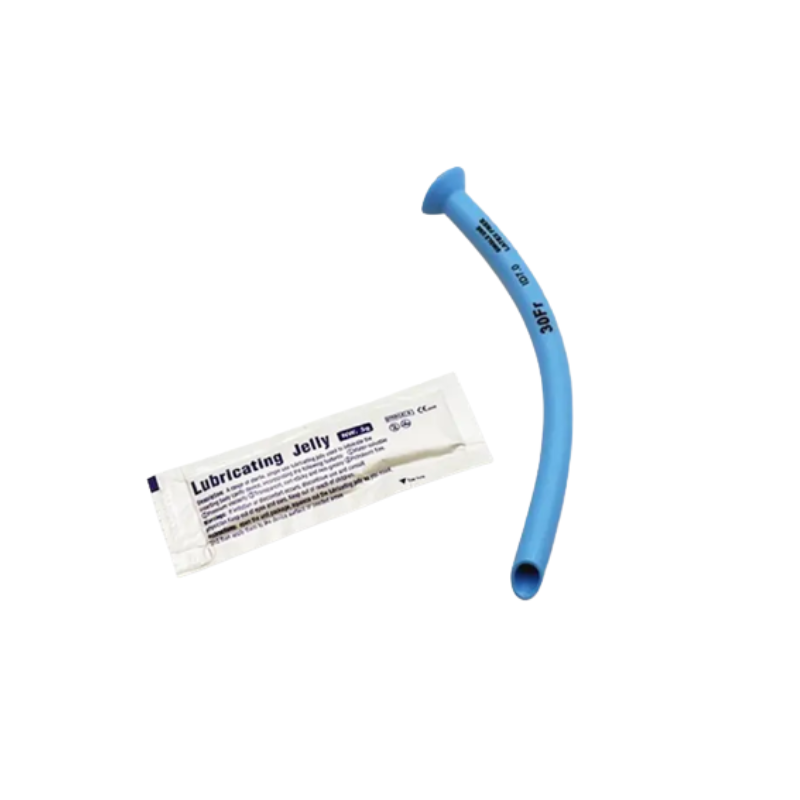
-
23 Sep 2025
It's a challenge to care for children when they need a nasopharyngeal airway (NPA) insertion. Kids always resist anything that looks scary, and a small tube going into their nose can easily turn into tears and panic. However, with the right approach, you can turn this procedure from a “forced operation” into a smooth, cooperative process. In this blog, we'll walk you through a 5-step method that blends communication and technique to make NPA insertion less stressful for everyone. Why Children Resist Nasopharyngeal Airway Insertion Before diving into the steps, let's talk about why kids often push back: Nasal discomfort: The nose is sensitive, and even a gentle touch can feel painful. Fear of strange tools: A clear plastic tube looks like a “scary medical gadget” to a child. No clear purpose: Kids don't understand why you're doing it, which makes them nervous. Knowing these triggers helps you prepare the right responses. Instead of battling against resistance, you can guide the child toward cooperation. Step 1: Pre-Procedure Talk with Child-Friendly Language The first step is simple—explain before you act. Children feel calmer when they know what's coming. Here are some tricks that work: Use a “toy tube” demo: Show the nasopharyngeal airway on a doll or even let the child hold it. Say, “See? This little straw helps your nose breathe better.” Simple words, no jargon: Instead of “nasopharyngeal airway insertion,” you could say, “We're giving your nose a small tunnel so you can breathe easier.” Positive tone: Present the tube as a helper, not a punishment. When children see the device as a “breathing helper,” they're more likely to accept it calmly. Step 2: Use Safe Pain Relief Options Even with good communication, nasal discomfort is real. For children under 3 years old, applying 2% lidocaine gel on the nasal mucosa can help reduce pain during insertion. It's quick, safe, and avoids the shock of pushing in a dry tube. This step prevents the procedure from feeling like a “hard push.” Instead, it becomes a smoother, almost painless process. Pro Tip: BEVER Medical offers NPAs with a rounded, beveled tip and smooth edges, which already reduce irritation. You can explore our full airway management products for safe and child-friendly options. Step 3: Positioning Matters Traditionally, children are laid down flat during NPA insertion. But this often makes them feel trapped. A better option is to let the parent hold the child in a side-lying sitting position. Why it works: Less pressure on the child's body. More comfort because they feel secure in the parents'arms. Easier for you to reach the nasal passage without struggling. This small adjustment creates a huge difference in how cooperative the child will be. Step 4: Quick and Gentle Insertion Technique Speed and accuracy are everything here. The actual insertion should take no more than 3 seconds. The method is: Two-person teamwork: One person gently supports and stabilizes the child's head, while the other inserts the tube. Quick, precise, gentle: Insert in one smooth motion—no hesitation. Size check first: Always use the NPA size that matches the child's anatomy (look for ID marks on the flange). Bever Medical's disposable NPAs come in a variety of sizes, all clearly marked, making it easier to pick the right one. The round flange ensures it stays in place once inserted. Step 5: Comfort and Reward After the Procedure Children remember feelings. If the procedure ends with stress, they'll resist future care even more. But if you turn it into a positive memory, they'll relax next time. Here are ways to make it better: Give a toy, sticker, or small snack immediately afterward. Offer praise like, “You did amazing! You're so strong.” Reassure them that the tube is helping them breathe, not hurting them. These simple gestures lower anxiety and build trust for future medical care. Choosing the Right Nasopharyngeal Airway for Children Not all NPAs are the same. At Bever Medical, we ensure these devices with safe and comfortable first: Product Type Key Features Child-Friendly Benefit NPA without Lubricant Rounded beveled tip, round flange, sterile, latex-free Smooth, safe insertion, secure placement NPA with Lubricant Comes with an attached surgical jelly pack Easier insertion, less nasal irritation Adjustable NPA Silicone material, movable disc, ergonomic Soft, biocompatible, reduces trauma, adjustable fit When you're working with children, choosing an airway that minimizes discomfort is just as important as the technique itself. FAQs on Children's Nasopharyngeal Airway Insertion Q1: Is a nasopharyngeal airway safe for children?Yes. When used correctly, NPAs are safe and effective for children who need airway support. Choosing the right size and inserting gently are key. Q2: How do I choose the right NPA size for my child patient?Look for the ID markings on the flange. The correct size usually matches the distance from the nose to the earlobe. Bever Medical NPA comes in multiple sizes for precise fitting. Q3: Does NPA insertion hurt children?It may feel uncomfortable, but using lidocaine gel, smooth-tipped NPAs, and quick insertion techniques greatly reduces pain. Q4: Can NPA be reused for children?No. Disposable NPAs should only be used once to avoid contamination and infection risk. Bever Medical NPAs are sterile and individually packaged. Q5: How can I calm a child before NPA insertion?Show them the device like a toy, use simple language, let them stay in a parent's arms, and reward them after the procedure. Final Thoughts Through the 5-step method mentioned above—talk, pain relief, positioning, quick insertion, and reward—you can turn a stressful procedure into a calm, cooperative moment. BEVER Medical is here to support you with safe, well-designed nasopharyngeal airway devices that put both safety and comfort first. Any interests, welcome to check out our full range of airway management products to find the right fit for your patients.
View More +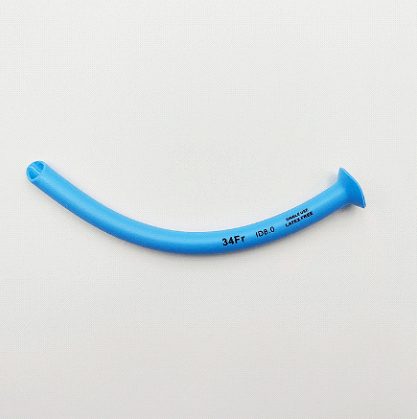
-
11 Sep 2025
Knowing the importance of medical products, BEVER Medical has been making reliable medical devices since 2008. With a 100,000-class cleanroom and advanced production equipment, we put safety and quality first in every product. When it comes to nasopharyngeal airways (NPAs), BEVER Medical offers designs that are easy to use, patient-friendly, and trusted by healthcare professionals worldwide. If it's the first time for you using NPAs, think of them as a soft, flexible tube inserted through the nose to help keep the airway open. They're often used in emergencies, during anesthesia, or for patients who need airway support but can't tolerate an oropharyngeal airway. In this article, we will share with you the top 3 NPAs What Is a Nasopharyngeal Airway? A nasopharyngeal airway is a simple but lifesaving device. It's made from medical-grade materials and is designed to create a clear channel for airflow through the nasal passage. Unlike rigid devices, NPAs are more comfortable for patients, especially those with a gag reflex. Explore all nasopharyngeal airway options here. NPAs are widely used in: Emergency medical care Military field use Pre-hospital and hospital settings Patient transport Army Nasopharyngeal Airway The army nasopharyngeal airway is designed for tough environments, especially military and pre-hospital emergency care. Built for reliability, this device ensures patients can breathe even in the most demanding situations. Check out our Army Nasopharyngeal Airway here. Key Features: Flexible PVC construction for comfort and durability. Beveled tip for smooth insertion. Available in multiple sizes to fit different patients. Widely included in military first aid kits. If you're handling field emergencies, you know time matters. The Army NPA is simple, effective, and trusted by medics around the world. Pro tip: Always choose the right size to avoid trauma and ensure proper airflow. Pre-Lubricated Nasal Airway Sometimes you need speed and efficiency. The pre-lubricated nasal airway makes insertion easier by including a sealed packet of lubricant, so you don't have to reach for extra supplies. View Pre-Lubricated Nasal Airway details here. Key Benefits: Comes with an attached lubricant packet for fast application. Designed to stay secure, even during rough patient transport. Compatible with human anatomy, reducing discomfort. Recommended for semi-conscious or unconscious patients with a gag reflex. Sizes available from 14Fr to 38Fr. If you're a first responder or emergency care provider, this product saves you valuable seconds and gives you peace of mind. PVC Adjustable Nasopharyngeal Airway For patients who need longer or repeated airway support, the PVC adjustable nasopharyngeal airway is a game-changer. It combines comfort with customization. See the Adjustable PVC Nasopharyngeal Airway here. Why It Stands Out: Adjustable fit: A movable disc helps you position it perfectly for different patients. Reduced trauma: Rounded, enlarged tip minimizes injury risk. Ergonomic design: Smooth insertion and removal. Safe material: Made from medical-grade silicone, latex-free, and biocompatible. This airway is especially useful for hospitals and clinics where patient comfort and repeated use are priorities. Top 3 NPAs Comparing Chart Here's a quick look at how these three airways compare: Feature Army NPA Pre-Lubricated NPA Adjustable PVC NPA Best Use Military/field Emergency/transport Clinical/long-term Lubrication Requires jelly Comes with packet Needs jelly Comfort Standard High Very high Sizes Multiple 14Fr–38Fr Multiple Why BEVER Medical NPAs Are Trusted Worldwide At Bever Medical, we know that when you're providing care, you need devices you can trust. That's why we: Use medical-grade materials only. Maintain strict ISO standards. Focus on both patient comfort and caregiver convenience. Whether you're in the field, in the ER, or at the bedside, our nasopharyngeal airways deliver dependable performance. FAQs About Nasopharyngeal Airways What is the difference between Army and Pre-Lubricated Nasopharyngeal Airways?The Army version is rugged and built for field use, while the Pre-Lubricated version comes with a ready-to-use lubricant packet for quicker application. Is a PVC Adjustable Nasopharyngeal Airway better for long-term use?Yes, its adjustable disc and smooth tip make it more comfortable for repeated or prolonged use. Can nasopharyngeal airways be used on conscious patients?Yes, especially in semi-conscious patients with an intact gag reflex, NPAs are often better tolerated than oropharyngeal airways. What sizes of nasopharyngeal airways should I keep on hand?It's best to stock multiple sizes (14Fr to 38Fr) to accommodate different patient anatomies. Why should I choose Bever Medical for airway products?We combine advanced manufacturing, ISO-certified facilities, and a focus on patient comfort to bring you reliable, high-quality devices. Bever Medical provides nasopharyngeal airway solutions for individuals, medical structures, field hospitals, etc. If you're looking for devices designed for safety, comfort, and ease of use, we can be in your consideration. Wherever you provide care, we're here to support you with dependable airway management products.
View More +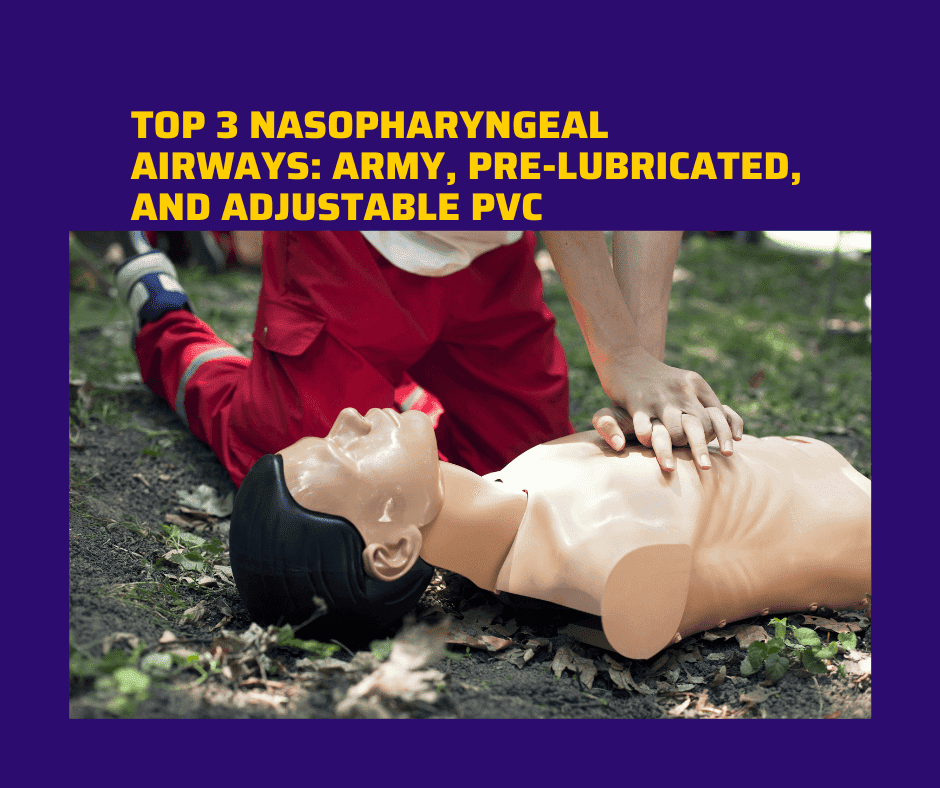
-
04 Sep 2025
In airway management, nasopharyngeal airways (NPAs) are indispensable tools used by paramedics, anesthesiologists, and intensive care providers to keep the upper airway patent. While their function is universal—to bypass soft tissue obstruction in the pharynx—the material from which they are manufactured plays a major role in clinical performance. Today, most NPAs are made of either polyvinyl chloride (PVC) or medical-grade silicone. Each material offers unique advantages, and understanding these differences helps clinicians and procurement teams make informed decisions. This article compares PVC and silicone NPAs, focusing on patient comfort, safety, durability, and healthcare economics. PVC Nasopharyngeal Airways Characteristics PVC is a widely used thermoplastic material in medical devices due to its affordability, versatility, and structural reliability. NPAs made from PVC are typically semi-rigid yet flexible enough to follow the nasal passage during insertion. Advantages Cost-Effective: PVC Nasopharyngeal Airways NPAs are less expensive to produce, making them attractive for hospitals with high patient turnover or limited budgets. Shape Retention: The semi-rigid structure holds its form during insertion, aiding accuracy and reducing the risk of kinking. Pre-Lubrication Options: Many PVC Nasopharyngeal Airways NPAs are available in pre-lubricated variants, which streamline emergency use. Limitations Stiffness: Some patients may experience more discomfort during insertion compared to softer materials. Temperature Sensitivity: PVC can become less flexible in cold environments, a potential issue in prehospital or military settings. Latex-Like Feel: Though PVC Nasopharyngeal Airways NPAs are generally latex-free, their rigidity can occasionally be mistaken for older latex-based devices. Silicone Nasopharyngeal Airways Characteristics Medical-grade silicone is known for its softness, biocompatibility, and long-term resilience. In airway devices, silicone provides a smooth surface that adapts more comfortably to patient anatomy. Advantages Enhanced Comfort: The softness of silicone minimizes mucosal trauma, reducing the risk of epistaxis. Biocompatibility: Silicone is hypoallergenic and latex-free, suitable for patients with material sensitivities. Adjustable Designs: Many Silicone Nasopharyngeal Airways NPAs incorporate sliding flanges or adjustable plates, allowing secure fixation and preventing over-insertion. Durability: Resistant to temperature fluctuations, silicone NPAs maintain performance in diverse environments. Limitations Higher Cost: Silicone NPAs are generally more expensive, which may impact procurement budgets in high-volume facilities. Softer Structure: While comfortable, very soft devices may be prone to bending or folding during insertion if not handled properly. Clinical Scenarios: Which to Choose? Emergency and Prehospital Care: PVC NPAs are advantageous due to their rigidity, affordability, and pre-lubricated options. Paramedics often benefit from their readiness and shape retention in fast-paced scenarios. Operating Rooms and ICUs: Silicone NPAs are preferred for patients requiring extended use, such as during prolonged sedation, because of their superior comfort and lower risk of nasal trauma. Pediatric Patients: Silicone NPAs are often chosen for children due to the delicate nature of pediatric nasal passages and reduced incidence of bleeding. Military and Harsh Environments: Silicone's temperature resilience makes it suitable in extreme climates, whereas PVC may stiffen or become brittle. Economic and Regulatory Considerations From a hospital management perspective, both cost and compliance influence material choice: PVC NPAs are ideal for single-use, disposable applications, especially in high-volume emergency departments. Silicone NPAs, though more expensive, may be justified in settings where patient comfort, safety, or repeat suctioning is prioritized. Manufacturers like BEVER Medical ensure both PVC and silicone NPAs meet ISO 13485, CE MDR, and FDA standards, offering healthcare institutions confidence in quality and safety. Additionally, options for OEM customization—such as multilingual packaging, private labeling, and diverse size ranges—provide flexibility for distributors and hospitals worldwide. Conclusion Both PVC and silicone NPAs serve the same lifesaving purpose, yet their material differences influence clinical outcomes and patient experiences. PVC devices stand out in cost-efficiency and emergency readiness, while silicone devices excel in patient comfort, durability, and specialized use cases. Ultimately, the best choice depends on the clinical setting, patient population, and institutional priorities. Hospitals and emergency teams may even stock both types to cover the full spectrum of scenarios. By understanding these differences, healthcare providers can ensure safer, more effective airway management—and manufacturers like BEVER Medical continue to innovate to meet these diverse needs.
View More +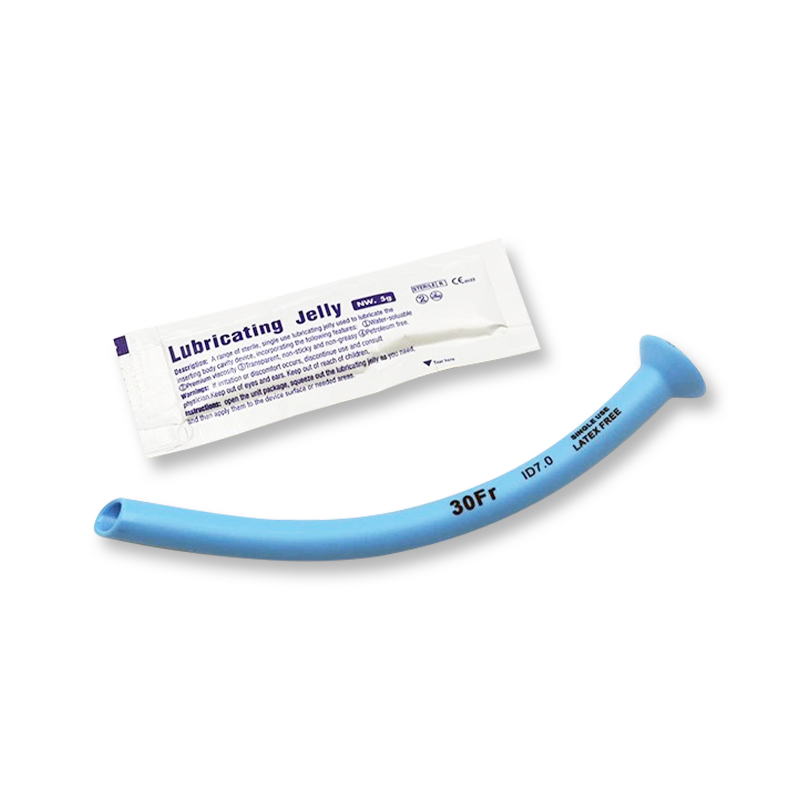
-
02 Sep 2025
More than 30 million people in the United States are suffering from sleep apnea, and its prevalence is expected to rise sharply in the coming decades. Research published in The Lancet Respiratory Medicine projects that by 2050, nearly 77 million U.S. adults will be affected, a 35% increase from 2020, with women showing a particularly steep rise. These people find it difficult to maintain proper airway patency during sleep, and while CPAP remains the gold standard treatment, nasopharyngeal airways offer a valuable alternative or supplementary option for specific situations. Source:https://newsroom.resmed.com/ For the material of nasal trumpets, there are two options for hospital providers to consider- PVC and silicone. So, when it comes to selection for your patients, the right material can make a great difference to them. In this article, we share the differences between PVC and silicone to help healthcare providers better match the device to each sleep apnea patient's specific needs. PVC Nasal Trumpets PVC (polyvinyl chloride) nasal trumpets dominate emergency settings due to their balance of functionality and affordability. These devices typically cost $2-5 per unit, making them practical for single-use applications. Advantages of PVC Models Superior Rigidity for Insertion: PVC nasopharyngeal airways maintain their shape during insertion, even through challenging anatomy. This characteristic proves particularly valuable for first responders working in uncontrolled environments. A military medic stationed in Afghanistan reported, "The firm structure of PVC trumpets allowed for reliable placement even when working in low-light combat situations with patients experiencing significant upper airway edema." Effective Short-Term Use: For temporary management of sleep apnea in hospital settings, PVC models deliver reliable performance. In a 2021 study of 143 post-surgical patients with sleep apnea, PVC nasal trumpets maintained oxygen saturation above 92% in 89% of cases during the first 24 hours of recovery. Disposable Design: Single-use PVC devices eliminate cross-contamination risks, an essential consideration in multi-patient environments. Each unit comes individually packaged with surgical lubricant, allowing for immediate deployment in emergency situations. Limitations to Consider While effective, PVC nasal trumpets present challenges for longer-term sleep apnea management. The relative firmness that aids insertion can cause mucosal irritation within 48-72 hours of continuous use. Additionally, some patients report discomfort as the material warms to body temperature but doesn't fully conform to individual anatomy. Silicone Nasal Trumpets For sleep apnea patients requiring longer-term nasopharyngeal support, medical-grade silicone offers distinct advantages that justify its higher price point ($15-25 per unit). Why Silicone Excels for Continuous Use Biocompatibility and Comfort: Silicone's hypoallergenic properties make it ideal for patients with sensitive mucosa or latex allergies. Superior Conformability: The thermoplastic properties of silicone allow these devices to conform to individual anatomy when warmed to body temperature gently. This adaptive quality reduces pressure points and improves patient tolerance. In a comparative comfort study, 78% of patients preferred silicone models when asked to rate comfort after 72 hours of use. Adjustable Positioning: Many premium silicone models feature movable flanges or discs that enable precise positioning based on individual patient anatomy. This adjustability proves especially valuable for sleep apnea patients with atypical nasopharyngeal dimensions or those who change sleeping positions frequently. Reduced Trauma During Long-Term Use: The smooth, rounded tip characteristic of quality silicone trumpets minimizes mucosal damage during extended wear. A 2022 retrospective analysis of 87 long-term users showed a 62% lower incidence of nasal bleeding and irritation compared to PVC alternatives. Proper Sizing: The Often-Overlooked Factor in Nasal Trumpet Selection Regardless of material choice, proper sizing dramatically impacts both comfort and effectiveness. A correctly sized nasopharyngeal airway should: Extend from the nostril to the pharynx (typically 14Fr-38Fr) Allow adequate air passage without excessive pressure Feature a flange that prevents over-insertion For accurate sizing, measure from the tip of the nose to the tragus (the small cartilage projection in front of the ear). This measurement correlates closely with the required length. Most adult sleep apnea patients require sizes between 28Fr and 36Fr, though individual anatomy varies significantly. Insertion Tips to Maximize Comfort and Effectiveness Proper insertion technique reduces trauma and improves patient acceptance: Apply the included surgical lubricant generously to the device Insert along the floor of the nasal passage (not upward) Advance with gentle rotation if resistance is encountered Confirm proper placement by verifying air movement and patient comfort Military medics often employ a progressive sizing technique in field situations, starting with a smaller size and advancing to larger diameters as tolerated. This approach minimizes trauma while ensuring adequate airflow. Special Considerations for Sleep Apnea Patients Sleep apnea presents unique challenges that influence nasal trumpet selection: Position-Dependent Obstruction: Many sleep apnea patients experience position-dependent airway collapse. Silicone trumpets with adjustable flanges allow for repositioning without complete removal and reinsertion. Extended Usage Requirements: For patients using these devices nightly, the superior comfort profile of silicone justifies the higher initial investment. As one sleep apnea patient noted, "After switching to silicone, I could finally sleep through the night without waking from nasal discomfort." Anatomical Variations: Sleep apnea frequently correlates with specific anatomical variations. Devices featuring rounded, beveled tips navigate these variations more effectively, particularly when manufactured from flexible silicone. Which is Better for Sleep Apnea? When selecting between PVC and silicone nasal trumpets for sleep apnea management, consider: Duration of use: PVC for short-term (<48 hours); silicone for extended use Patient comfort tolerance: Silicone offers superior comfort for sensitive patients Cost considerations: Balance unit cost against replacement frequency and patient acceptance Setting of use: Clinical environments may prioritize disposability, while home use emphasizes comfort Individual anatomy: Patients with challenging anatomy benefit from silicone's conformability Conlcusion Through this article, you can know which one is suitable for your patients. Except for the material selection, clinicians should evaluate each patient's specific needs, considering anatomical variations, comfort requirements, and usage duration. By knowing these key differences, clinicians can optimize both patient comfort and therapeutic outcomes. If you are looking for these safe and quality medical devices, welcome to shop premium nasopharyngeal airways in both PVC and medical-grade silicone at Bever Medical, with FDA-approved and CE-certified. To ensure safe insertion and patient comfort, our devices feature anatomically optimized designs with rounded and beveled tips. Additionally, want to know more about material selection? Please contact our medical device specialists today and know your requirements. Explore how our OEM services can support your facility.
View More +